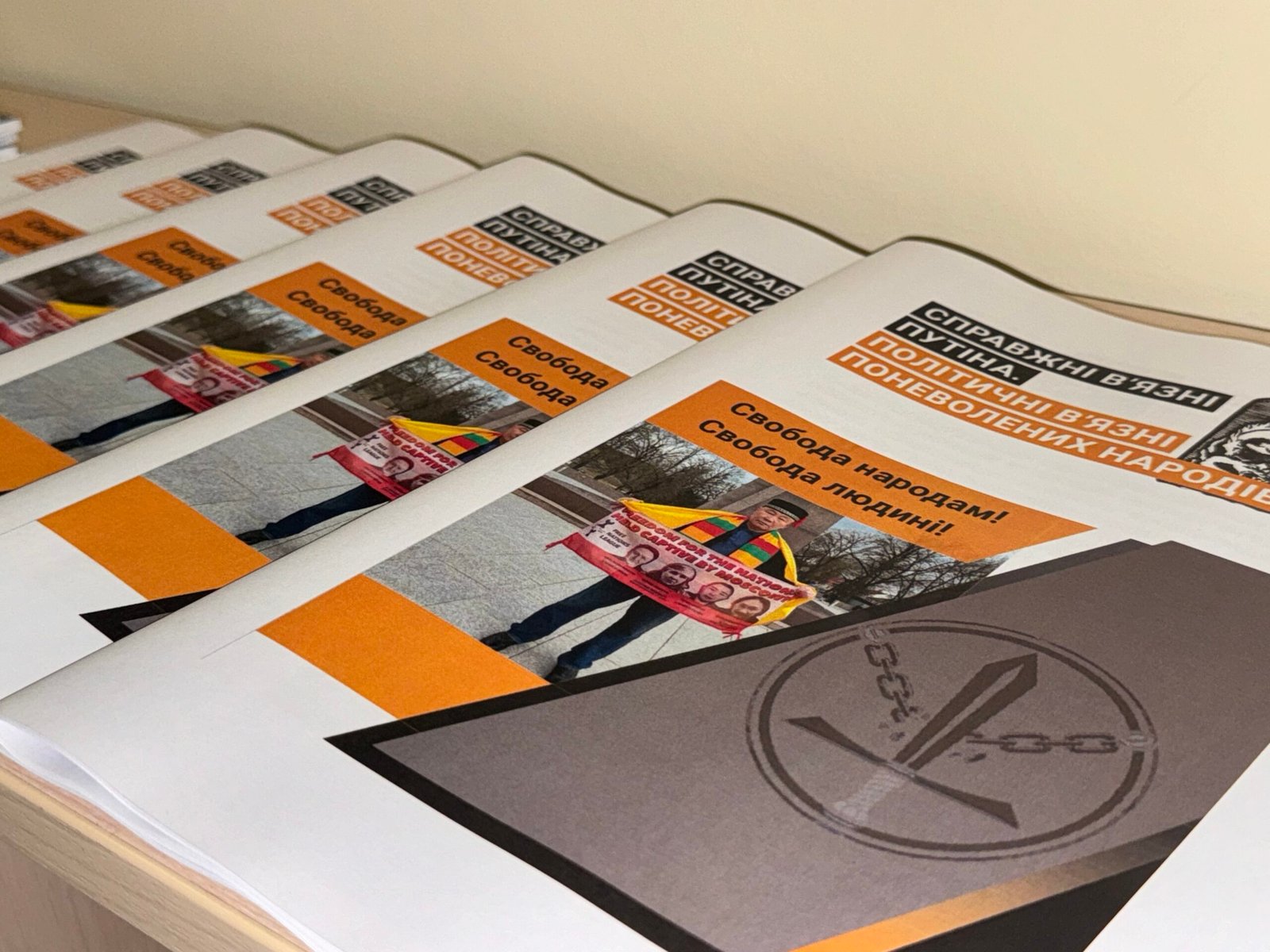
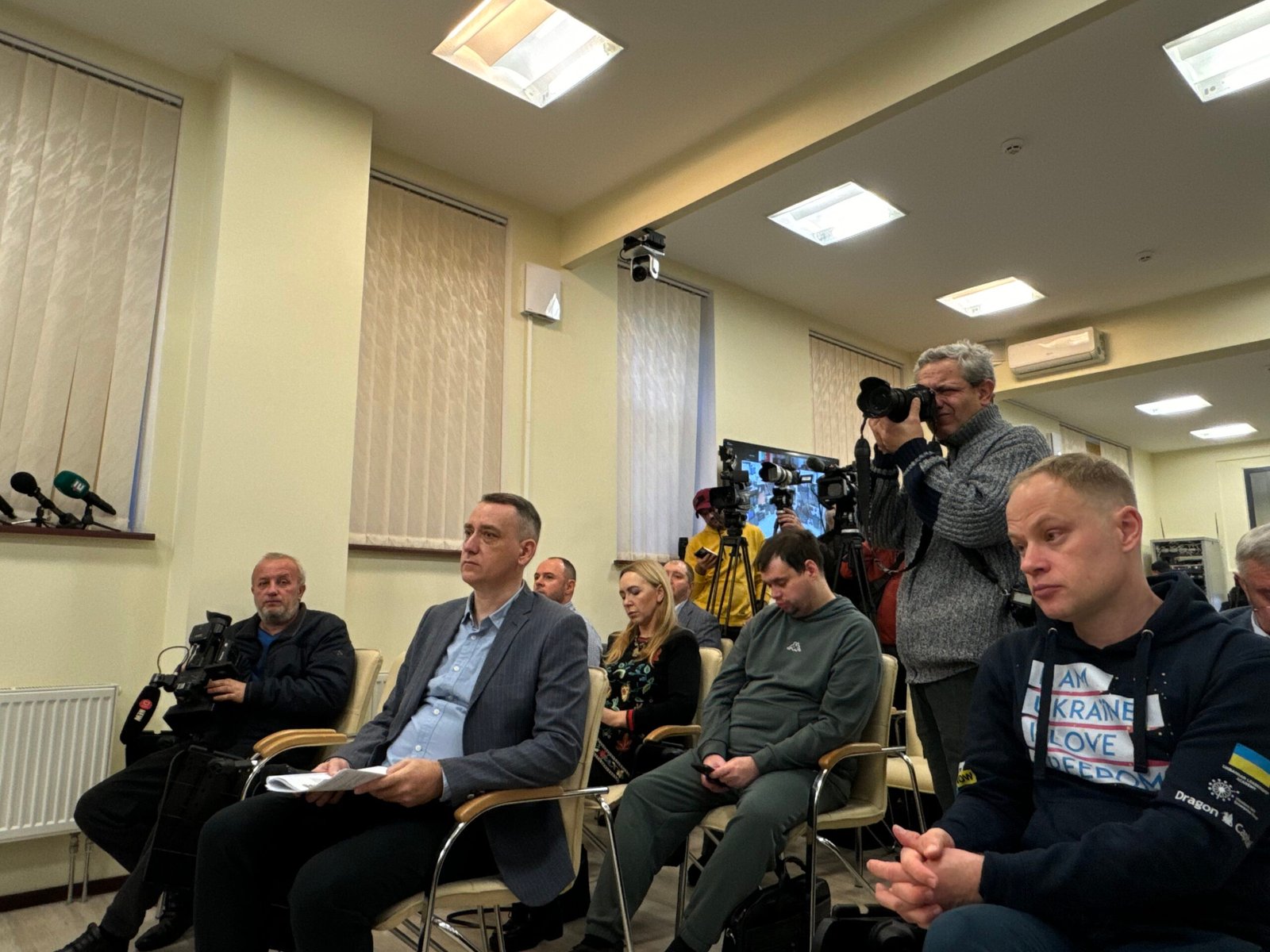
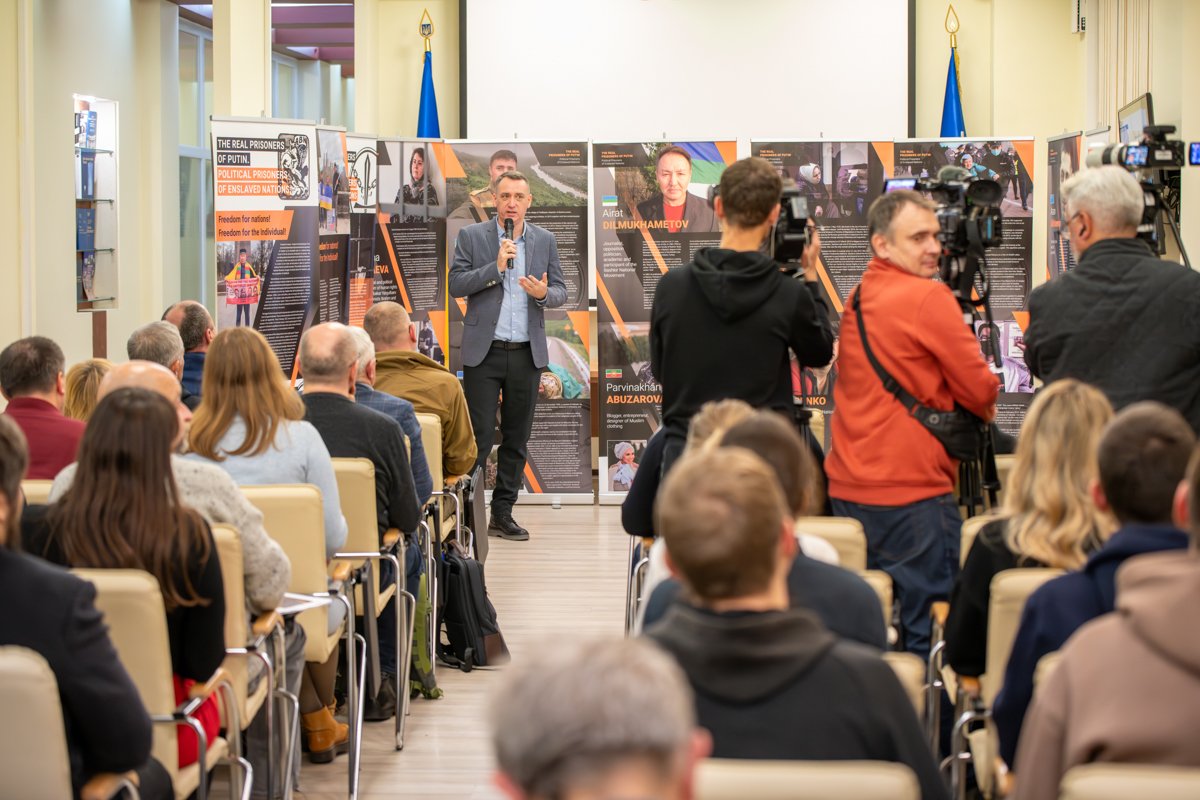
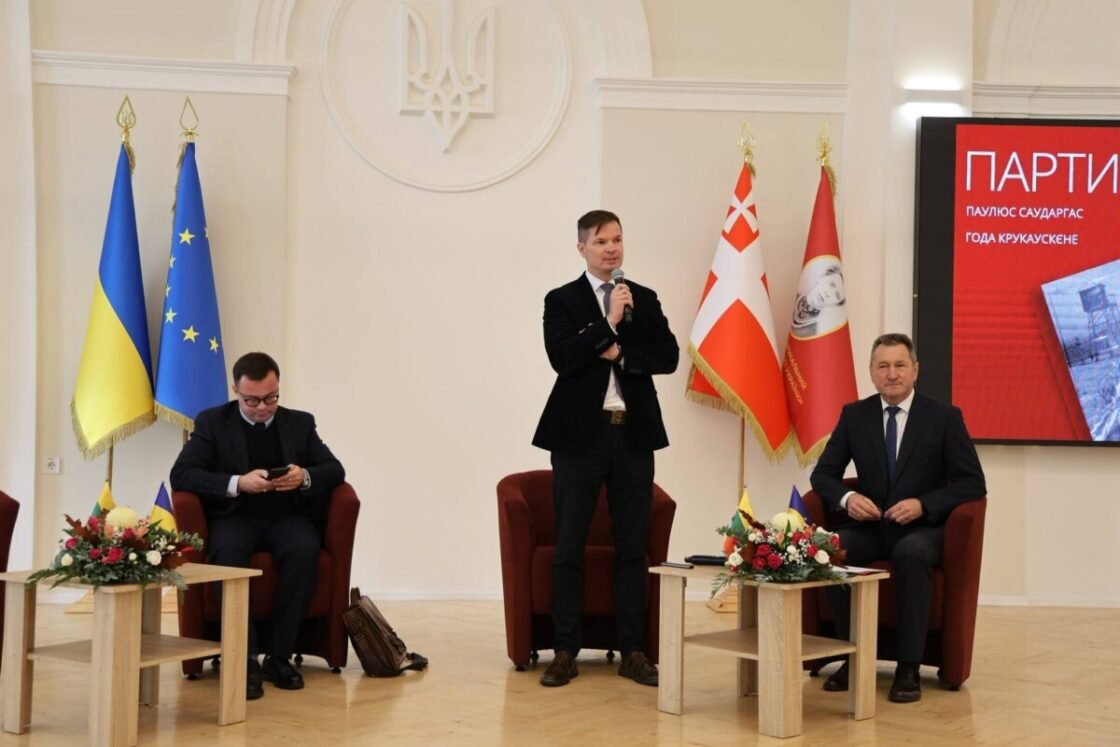
On 14 November, Kyiv hosted the presentation of the international human rights project “Putin’s Real Prisoners. Political prisoners of enslaved nations”.
The main goal of the project is to draw the attention of the world community to the problem of political repression against representatives of the national liberation movements of enslaved nations who have become victims of persecution by the Kremlin regime, as well as to mobilize international support for the release of political prisoners, to punish those guilty of violating human rights and bring them to justice for repression and torture.
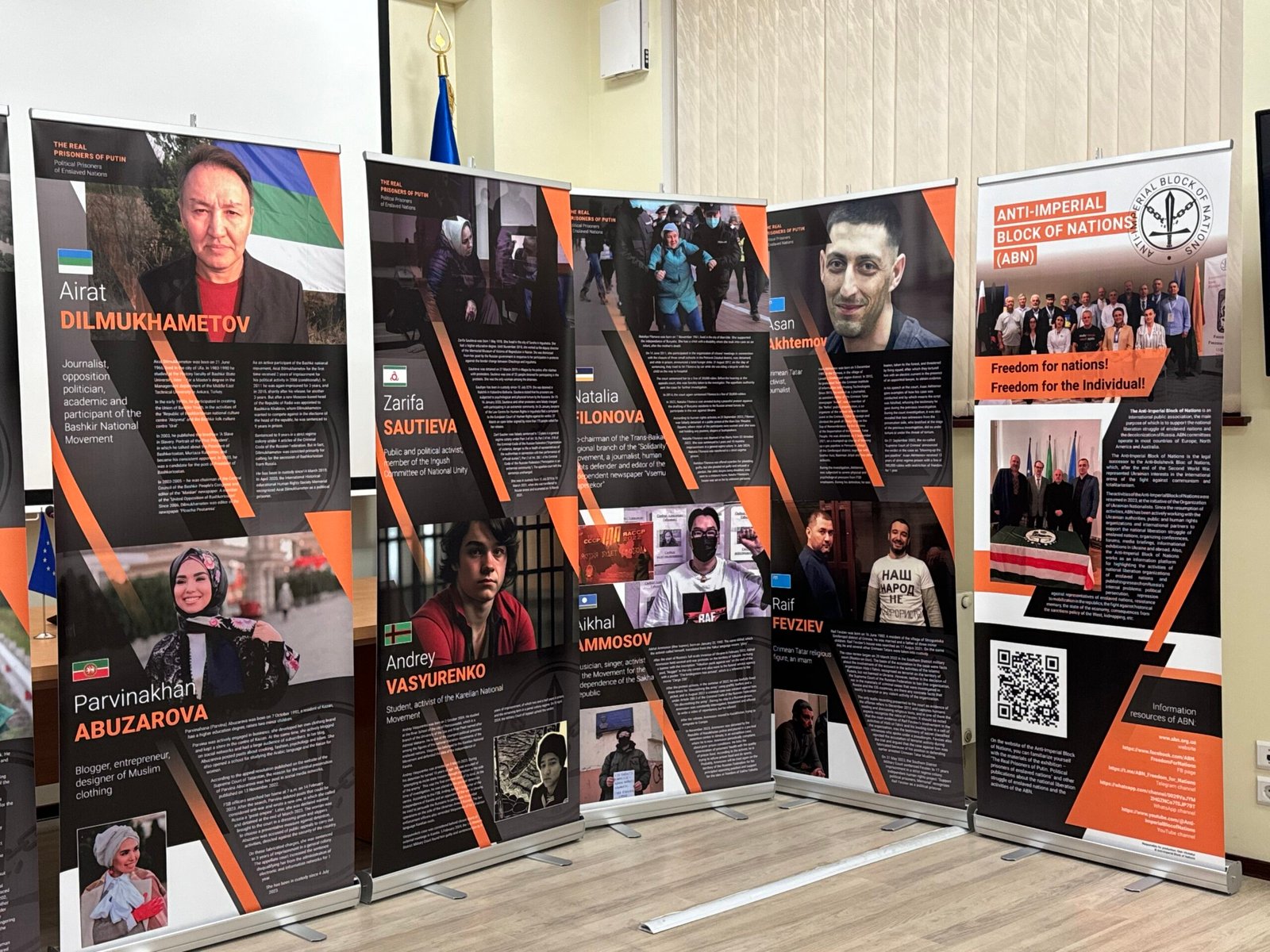
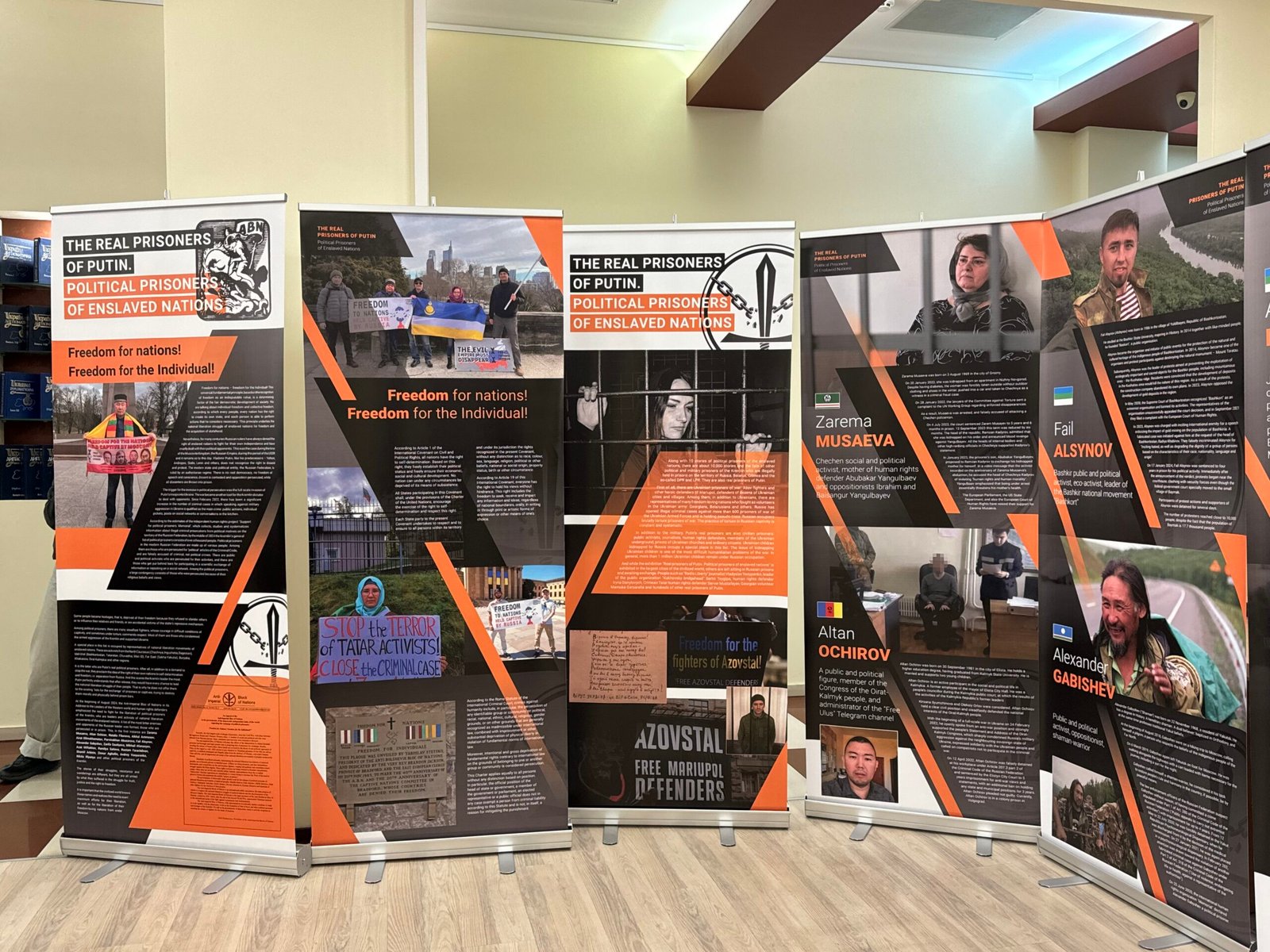
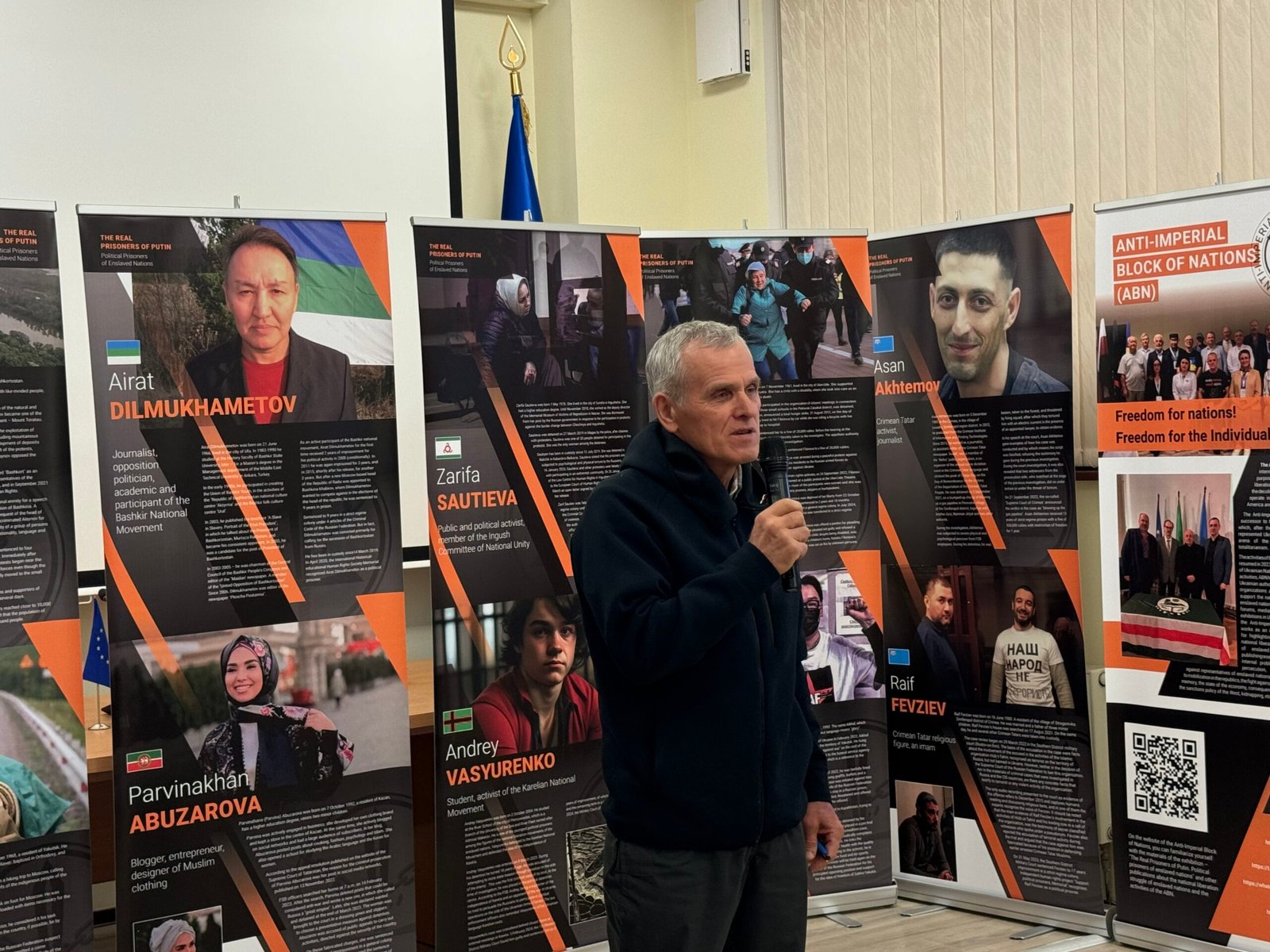
As part of the presentation, the thematic exhibition by the same name was presented, which is based on ten stories of political prisoners – activists of national liberation movements of enslaved nations, and the stories of two Crimean Tatar political prisoners. The exhibition ” Putin’s Real Prisoners. Political Prisoners of the enslaved nations” tells stories about political prisoners who were repressed because of their courage to speak out against the dictatorship. These are public activists, human rights defenders and fighters for the independence of their nations, who are persecuted by the Putin regime. Each of them paid for their beliefs with the loss of freedom.
The exhibition reflects twelve stories of representatives of enslaved nations and political prisoners of the Crimean Tatar people, in particular Zarema Musaeva (Chechnya), Altan Ochirov (Oirat-Kalmykia), Natalia Filonova (Buryatia), Mikhail Afanasyev (Khakasia), Airat Dilmukhametov (Bashkortostan), Parvinakhan Abuzarova (Tatarstan), Faila Alsynova (Bashkortostan), Aleksandra Gabysheva (Sakha-Yakutia), Zarifa Sautieva (Ingushetia), Andrei Vasyurenko (Karelia), Crimean Tatar activists Asan Akhtemov and Raif Fevziev. Against the background of these persons’ stories, about ten thousand tragedies of other political and military prisoners of the Kremlin, who are illegally held in the territory of Russia, Belarus, Crimea and the so-called DPR and LPR, are illustrated. They are also the real prisoners of Putin. First of all, these are Ukrainian prisoners of war: fighters of “Azov”, heroic defenders of Mariupol, and defenders of dozens of other Ukrainian cities and villages. Among them are representatives of many freedom-loving nations who fought as volunteers in the Ukrainian army: Georgians, Belarusians and others.
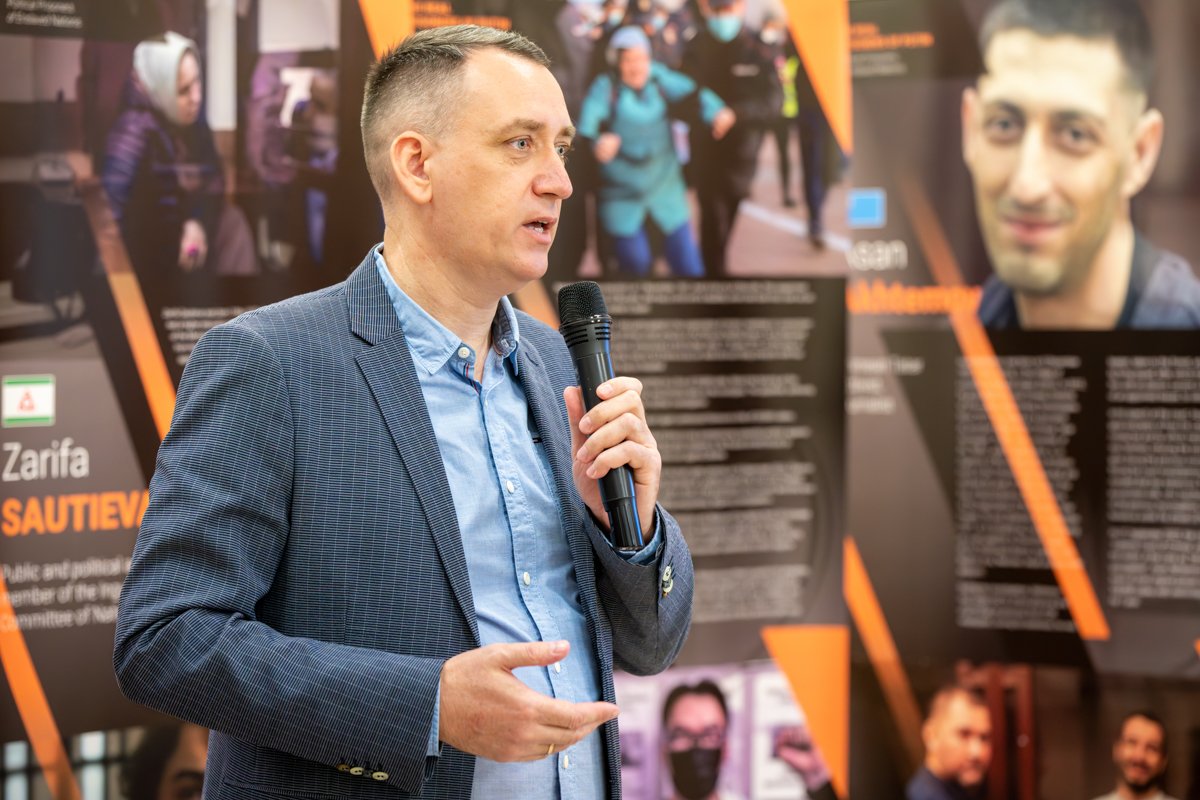
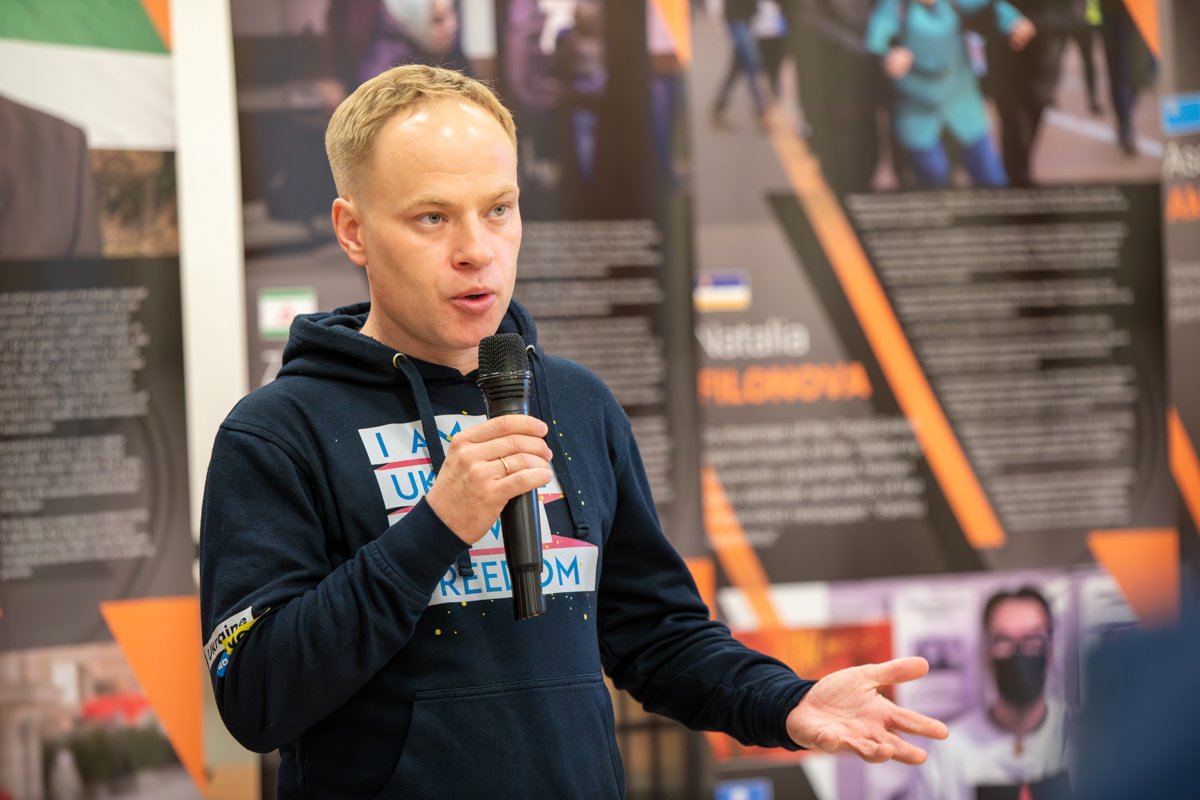
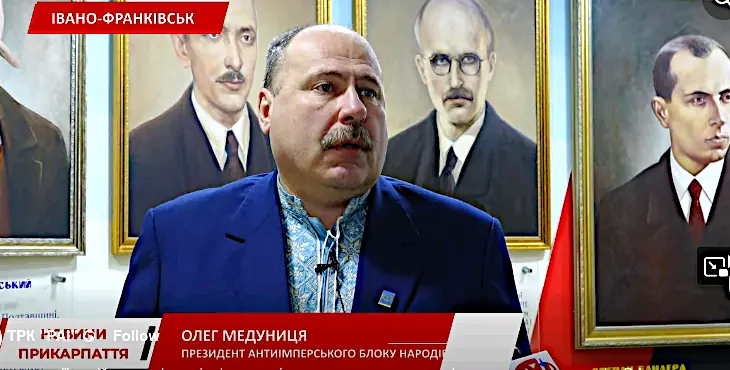
The presentation was opened with introductory speeches by the moderator of the event, the Executive Director of the Anti-Imperial Block of Nations, Oleh Vitvitskyi and the President of the ABN, the Head of the Organization of Ukrainian Nationalists (Banderites), Oleh Medunytsya.
In his introductory speech, Oleh Medunytsya emphasized: “This exhibition tells about the tragic fates of individuals and entire nations that the Russian Federation once occupied. For example, at our exhibition, you can see the story of Zarema Musaeva – a courageous Chechen woman who was convicted only because her sons openly opposed the Putin-Kadyrov clique. Her prison term ends in March 2025, but under a contrived pretext (attack on a prison guard) they are handing her a new five-year term.
At one time, the Soviet Union was called the “prison of nations.” Now the so-called Russian Federation is the largest place of enslavement of nations. And that’s why we should also call it the “prison of nations”. Because Muscovy is the prison of whole peoples and small nations, as well as their best daughters and sons, who are in prison today. According to various estimates, there are several thousand political prisoners in Moscow prisons, about half of them are representatives of enslaved nations. Our goal is to draw attention to the tragedy of these people. They are the real prisoners of the Kremlin, whom Putin personally fears, because they threaten the existence of such a quasi-state as the Russian Federation. Our duty is to achieve such a result that these people are not abandoned, that they get out of prison.
We intend to organize a world tour and present this exhibition in the capitals and large cities of democratic states, Oleh Medunytsya shared his plans. “We are looking for partners in different countries who will help convey the truth about Putin’s political prisoners to governments, journalists, and the public.”
“Today, we strive to become the voice of Putin’s real political prisoners and convey to the whole civilized world true information about repressions and the illegal detention of representatives of enslaved nations. Our task is to release dozens and hundreds of Kremlin prisoners and continue their national liberation struggle,” said Oleh Vitvitskyi.
In early August 2024, the Anti-Imperial Block of Nations in its “Address to Human Rights Defenders and Leaders of the Free World” emphasized the need to fight for the release of political prisoners of the Kremlin, who are leaders and activists of national liberation movements of enslaved nations. A list of the most bitter enemies and opponents of the Russian leader, who are persecuted or in prison, was formed. These are, first of all, Zarema Musaeva, Altan Ochirov, Nataliya Filonova, Airat Dilmukhametov, Parvinakhan Abuzarova, Fail Alsynov, Alexander Gabyshev, Zarifa Sautieva, Mikhail Afanasyev, Azat Miftakhov, Ramilya Saitova, Rustam Fararitdinov, Shamil Arbinin, Zinnur Agliullin, Andrei Vasyurenko, Kevin Leek, Nikita Klyunya and other political prisoners of the Kremlin. The stories of their struggles, resistance and wanderings are different, but they are all united by the fact that they suffered in the battle for truth, justice and the right to freedom.
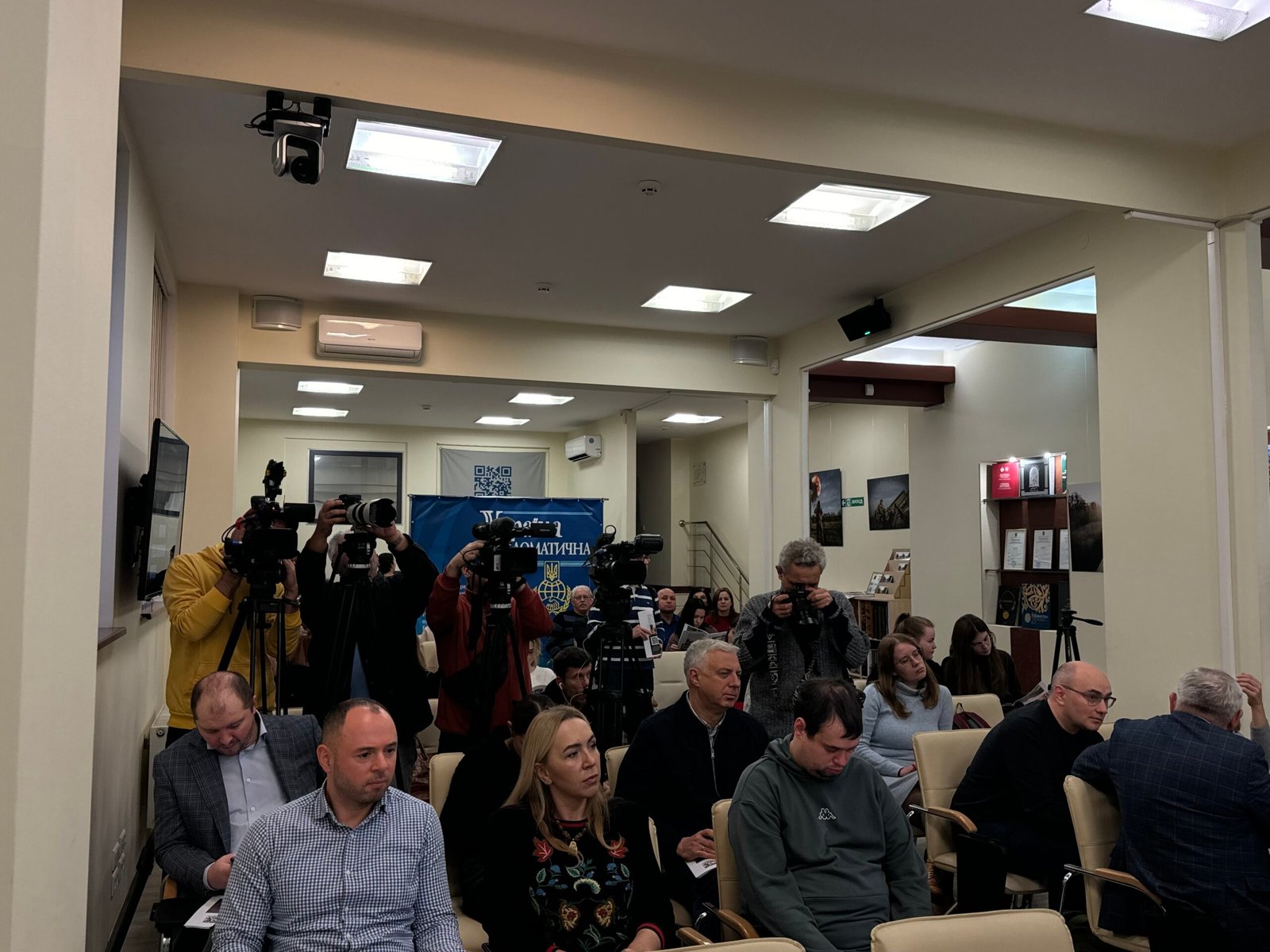
During the presentation of the project, the national deputy of Ukraine, and head of the Committee of the Verkhovna Rada of Ukraine on freedom of speech Yaroslav Yurchyshyn also spoke; Inyazor of the Erzyan nation Sires Bolyaen; dissident, human rights defender Yosif Zisels; deputy chairman of the Mejlis of the Crimean Tatar people, political prisoner of the Kremlin regime Nariman Dzhelal; Prime Minister of the Government of Independent Tatarstan in exile, political prisoner of the Kremlin regime, Rafis Kashapov; Ansar Garkho, leader of the Ingush Independence Committee; head of the Congress of the Oirat-Kalmyk people, Batyr Boromangnaev; representative of the national liberation movement “East Slobozhanshchyna” Nina Belyaeva; candidate of legal sciences, head of the project “Free Choice” Mykola Marchenko and vice-president of the Anti-Imperial Block of Nations, deputy prime minister of the Government of Independent Tatarstan in exile Aida Abdrakhmanova.
In their speeches, the presentation participants noted the urgency of the problem of supporting political prisoners from among the activists of the national liberation movements of enslaved nations and offered their ideas for the deployment of the human rights project. In particular, the National Deputy of Ukraine Yaroslav Yurchyshyn proposed to form the most complete list of such political connections for the presentation to international partners.
Syres Bolyaen, who also represented the League of Free Nations at the presentation, said that a human rights group headed by Aigul Lyon, a Bashkortostan, has been created within the structure of this organization. The initiative’s goal is to help the indigenous nations of the Russian Federation to represent their interests independently, without the mediation of Moscow.
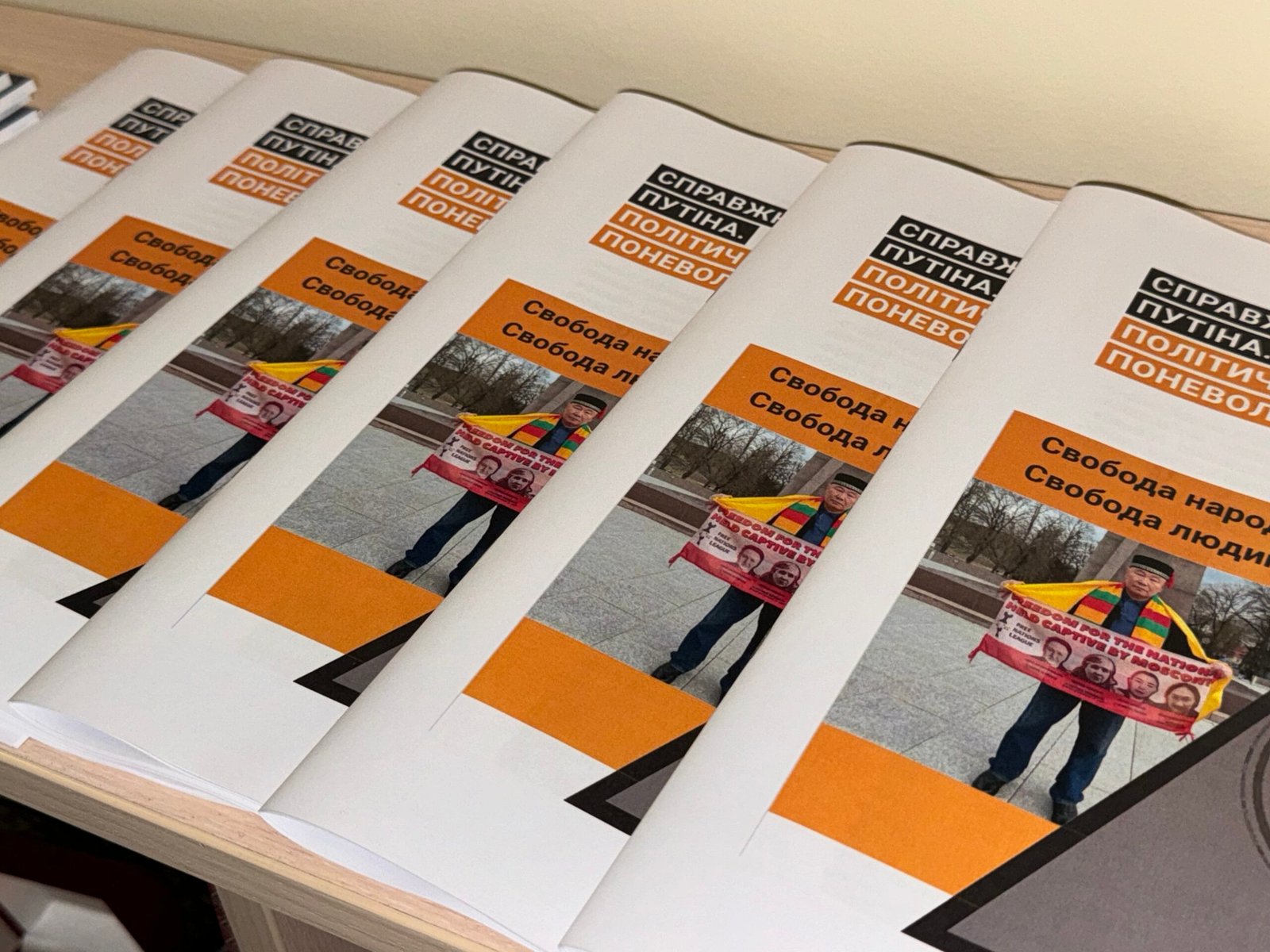
The basic slogan of the international human rights project is “Putin’s Real Prisoners. “Political prisoners of the enslaved nations” and the slogan of ABN is: “Freedom for Nations – Freedom for the Individual!” This universal, fundamental principle, based on the recognition of freedom as an indisputable value, is a determining factor in the fair democratic development of society. We are talking about individual freedom and collective freedom, according to which every person, every nation has the right to create its own state, and every person can take actions that he considers necessary. This principle is the basis of the national liberation struggle of enslaved nations for freedom and the acquisition of statehood.
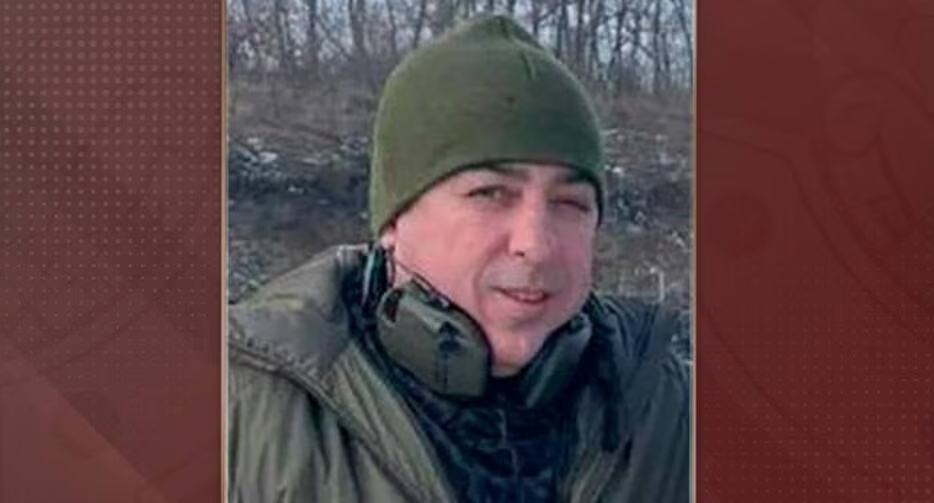
So, while the project will be presented in the key political centres of the civilized world, in Russian prisons, in addition to the political prisoners of enslaved nations represented at the exhibition, Radio Liberty journalist Vladyslav Yesypenko, leader of the public organization “Kakhovsky Bridge” Serhii Tsygipa, will remain in prison and wait for an exchange. Also, human rights defender Iryna Danylovich, Crimean Tatar human rights defender Server Mustafayev, Georgian volunteer Mamuka Gatsarelia and hundreds of other real prisoners of Putin.
The key task is to achieve the fastest possible release of these prisoners and to join forces around the destruction of the newest “prison of nations”!