


Language, Land, Dignity: Empire Disappears Not Only from the Map but Also from Everyday Life
Colonial subordination is measured by more than political borders. It is visible in who controls land and resources, which languages children can study, whether communities can protect traditional livelihoods, and whether their representatives can defend local interests without fear.
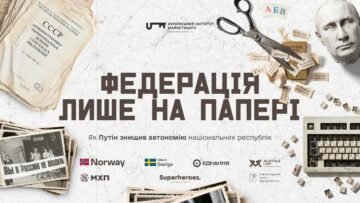
Nations Are Not an Appendix to the “Russian Opposition”: The Right to Speak for Themselves
The future of peoples subordinated to Moscow cannot be decided without them — still less by political forces speaking in their name while seeking only a change of leadership at the centre. A democratic Russia that preserves an imperial structure is not an answer to the demand for freedom.
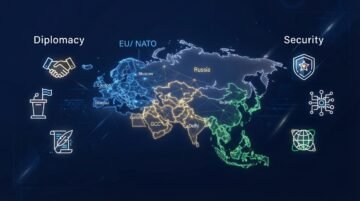
From Imperial Instability to Regional Alliances: Building a Security Model for the Post-Russian Space
The military-political crisis inside the RF forces analytical centres and liberation movement representatives to develop preventive models of regional security. Experts consider the central apparatus’s attempts to retain control over […]
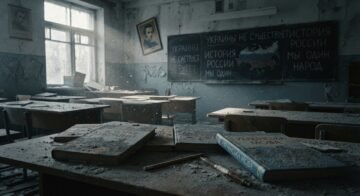
Linguicide Under the Guise of “Standardization”: How Moscow Is Permanently Eliminating National Education
Changes in RF federal educational standards have led to the minimization or complete removal of native languages from school curricula in most national republics. The implementation of the so-called “voluntary […]
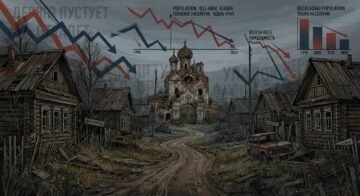
The Empire’s Demographic Noose: How Mobilisation and Poverty Destroy the Genofond of Enslaved Nations
Independent sociological surveys and regional statistics point to a catastrophic deepening of the demographic crisis in Russia’s national entities. Forced mobilisation, which has hit the depressed rural areas of the […]

Choking Off the Aggressor: Why European Countries Are Tightening Control Over Transport Corridors
The Moscow regime’s continuous attempts to bypass international sanctions through third countries are forcing European partners to implement stricter cargo and product origin verification mechanisms. Particular attention is paid to […]
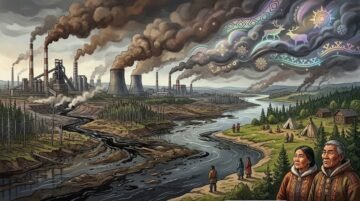
The Empire’s Green Legends: How Extractive Colonialism Destroys the Ecosystems of National Republics
The federal centre’s policy toward the resource-rich regions of Siberia, the North, and the Volga region is overtly predatory. Under the slogans of “state interests,” environmental standards at extractive industries […]
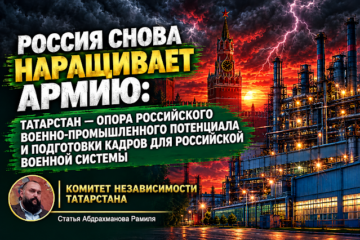
Russia is building up its army again: the number of Russian Armed Forces has been increased to 1.55 million servicemen
On 28 September, Vladimir Putin signed a decree to further increase the staffing of the Russian Armed Forces. Now the Russian army officially has 1,550,500 servicemen, and the total staffing […]
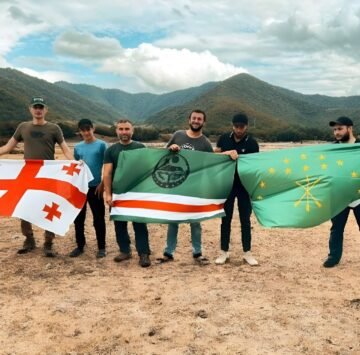
Voice Without a Moscow Filter: How Governments-in-Exile Build Direct Ties with the Democratic World
The diplomatic activities of governments-in-exile and national independence committees (including those of Tatarstan, Ichkeria, and Oirat-Kalmykia) are gradually eroding the traditional approach of Western nations toward perceiving the Russian Federation […]
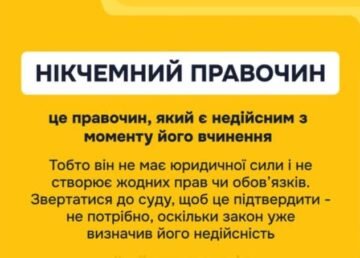
The Legal Nullity of Imperial Law: Why Moscow Court Rulings Are Losing Legitimacy in National Republics
Human rights groups and legal communities representing enslaved nations have intensified their efforts to develop concepts for legal succession and the dismantling of Russian federal legislation within national subjects. For […]
From Isolated Protests to a United Front: How Volga National Movements Are Building a Coalition Strategy
Recent consultations among representatives of the Tatar, Bashkir, Chuvash, and Erzya national movements demonstrate a qualitative transition from defending language and cultural rights to shaping a shared political agenda. Years […]
Destroying the Imperial Matrix: Why Decolonizing Consciousness is the Key to Russia’s Collapse
Any imperial regime relies not only on violence and the security apparatus, but also on persistent propaganda myths planted in public consciousness for decades, both inside Russia and beyond its […]