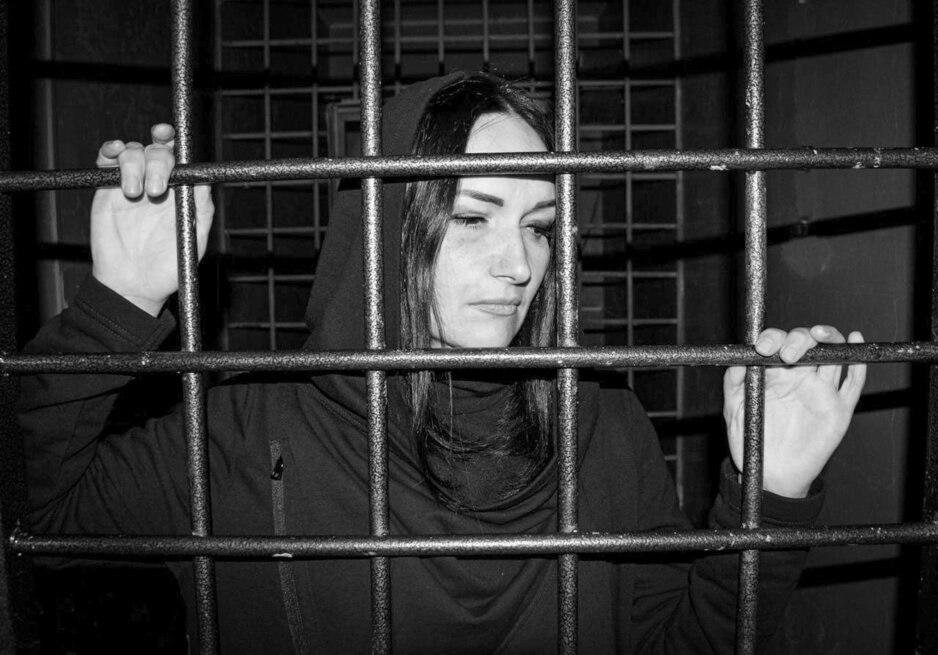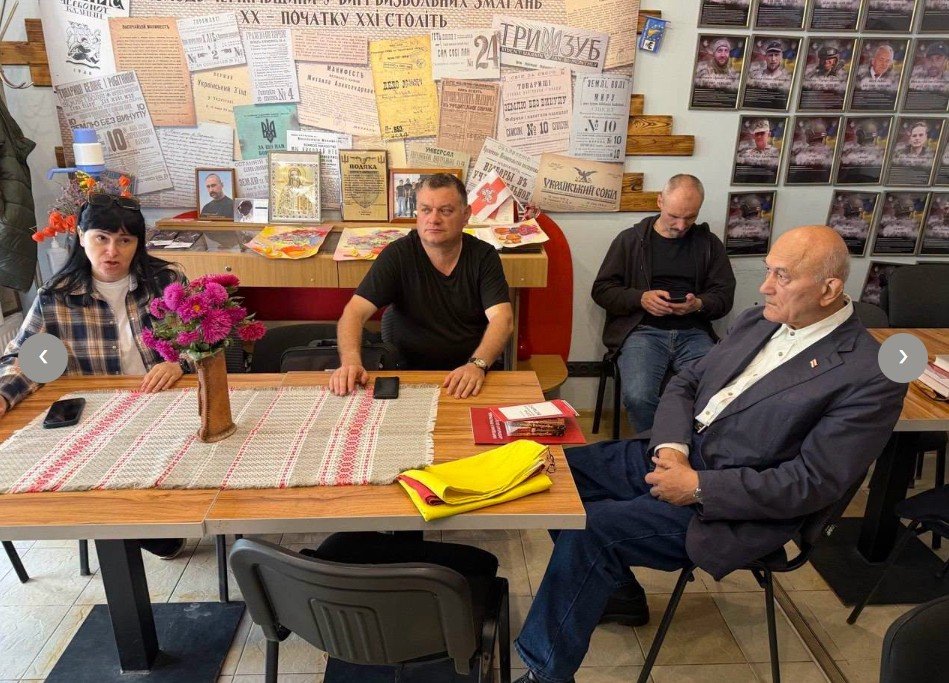
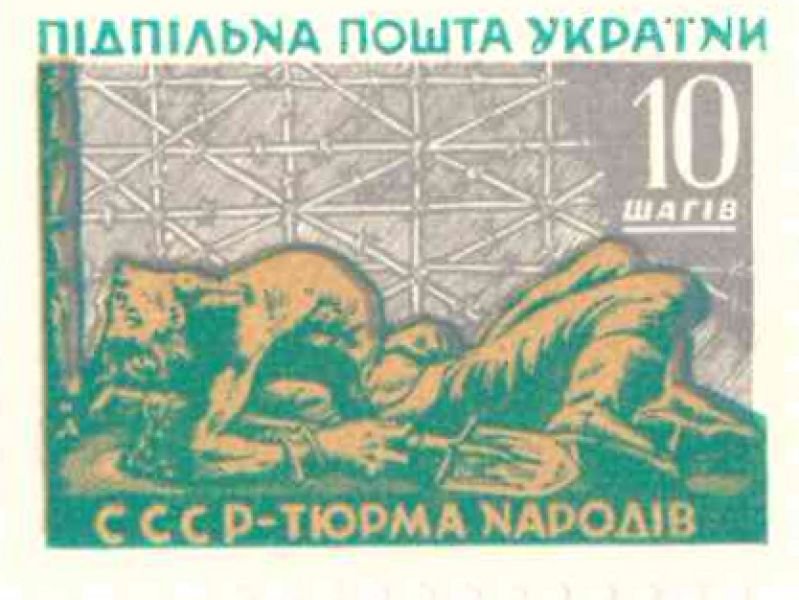
As of May 2025, the Russian Federation continues to face deep-rooted internal tensions shaped by its vast and diverse ethnic composition. While the Kremlin promotes a narrative of national unity, beneath the surface lies a landscape of marginalization, cultural repression, and emerging resistance among non-Russian groups such as the Chechens, Bashkirs, Buryats, Yakuts, and Crimean Tatars. These communities are increasingly asserting demands for autonomy, cultural preservation, and—in some cases—independence. This essay analyzes the historical origins, current developments, and future prospects of ethnic resistance in Russia, using a comparative lens that draws on China’s nationality policies in Xinjiang and Tibet. Through this lens, it argues that ethnic identity is not only enduring but increasingly weaponized in the face of authoritarianism.
Historical Context: From Imperial Expansion to Soviet Assimilation
Russia’s identity as an empire has always been inseparable from its control over dozens of distinct ethnic groups. Beginning in the 16th century, the Tsarist regime expanded eastward and southward through conquest, incorporating indigenous peoples across the Caucasus, Siberia, and Central Asia. Policies of Russification were central to this expansion, often suppressing native languages, religions, and customs (Martin, 2001).
The Soviet Union introduced formal structures of ethnic recognition, such as titular republics and language rights. However, this autonomy was carefully managed from the center. State repression, including Stalin-era deportations of Crimean Tatars and Chechens, revealed the regime’s willingness to annihilate communities deemed disloyal (Martin, 2001). Though institutional pluralism existed on paper, it operated within a system that privileged loyalty to Moscow above all.
The Post-Soviet Window and the Putinist Reversal
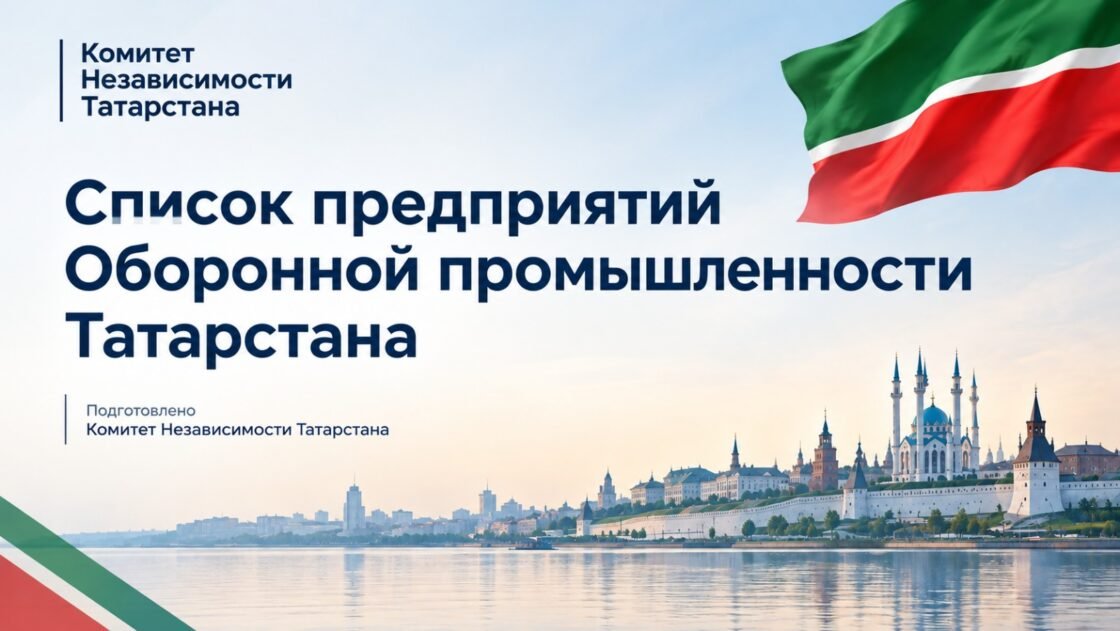
The dissolution of the Soviet Union in 1991 briefly opened space for ethnic revival. Regions like Tatarstan and Bashkortostan negotiated power-sharing treaties with the Kremlin, and Chechnya’s declaration of independence triggered two brutal wars (Hughes, 2007). This era of federalist experimentation collapsed under Vladimir Putin.
Between 2000 and 2020, Russia centralized power through the elimination of elected governors, abrogation of regional treaties, and rollback of linguistic rights. The 2018 education reforms, which diminished instruction in minority languages, sparked mass protests across Tatarstan and Bashkortostan (Bowring, 2010; Zois, 2022). Putin’s model of managed multiculturalism—granting symbolic recognition but denying substantive autonomy—reinstated the imperial paradigm under modern authoritarian conditions.
Resistance Movements (2024–2025 Developments)
Insurgency Across Ukraine and the Russian Federation
The full-scale invasion of Ukraine in 2022 catalyzed both national and transnational resistance. Partisan movements now span occupied Ukrainian territories, including Crimea and Donetsk, and extend into Russia itself. Crimean Tatar partisans, an integral wing of Ukrainian resistance, have carried out coordinated attacks against military logistics infrastructure (Reuters, 2025). Simultaneously, sabotage operations—ranging from railway disruptions to enlistment office arsons—have surged in Russian regions like Belgorod and Bryansk (Guardian, 2025).
These actions are not purely tactical. They resonate with the historical struggle of non-Russian peoples against imperial domination and mirror cultural resistance initiatives—such as underground Ukrainian schools—that reassert identity in defiance of occupation.
Internal Resistance Within Federal Subjects
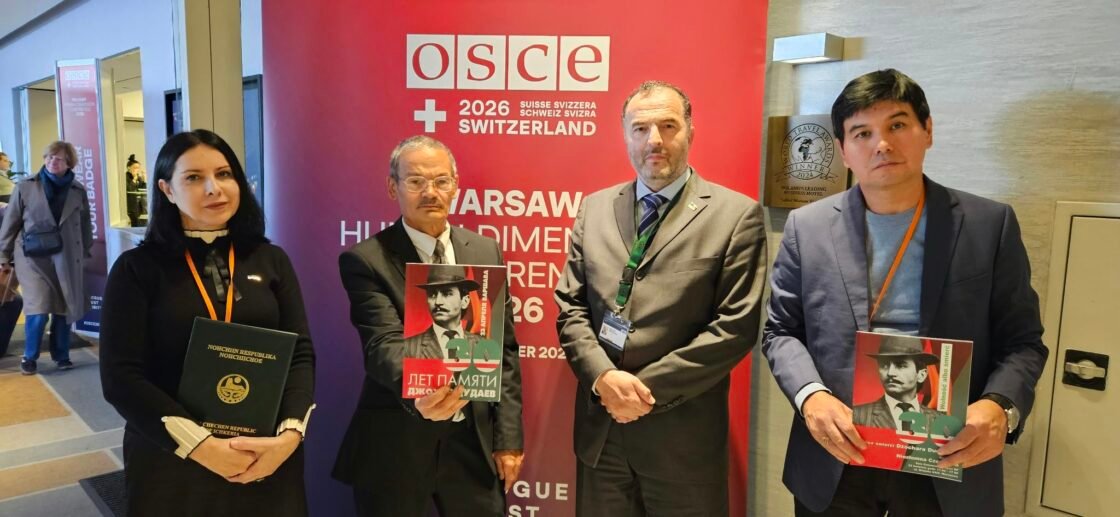
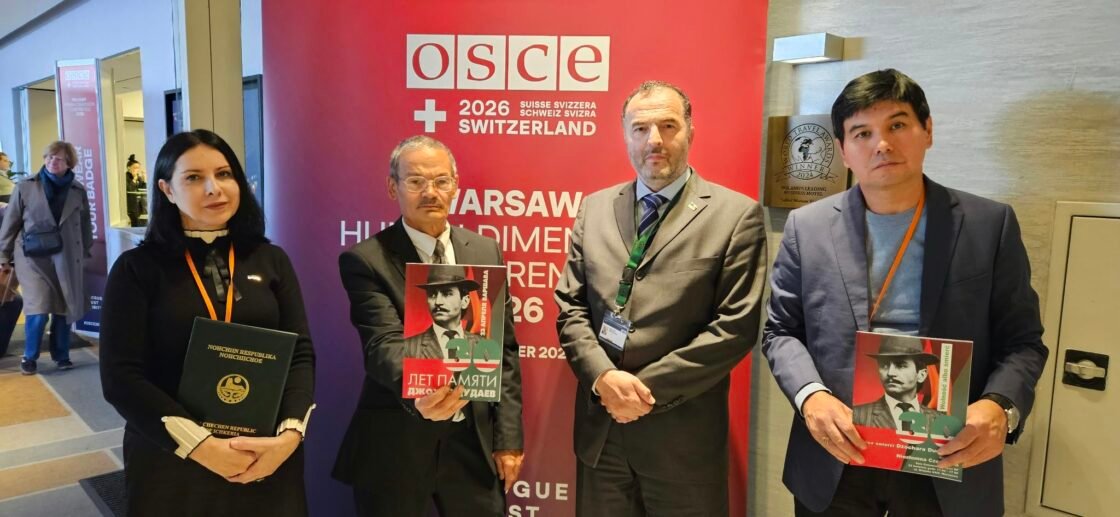
A new mosaic of resistance has emerged within the Russian Federation. In Chechnya, exile militias operate from Ukraine while the diaspora lobbies for recognition of Chechen independence. Moscow maintains its grip through tight surveillance and repression. In Bashkortostan, the 2024 sentencing of activist Fail Alsynov sparked mass demonstrations. The Committee of Bashkir Resistance now circulates manifestos and coordinates civil disobedience (AP News, 2024). In Buryatia and Tuva, conscription protests and anti-war campaigns have gained traction through the Free Buryatia Foundation, using online networks to challenge state narratives (Interpopulum, 2024). In Sakha (Yakutia), a youth-led campaign—“Not Our War, Not Our Diamonds”—links environmental concerns with anti-war sentiment, amplifying resistance through digital platforms (Guardian, 2025). Meanwhile, Crimean Tatars, many in exile, have established diaspora-led education programs and international advocacy efforts to preserve cultural identity amid ongoing repression (Reuters, 2025).
Demographic Realities and Emerging Shifts
One of the most profound undercurrents shaping Russia’s future is demographic. Muslim-majority regions in the North Caucasus and Western Siberia are experiencing higher birth rates than ethnic Russian regions, many of which face population decline. Tyumen Oblast, increasingly populated by Central Asian migrant laborers, underscores the growing gap between Russia’s demographic and political realities (Guardian, 2025).
By 2040, it is plausible that ethnic Russians will no longer constitute a majority in several federal subjects. This demographic transition suggests not only the persistence of ethnic diversity but also its growing political potential, particularly as younger, more religiously observant populations demand representation that reflects their values and identities (Guardian, 2025).
Mechanisms of State Control and Repression
The Kremlin’s strategy for managing ethnic dissent is multifaceted. Legal repression has been central, with activists prosecuted under vague and expansive laws such as “extremism” and “foreign agent” statutes (Interpopulum, 2024). Military conscription has disproportionately affected ethnic minorities, particularly in Buryatia, Dagestan, and Tuva, regions that have suffered some of the highest battlefield casualties in Ukraine (Guardian, 2025). Educational policies have downgraded minority languages, effectively sidelining them from public instruction (Bowring, 2010; Zois, 2022). Economically, the state continues to extract natural resources from regions like Sakha while investing little in local infrastructure or services. Culturally, Moscow uses state media to frame resistance as foreign-influenced subversion rather than legitimate political expression. These practices reflect a colonial dynamic that increasingly resembles China’s approach to managing non-Han regions such as Xinjiang and Tibet (Roberts, 2020; Byler, 2021).
Comparative Perspective: China and Russia’s Nationality Policies
China and Russia both govern diverse multiethnic states through centralized control masked by the language of federalism or autonomy. In China, the systematic repression of Uyghurs through internment camps, religious restrictions, forced labor, and surveillance in Xinjiang mirrors the Russian approach to Bashkirs, Buryats, and Chechens (Roberts, 2020; Byler, 2021). Moscow similarly monitors mosques, censors minority media, and criminalizes regional activism.
Both states portray ethnic dissent as a national security threat, justifying intrusive control through legal and technological mechanisms. Yet in both cases, repression has not extinguished identity. Uyghur and Tibetan diasporas remain active across the globe, organizing for cultural survival and international advocacy. Their persistence finds echoes in the efforts of Crimean Tatars, Bashkirs, and Yakuts to preserve language, history, and self-determination despite systemic repression.
Ethnic Identity as a Source of Resistance
Ethnic identity functions not merely as cultural heritage but as political capital. As Chernykh and Savelkova (2023) demonstrate, identity is mobilized most powerfully when it is threatened by authoritarian homogenization. The Committee of Bashkir Resistance is a key example. Its coordinated campaigns, ideological manifestos, and strategic alliances reflect the transformation of cultural resilience into political resistance (AP News, 2024). From Chechnya to Sakha, identity is increasingly deployed not only to preserve the past but to imagine political alternatives to the current Russian state.
Bohdan Cherniawski, USA
References
1. AP News. (2024). “Bashkir Protesters Clash with Authorities Over Activist Jailing.” https://apnews.com/article/79f7aa9086bb19e3375be7e324608b0d
2. Bowring, B. (2010). Language Policy in Russia and the ‘Russian World’: The Decline of the Regional Languages in the Education System. European Yearbook of Minority Issues.
3. Byler, D. (2021). In the Camps: China’s High-Tech Penal Colony. Columbia Global Reports.
4. Chernykh, S. & Savelkova, E. (2023). Indigenous Peoples of Russia Against the War: Narrative Analysis of Ethnic Identity as a Resource of Activism. ResearchGate.
5. Guardian. (2025). “Yakut Youth Movement Opposes Kremlin Diamond Profiteering.” https://www.theguardian.com/world/2025/03/11/yakut-protests
6. Hughes, J. (2007). Chechnya: From Nationalism to Jihad. University of Pennsylvania Press.
7. Interpopulum. (2024). Seeing Red: Resilience and Resistance in Russia.
8. Martin, T. (2001). The Affirmative Action Empire: Nations and Nationalism in the Soviet Union, 1923–1939. Cornell University Press.
9. Reuters. (2025). “Crimean Tatars Preserve Identity in Ukrainian Exile.” https://www.reuters.com/world/europe/crimean-tatars-safeguard-traditions-2025-05-13
10. Roberts, S. (2020). The War on the Uyghurs: China’s Campaign Against Xinjiang’s Muslims. Princeton University Press.
11. Zois, B. (2022). Russia’s Ethnic Minorities and the Shrinking Scope for Activism. ZOiS Berlin.