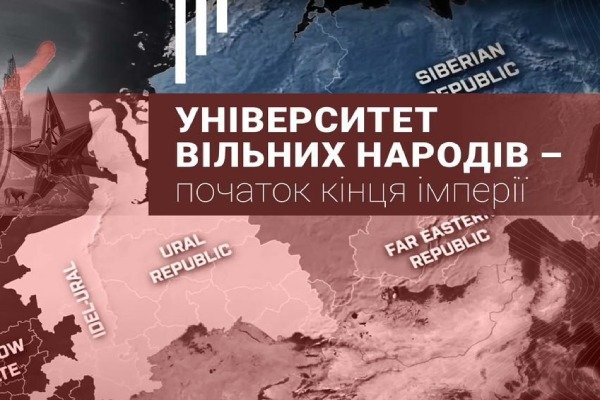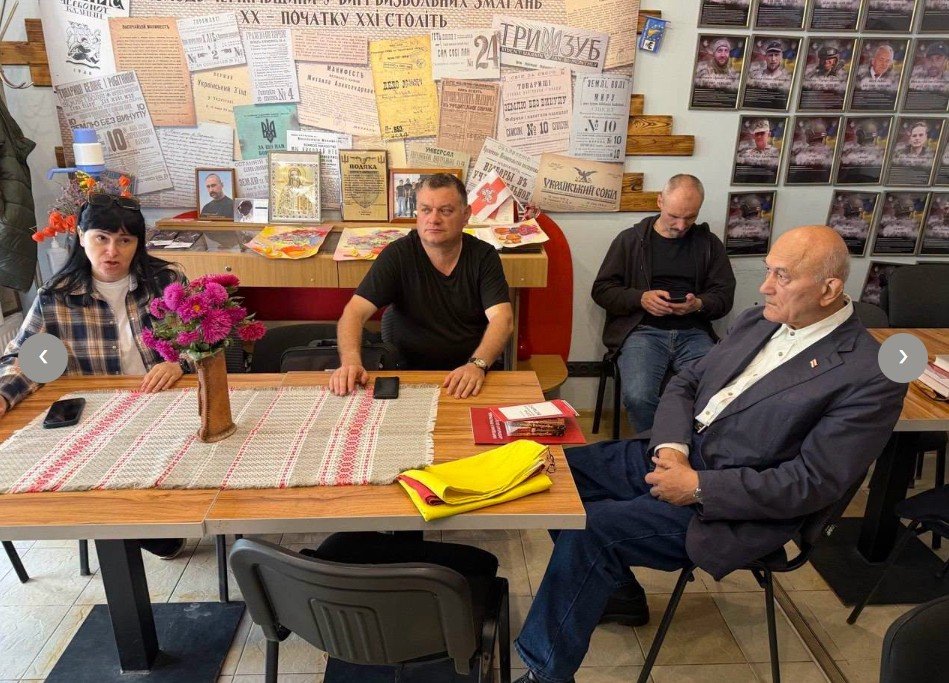

At the end of February, the fourth academic year of the University of Free Nations, a unique educational project, launched to train leaders and activists of national liberation movements of enslaved nations, concluded.
The fourth batch of students of the University of Free Nations included representatives of liberation movements and organisations of enslaved nations. In particular, members of the Tatarstan Independence Committee, the Committee of the Bashkir National Movement Abroad, and the Committee for the Deoccupation of the Chechen Republic of Ichkeria were significantly represented among the students. Representatives of the Belarusian, Circassian, and Veps national movements and the public organisation of the Union of Ukrainians of Historical Lands (EUIZ) also actively took part in the studies.
Graduates of the University of Free Nations successfully mastered the curriculum, passed tests, and defended their diploma theses, dedicated to the prospects of the national liberation struggle of their nations.
According to the head of the educational project, Leontiy Shypilov, the general level of students of the fourth batch was extremely high, and all students of the University demonstrated good knowledge and completed the curriculum. During the course, the topics of the theory of the state, international law and the law of nations, special information technologies, the theory and practice of communication and propaganda, and a number of other relevant topics were studied. The novelties of the course were the lessons prepared by the researcher of the history of the Anti-Bolshevik Bloc of Nations, Hryhorii Riy, on the activities of the ABN in the context of the national liberation struggle and the theory and practice of creating an effective national movement, which was presented to the students of the University by the well-known expert Pavlo Zhovnirenko.
During the final meeting of the fourth batch of the UFN graduates, they were addressed by the President of the Anti-Imperial Block of Nations, the head of the Organisation of Ukrainian Nationalists (Banderites), Oleh Medunytsya. He emphasised that the University of Free Nations continues to train the best cadres of liberation movements – the future elite of independent states that will arise on the ruins of the Muscovite empire. According to Oleg Medunitsa, it is of great importance for the Anti-Imperial Block of Nations to provide effective and efficient assistance to the national liberation movements of enslaved nations, in particular in the field of education.
“We believe that the empire will fall! We see clear trends towards its collapse and see in these processes a part of our joint contribution,” the President of the ABN concluded.
As part of the final meeting, the teachers of the educational project, as well as the constant organiser of the educational process – the executive director of the Anti-Imperial Block of Nations Oleh Vitvitskyj, addressed the graduates with words of advice, noting that the organisation of the work of the fourth batch of UFN became a real challenge for the organisers. After all, the classes took place, in fact, in extreme conditions – during air raids, in the absence of electricity, heating, and at sub-zero air temperatures. However, despite the difficulties and obstacles, the entire curriculum of the course was successfully completed, because no one will stop the idea of the collapse of the Moscow empire, the time for which has come!
In turn, the graduates of the University of Free Nations expressed their gratitude to the organisers and teachers of the University of Free Nations, who were able to provide high-quality and effective training in such difficult conditions. They will now use the acquired knowledge, skills and abilities to achieve a common goal – the victory of Ukraine and the decolonisation of Muscovy.
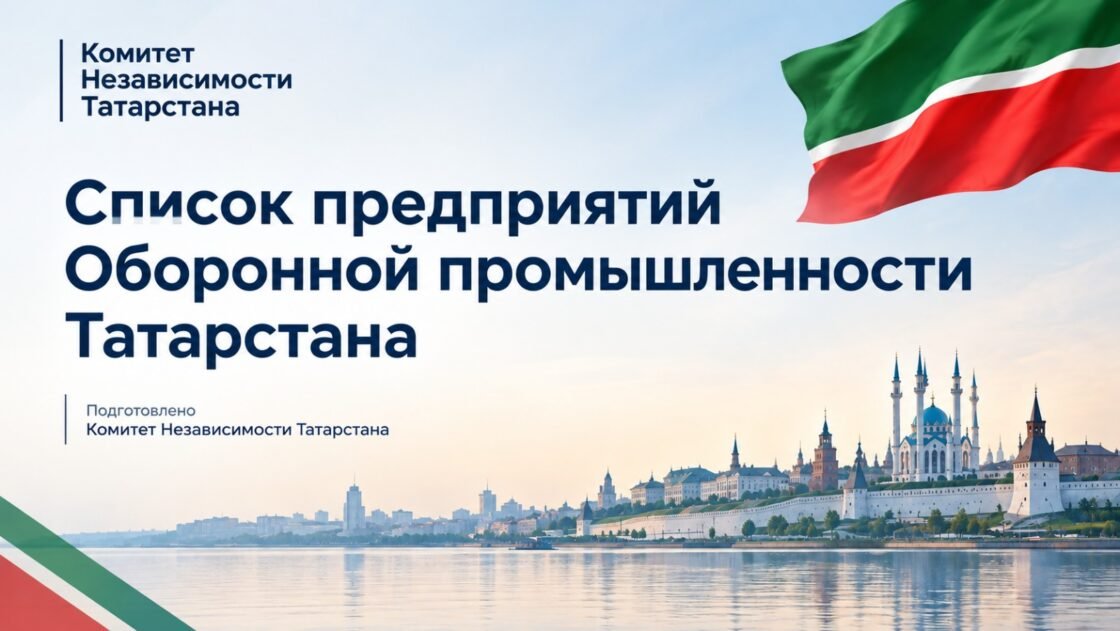
Aida Abdrakhmanova, head of the Committee, vice-president of the Anti-Imperial Bloc of Nations, and a graduate of the UFN, addressed the audience with words of gratitude on behalf of the Tatarstan Independence Committee. She emphasised the extraordinary importance of the educational project for national liberation movements and expressed hope for maintaining effective communication and continuing cooperation.
Following the results of the work of four batches of the University of Free Nations, more than a hundred UFN graduates continue their systematic work on the decolonisation and liquidation of the Moscow Empire.