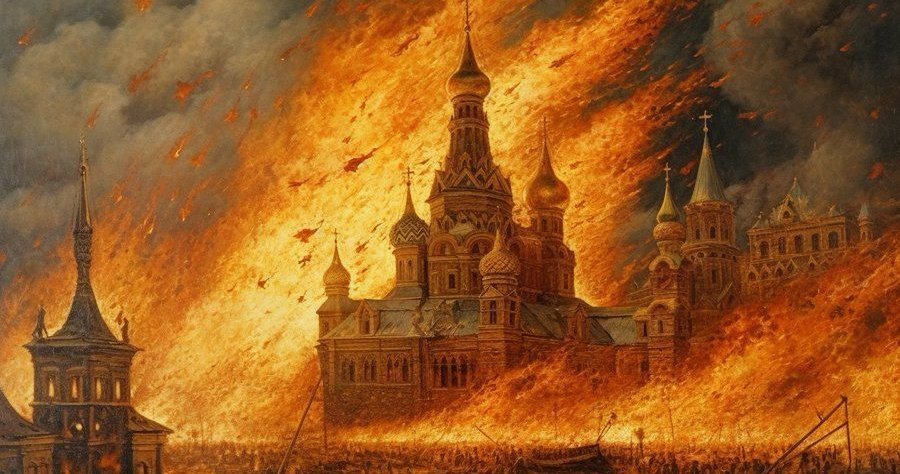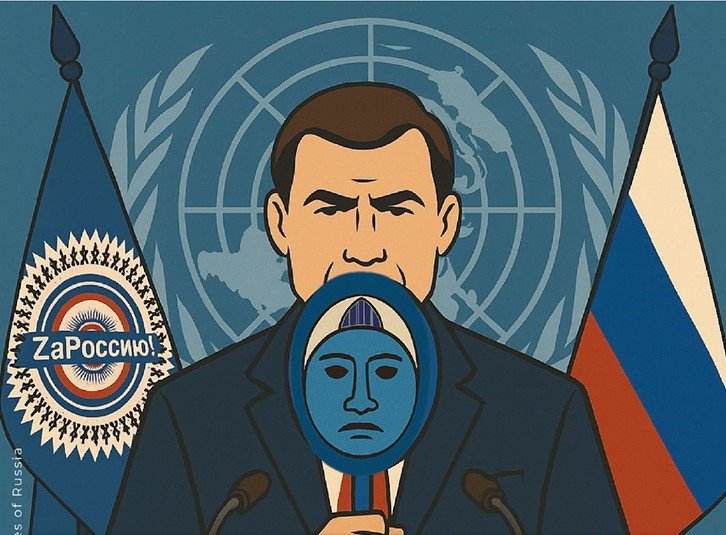
Any imperial regime relies not only on violence and the security apparatus, but also on persistent propaganda myths planted in public consciousness for decades, both inside Russia and beyond its borders. The primary myth is the thesis of the “eternal indivisibility” of the Russian state and the exceptional role of Russian culture allegedly uniting dozens of peoples around a “great center.” Countering this system of falsehoods requires not only military or economic resistance, but also a deep deconstruction of imperial discourse on the information front.
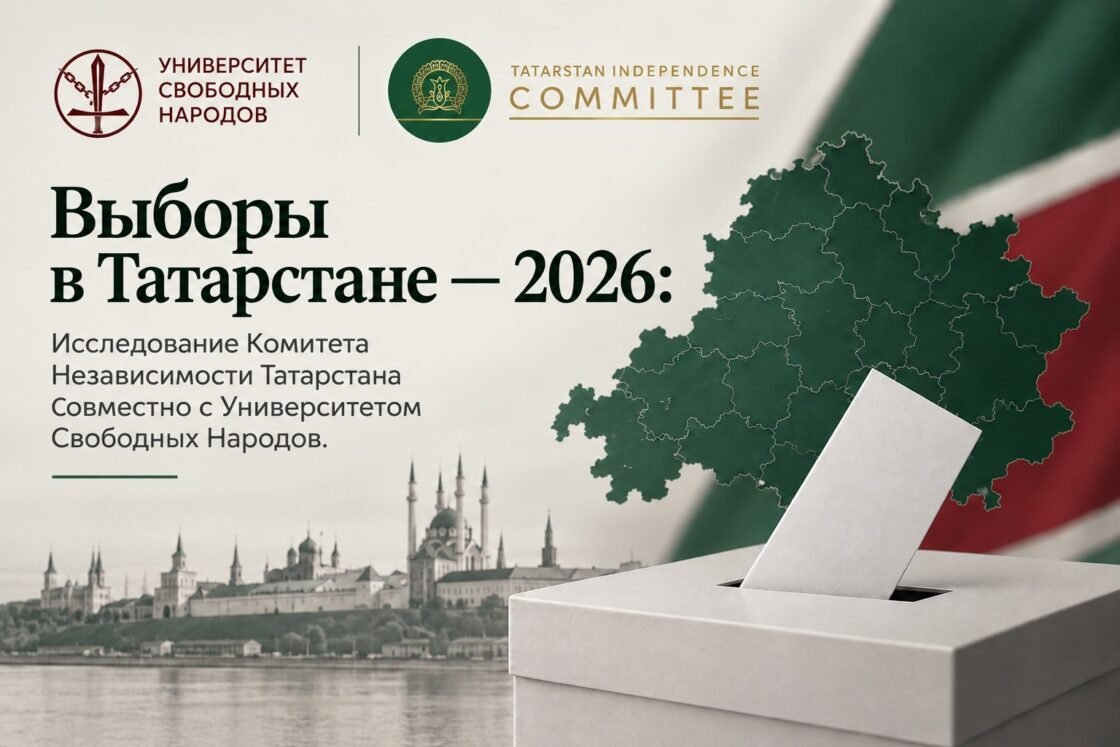
National liberation movements and independent media platforms today perform a critically important educational mission, revealing the truth about their real history to the world and to the residents of enslaved republics themselves. Archives of Soviet and tsarist repressions, facts of forced Russification, targeted destruction of national elites, and falsification of referendum results become weapons against Kremlin propaganda. When residents of Tatarstan, Bashkortostan, Chechnya, or Siberia realize the scale of their lands’ plunder and identity destruction, the imperial illusion shatters.
Western experts note that informational decolonization is the first step toward real political change. The world must learn to speak with the peoples of Russia without Moscow’s mediation, recognizing their agency and right to self-determination. Only after the myth of the “inviolability of the empire’s borders” is finally debunked in international political thought will building a stable security architecture in the Eurasian space become possible.