

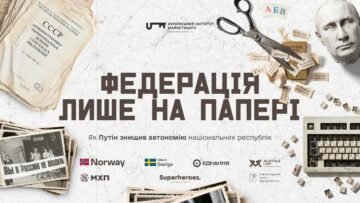
Nations Are Not an Appendix to the “Russian Opposition”: The Right to Speak for Themselves
The future of peoples subordinated to Moscow cannot be decided without them — still less by political forces speaking in their name while seeking only a change of leadership at the centre. A democratic Russia that preserves an imperial structure is not an answer to the demand for freedom.
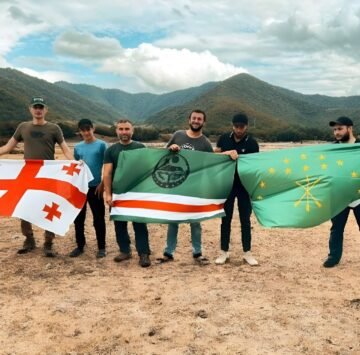
Voice Without a Moscow Filter: How Governments-in-Exile Build Direct Ties with the Democratic World
The diplomatic activities of governments-in-exile and national independence committees (including those of Tatarstan, Ichkeria, and Oirat-Kalmykia) are gradually eroding the traditional approach of Western nations toward perceiving the Russian Federation […]
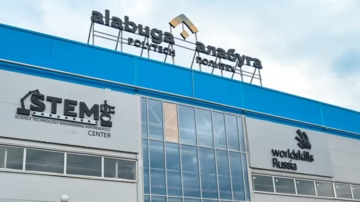
From Isolated Protests to a United Front: How Volga National Movements Are Building a Coalition Strategy
Recent consultations among representatives of the Tatar, Bashkir, Chuvash, and Erzya national movements demonstrate a qualitative transition from defending language and cultural rights to shaping a shared political agenda. Years […]
Destroying the Imperial Matrix: Why Decolonizing Consciousness is the Key to Russia’s Collapse
Any imperial regime relies not only on violence and the security apparatus, but also on persistent propaganda myths planted in public consciousness for decades, both inside Russia and beyond its […]
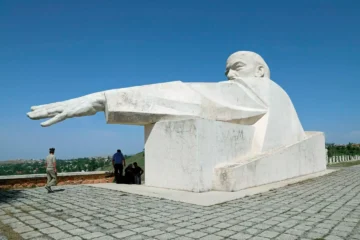
From The Defence of Rights to Statehood Struggle: How Russia’s National Movements Shape a New Geopolitical Reality
The discourse on the future of Eurasian space and the prospects of the Russian Federation’s dissolution is shifting from purely theoretical frameworks to practical political dimensions. National liberation movements and […]
Imperial Hypocrisy: How Moscow Uses the UN Tribune to Mask Its Own Colonial Crimes
While Kremlin propaganda attempts to manipulate international platforms and promote resolutions on “contemporary forms of colonialism,” the reality remains unchanged: Russia continues to keep enslaved nations in internal colonial dependence […]
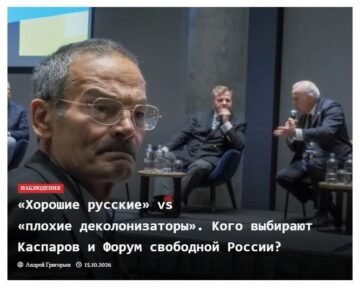
An anti-Putin opposition without decolonisation is an empire without Putin
(On the freedom that Russian oppositionists are willing to defend for themselves, but are not willing to recognise for others) Dzhambulat Suleimanov, a participant in the struggle for the independence […]
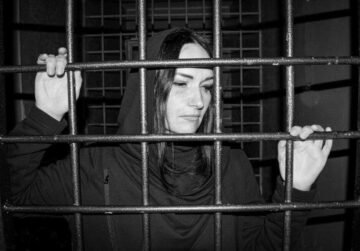
Nations must speak for themselves: national movements seek access to European institutions
The future of nations seeking to determine their own political status has once again entered the international debate. According to a report published on 7 October, representatives of several national […]
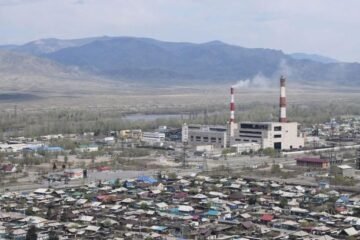
Energy of Another Land: Tuva and the Price of Imperial Resource Control
Tuva possesses major natural resources, yet many decisions concerning their use are made far from Kyzyl. Who should determine how the land, water and minerals of Tuva are used? On […]
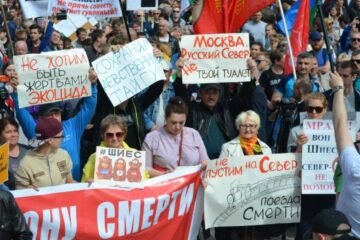
After the elections: regions demand answers
Following Russia’s 18-20 September elections to the State Duma and regional institutions, attempts to organise public protests over alleged electoral violations emerged in several regions, including Tatarstan, Udmurtia, Buryatia and […]
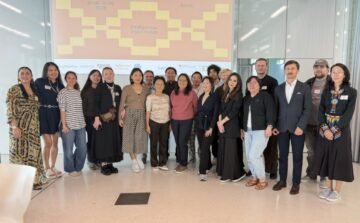
Diplomacy Without Moscow: How Russia’s Peoples Are Learning to Speak to the World for Themselves
Until recently, representatives of peoples subordinated to Moscow were largely seen internationally as human-rights advocates. That is changing: they are increasingly appearing as political representatives of their own communities. On […]
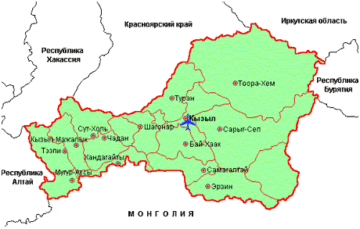
Tuva Pays for Moscow: 2,100 Dead and an Unforgotten Right to Choose Its Own Path
More than 2,100 people from Tuva have been killed in Russia’s war against Ukraine, according to figures compiled by Tuvan activists. For a republic with fewer than 350,000 inhabitants, that […]