An analysis of the current Russo-Ukrainian war through the lens of post-colonial studies confirms that the Kremlin’s military aggression against Ukraine and its domestic policy of harsh suppression of national minorities within the Russian Federation are two sides of the same imperial coin. For centuries, the Russian state model was built on expanding boundaries through the forced subjugation of neighbouring nations and the subsequent assimilation of their populations.
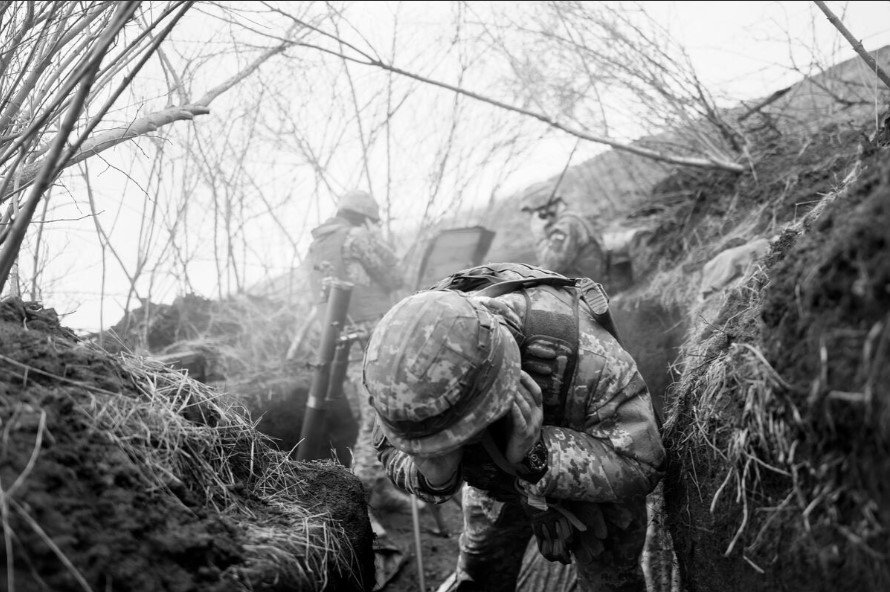
In the present conflict, the Kremlin actively employs the colonial practice of deploying the most vulnerable and economically depressed segments of the population to the front lines. Casualty statistics reveal a disproportionately high death rate among individuals from national republics—Buryatia, Dagestan, Tuva, Kalmykia, and Bashkortostan. Moscow thus achieves a dual purpose: waging an aggressive war using the hands of enslaved peoples while artificially reducing the demographic potential of regions capable of national resistance.
Simultaneously, the remaining vestiges of federalism are being systematically dismantled within the national subjects themselves. Native language instruction in schools has been reduced to formal minimums or abolished entirely, religious and cultural centres are subjected to total FSB surveillance, and any attempt to raise questions regarding economic autonomy or environmental safety is branded as “separatism.”
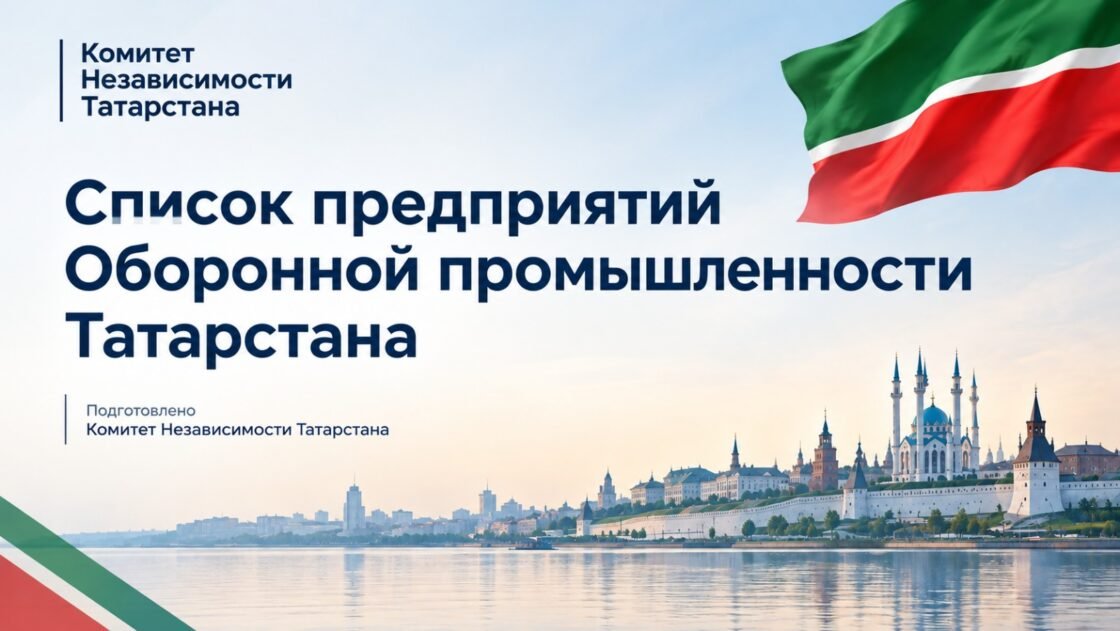
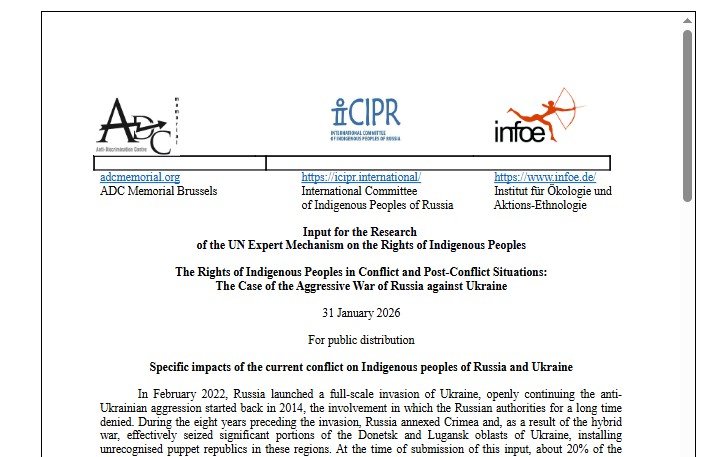
International human rights organisations note a surge in repressive pressure against indigenous representatives in conflict and post-conflict scenarios. It is becoming increasingly evident that restoring international law and achieving lasting peace in Eastern Europe are impossible without a fundamental revision of the status of enslaved nations within the Russian Federation and providing them with genuine guarantees of self-determination.