
Dear ladies and gentlemen, dear friends, representatives of enslaved nations in the struggle for freedom.
In preparation for this conference, I turned to history. And I came across the materials
of the ABN conference in Toronto in 1986. Forty years ago, it was entitled:
“National Freedom as an Alternative to Nuclear War.”
of the ABN conference in Toronto in 1986. Forty years ago, it was entitled:
“National Freedom as an Alternative to Nuclear War.”
Then, despite the aggression in Afghanistan, the world lived with illusions. Some politicians
spoke about the peaceful coexistence of two systems — capitalist and
communist. They demanded the lifting of sanctions and opposed the supply
of weapons to the mujahideen. And against the backdrop of Gorbachev’s coming to power, many
were convinced that Moscow was changing forever.
spoke about the peaceful coexistence of two systems — capitalist and
communist. They demanded the lifting of sanctions and opposed the supply
of weapons to the mujahideen. And against the backdrop of Gorbachev’s coming to power, many
were convinced that Moscow was changing forever.
But our predecessors saw the truth.
They knew: the empire does not reform. Totalitarianism does not become humane. It
only seeks to survive the crisis and waits for the moment for a new blow.
only seeks to survive the crisis and waits for the moment for a new blow.
At that time, the voice of the ABN seemed radical to many. But this voice turned out
to be true. It was those who were called “political emigrants,”
“anti-communists,” and “dreamers” who turned out to be people who understood the nature of Moscow imperialism better than many
.
to be true. It was those who were called “political emigrants,”
“anti-communists,” and “dreamers” who turned out to be people who understood the nature of Moscow imperialism better than many
.
They said that the Soviet Union was not a union of peoples, but a prison
of nations.
of nations.
They spoke about the right of enslaved nations to independence.
They spoke about the decolonisation of Russia, even when it was considered
impossible.
They spoke about the decolonisation of Russia, even when it was considered
impossible.
History has proven them right.
In 1991, the Soviet Union collapsed, and independent
states emerged from its ruins: Ukraine, Lithuania, Latvia, Estonia, Georgia, Armenia, Azerbaijan,
Moldova, and the states of Central Asia. For many, this seemed like the final
victory of freedom.
But today we see: the empire did not disappear — it only changed form.
After the collapse of the USSR, the world again believed in the myth of a “democratic Russia.” The West
wanted to negotiate with the Kremlin. It again began to seek “pragmatism” instead of
principles. It again began to trade with the empire, hoping that economic
cooperation would change its nature.
states emerged from its ruins: Ukraine, Lithuania, Latvia, Estonia, Georgia, Armenia, Azerbaijan,
Moldova, and the states of Central Asia. For many, this seemed like the final
victory of freedom.
But today we see: the empire did not disappear — it only changed form.
After the collapse of the USSR, the world again believed in the myth of a “democratic Russia.” The West
wanted to negotiate with the Kremlin. It again began to seek “pragmatism” instead of
principles. It again began to trade with the empire, hoping that economic
cooperation would change its nature.
But Moscow remained Moscow.
Transnistria. Two wars against independent Ichkeria. Georgia. Syria. Crimea. Donbas.
Full-scale invasion of Ukraine.
Full-scale invasion of Ukraine.
Wherever Russian imperialism appears, war, repression,
deportations, destruction, and death come.
deportations, destruction, and death come.
I remember the Soviet war in Afghanistan well. I was a schoolboy then, but
I remember the funerals of Ukrainian boys under red flags. We
were told that the Soviet army was “helping the fraternal Afghan people,”
that “the Americans want to install their missiles there,” that it was about “fighting
world imperialism.”
I remember the funerals of Ukrainian boys under red flags. We
were told that the Soviet army was “helping the fraternal Afghan people,”
that “the Americans want to install their missiles there,” that it was about “fighting
world imperialism.”
Today, Russia uses the same methods of lying. The same propaganda. The same
imperial myths. The same disregard for human life.
imperial myths. The same disregard for human life.
Russian leader Putin has been preparing for a major war for years. He has spent hundreds of
billions on the army and propaganda. He has built a global network of political
influence, financed loyal politicians, and supported radical movements and
terrorist regimes.
billions on the army and propaganda. He has built a global network of political
influence, financed loyal politicians, and supported radical movements and
terrorist regimes.
Today, we see the formation of a new global axis of evil—Russia, China, Iran, and
North Korea. This totalitarian bloc unites resources, technology, markets, and
military production.
North Korea. This totalitarian bloc unites resources, technology, markets, and
military production.
And it is Ukraine today that is the first to bear the brunt of this new imperial coalition.
But Russia has its weaknesses.
But Russia has its weaknesses.
Putin understands: the victory of Ukraine will be the beginning of the collapse of the modern Russian
empire. That is why the Kremlin is so afraid not only of the Ukrainian army, but also
of the awakening of enslaved nations.
Today, Moscow is fighting mainly at the expense of colonised peoples.
Dagestanis, Buryats, Tuvans, peoples of the Caucasus, Siberia and the Idel-Urals are paying
a disproportionately high price for this war. On average, a resident of Moscow dies in
war dozens and hundreds of times less often than representatives of non-Russian peoples.
For decades, Moscow has been sucking out the resources of the colonised territories:
Siberian gas, Yakut diamonds, Buryat gold, Idel-Ural oil,
rare earth metals, coal, forests and human resources.
empire. That is why the Kremlin is so afraid not only of the Ukrainian army, but also
of the awakening of enslaved nations.
Today, Moscow is fighting mainly at the expense of colonised peoples.
Dagestanis, Buryats, Tuvans, peoples of the Caucasus, Siberia and the Idel-Urals are paying
a disproportionately high price for this war. On average, a resident of Moscow dies in
war dozens and hundreds of times less often than representatives of non-Russian peoples.
For decades, Moscow has been sucking out the resources of the colonised territories:
Siberian gas, Yakut diamonds, Buryat gold, Idel-Ural oil,
rare earth metals, coal, forests and human resources.
This is what the modern Russian empire is built on.
We must be blunt: these riches should belong to the nations that
live on these lands, not to the imperial centre in Moscow.
live on these lands, not to the imperial centre in Moscow.
That is why today the Anti-Imperial Block of Nations is a continuation of the historical
tradition of the Anti-Bolshevik Bloc of Nations.
tradition of the Anti-Bolshevik Bloc of Nations.
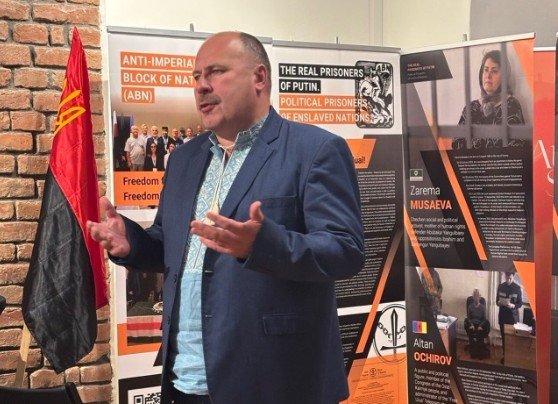
I am proud to have the honour of leading the ABN at this historic moment and
continuing the work of Yaroslav Stetsko and the generation of fighters who here in Toronto
40 years ago formed the international front of the struggle against the Muscovite
empire.
continuing the work of Yaroslav Stetsko and the generation of fighters who here in Toronto
40 years ago formed the international front of the struggle against the Muscovite
empire.
Today we directly declare:
Our goal is the final elimination of Russian imperialism.
We are convinced:
Without the victory of Ukraine, there will be no freedom for other peoples.
Without the liberation of enslaved nations, there will be no lasting peace in the world.
Without the decolonisation of Russia, the threat of new wars and new nuclear
blackmail will not disappear.
We are not only talking about Ukraine.
We are talking about Ichkeria.
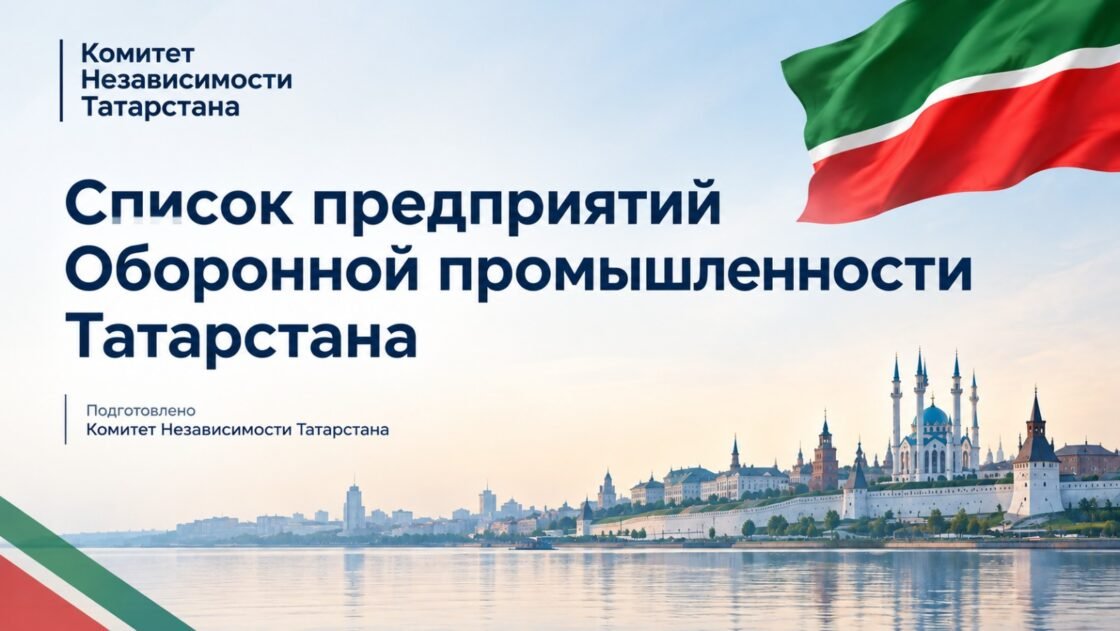
About Tatarstan.
About Bashkortostan.
About the nations of the Caucasus.
About the nations of Siberia.
About the enslaved nations of Central Asia.
About all those who are today deprived of the right to be masters of their own land.
Today, it is especially important to support representatives of enslaved nations
in exile, their organisations, media, and political and representative structures.
Without the liberation of enslaved nations, there will be no lasting peace in the world.
Without the decolonisation of Russia, the threat of new wars and new nuclear
blackmail will not disappear.
We are not only talking about Ukraine.
We are talking about Ichkeria.
About Tatarstan.
About Bashkortostan.
About the nations of the Caucasus.
About the nations of Siberia.
About the enslaved nations of Central Asia.
About all those who are today deprived of the right to be masters of their own land.
Today, it is especially important to support representatives of enslaved nations
in exile, their organisations, media, and political and representative structures.
Moscow never voluntarily released enslaved nations.
Therefore, the struggle will continue.
But we know: all empires are doomed.
And today, like decades ago, we repeat the main slogan of the ABN:
FREEDOM FOR NATIONS!
FREEDOM FOR THE INDIVIDUAL!
FREEDOM FOR THE INDIVIDUAL!
For your and our freedom!
Glory to Ukraine!
Glory to Ukraine!