
To criticize an idea, it is necessary to make a caricature of it, then it is easy to make fun of it. This is how the idea of the collapse of the Russian Empire is criticized. Therefore, in the morning I decided to write about several typical myths.
No, Russia will not collapse quickly. The process of loosening the “fasteners” is taking place quite slowly, especially given the fact that the main “fastener” is money, and Russia can still circumvent a significant part of the sanctions. And even after that, the motley country will be held by inertia, so some kind of trigger, beauties such as Pryhoszyn 2.0 will be needed.
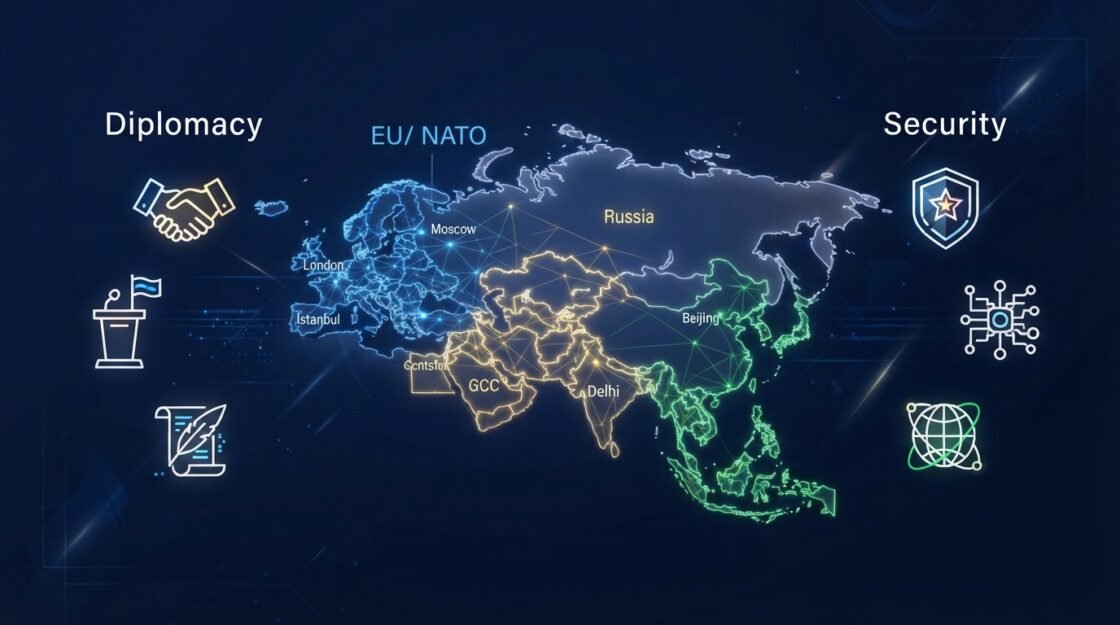
No, the collapse of Russia will not happen by itself. This requires systematic efforts on our part, primarily at the front, but not only. Ukraine should become the centre of the struggle of the indigenous enslaved nations of the Russian Federation for freedom and independence. Also, a co-author of the new system of collective security in Europe.
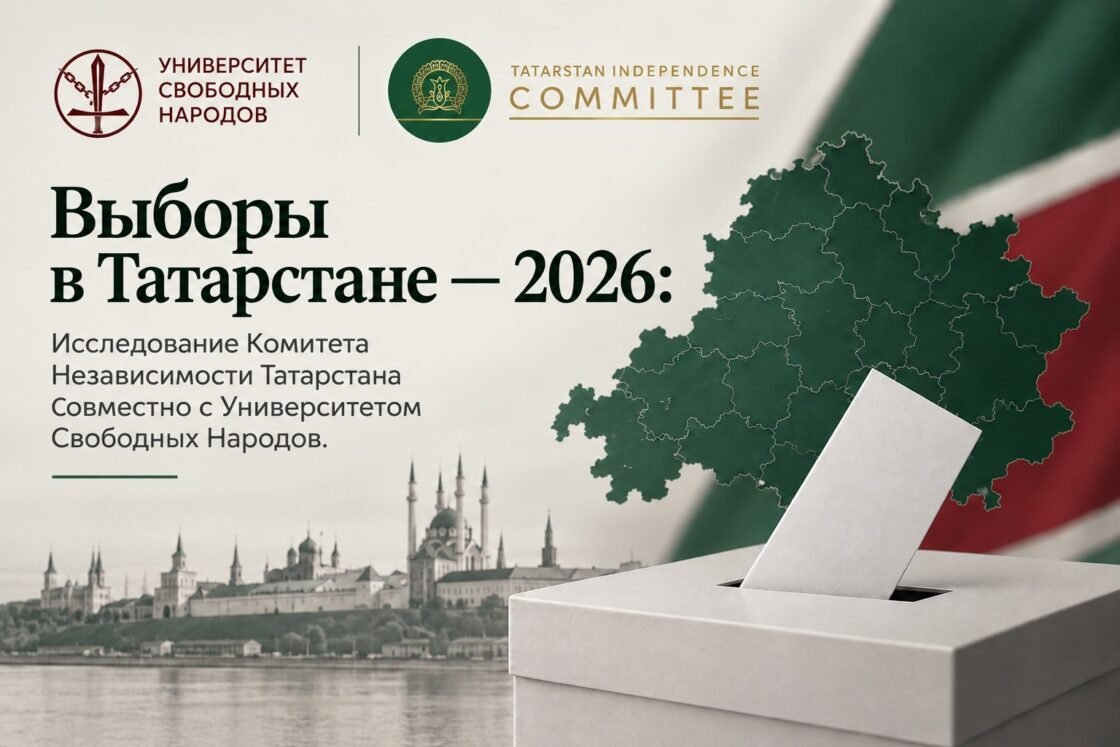
No, it is not only about national republics. Many newly independent states will not have an ethnic basis, their basis will be strong regionalism, like Ingria or Siberia. In its model of colonization, Siberia is closer to Australia than to Tatarstan. But the ethnic republics will become a model for others.
No, it will not be too similar to 1991. A different combination of factors produces a different development trajectory. First, the disintegration into 30-40 ill-defined parts cannot happen the same way as a disintegration into 15 well-defined parts. There will be no strong leaders of the process like the then RSFSR or Ukrainian SSR. There will also be certain signs of 1917.
No, the new national democratic leaders will not become the first presidents. A key role in the collapse of the empire will be played by Putin’s current regional elites, just like the communists in 1991. But national liberation movements are extremely important, they give a picture of the future and they will take up their plus or minus 15% in the first free parliamentary elections.
No, not all countries will follow the same path. The trajectories will be very different in Sakha (Yakutia), the Chechen Republic of Ichkeria, Bashkortostan, etc. In 1991, Estonia, Ukraine, and Uzbekistan went their separate ways.
No, not all countries will have European values. Saha and Tiwa are much closer to Japan and South Korea than to France or Lithuania. But Japan and South Korea are democratic, economically developed countries.
No, not all countries will become democracies, and certainly not immediately. We have been following this path for more than 30 years, and we are not yet a full-fledged democracy. But it also depends on us who will become the allies of the new states, and this will affect their trajectory.
Therefore, it makes no sense to talk about a quick automatic collapse according to the patterns of 1991 and an easy way to democracy and prosperity. However, this does not mean that the last empire of the world can survive the current war. The collapse process is inevitable, and its speed and format depend, among other things, on us.
Valerii Pekar
Facebook