Not a change of rulers, but the right to choose a future
On 16 October 2025, the Free Nations League issued a statement responding to the Parliamentary Assembly of the Council of Europe’s decision to establish a dialogue platform with so-called “Russian democratic forces.” The alliance said that its members did not consider themselves part of a Russian political nation and did not associate their peoples’ future with the Russian Federation, either in its current form or after reform. Their stated objective is liberation from Moscow’s colonial control and the establishment of independent national states. This is the position of a particular alliance, not automatically the position of every resident of the regions concerned. FNL statement.
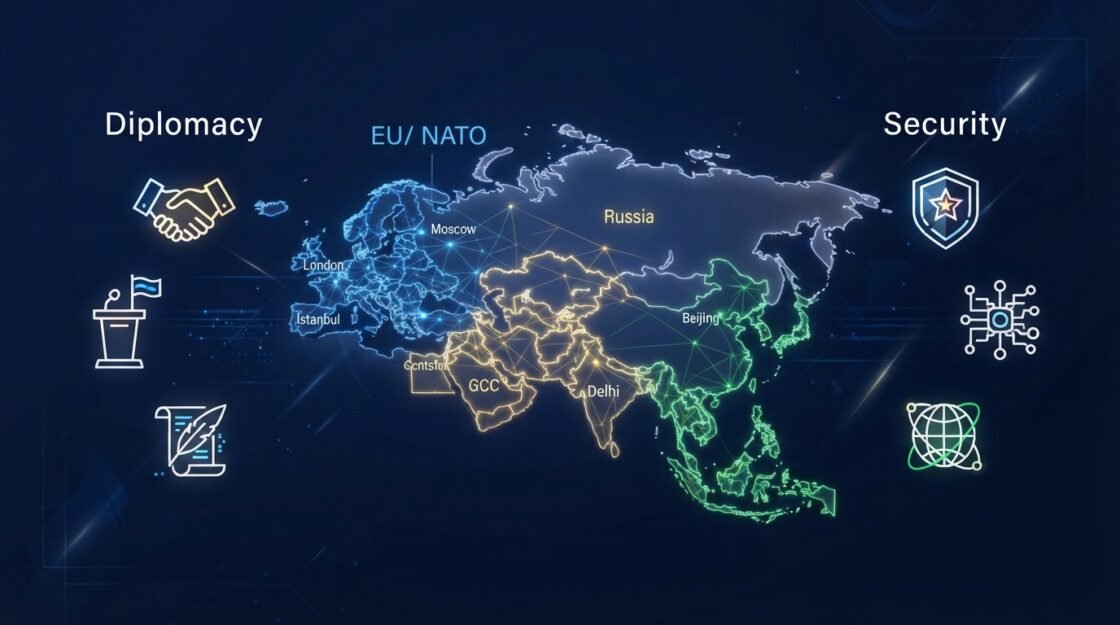
The distinction between two political projects is fundamental. One seeks to democratise the centre while preserving a single state. The other challenges the centre’s claimed authority to determine the political future of other peoples. If Tatars, Bashkirs, Sakha, Buryats, Chechens and others are invited only to discuss the future of a “democratic Russia,” their right to self-determination is once again postponed.
Representation is not Moscow’s privilege
No opposition group acquires the right to speak for all peoples merely by opposing the Kremlin. Political legitimacy must come from the communities themselves: their organisations, citizens and representative institutions. International forums should hear these voices directly, without intermediaries lacking an appropriate mandate.
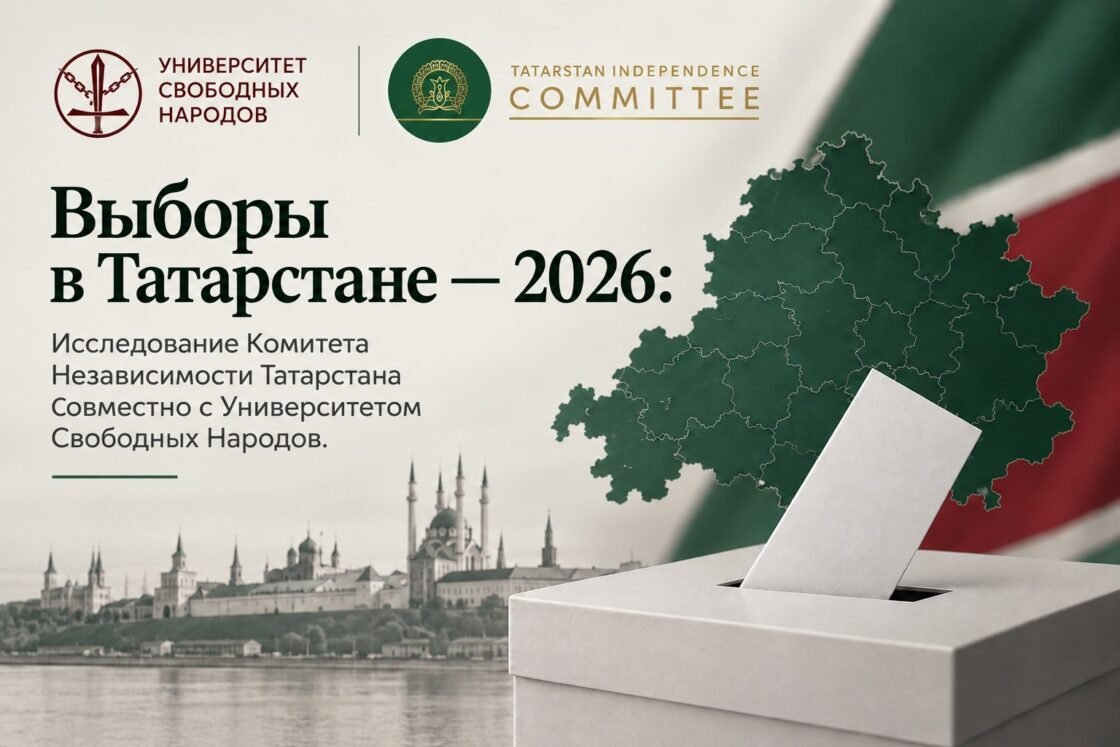
The Free Nations League lists Bashkir, Buryat, Circassian, Erzya, Oirat-Kalmyk, Sakha and Tatar movements among its members, as well as other participating movements. It advocates independent statehood, international recognition, decolonisation and preventing the restoration of empire. This is the programme of a political alliance; it does not prove that every named people already shares one unified position. About the FNL.
Freedom must not become a new form of discrimination
Self-determination is not a licence for ethnic revenge. The FNL statement specifically says that ethnic Russians living in national republics and regions may take part in future dialogue if they recognise the peoples’ right to independence, self-determination and peaceful development. Dismantling an imperial system must not mean persecuting individuals because of their ancestry.
Conclusion. “Freedom for nations! Freedom for the individual!” requires more than symbolic seats at international conferences. It requires a real political voice. The future of the post-imperial space must be shaped through the free will of its peoples. Freedom cannot be built by once again denying someone the right to speak for themselves.