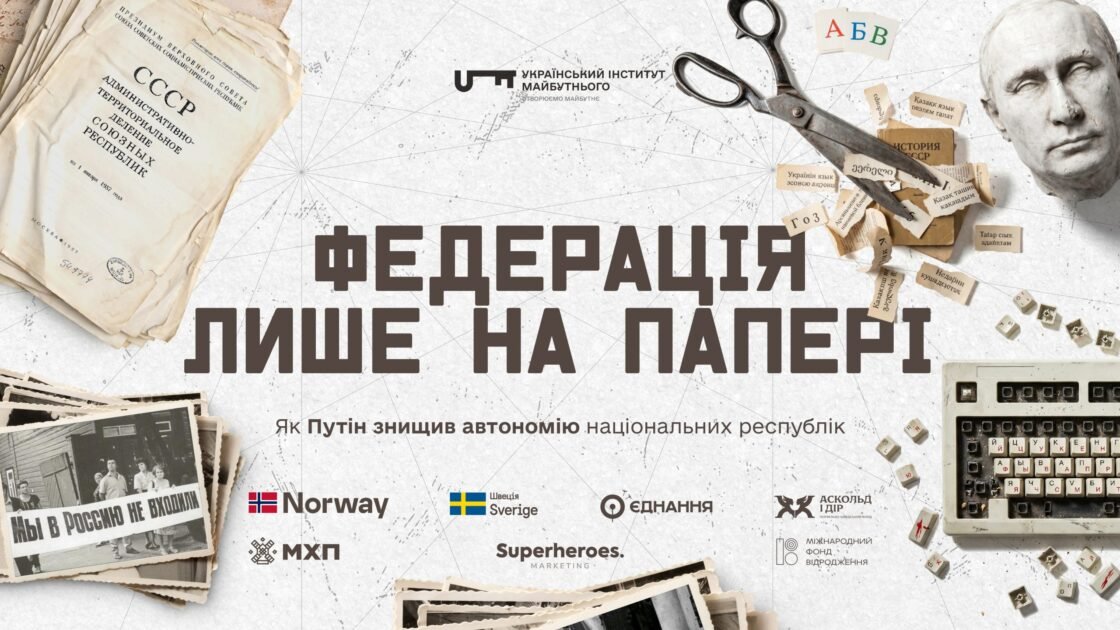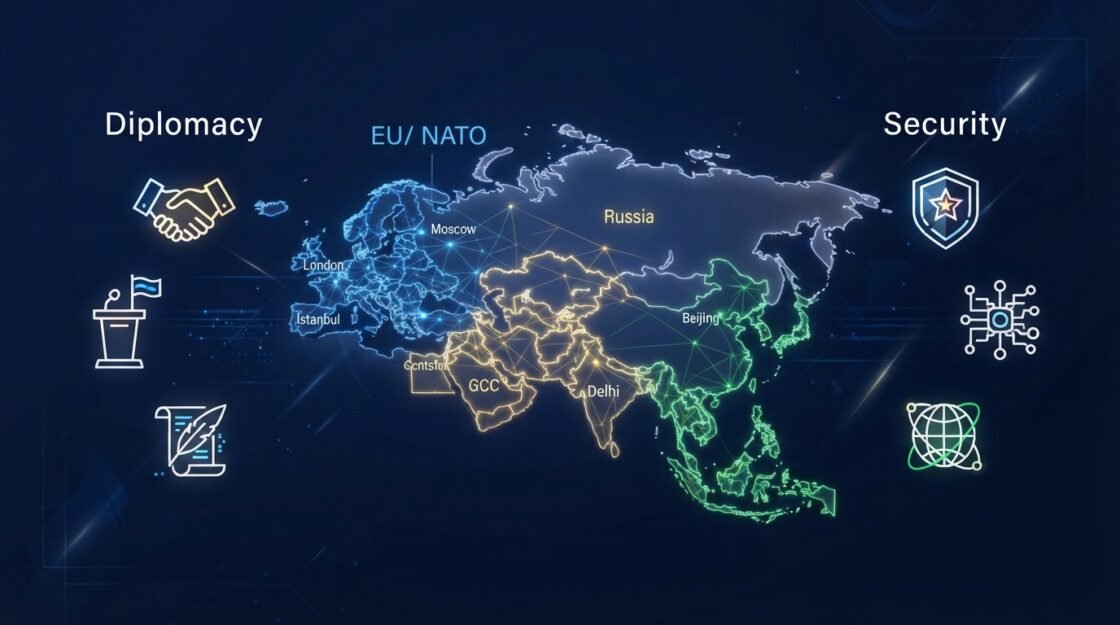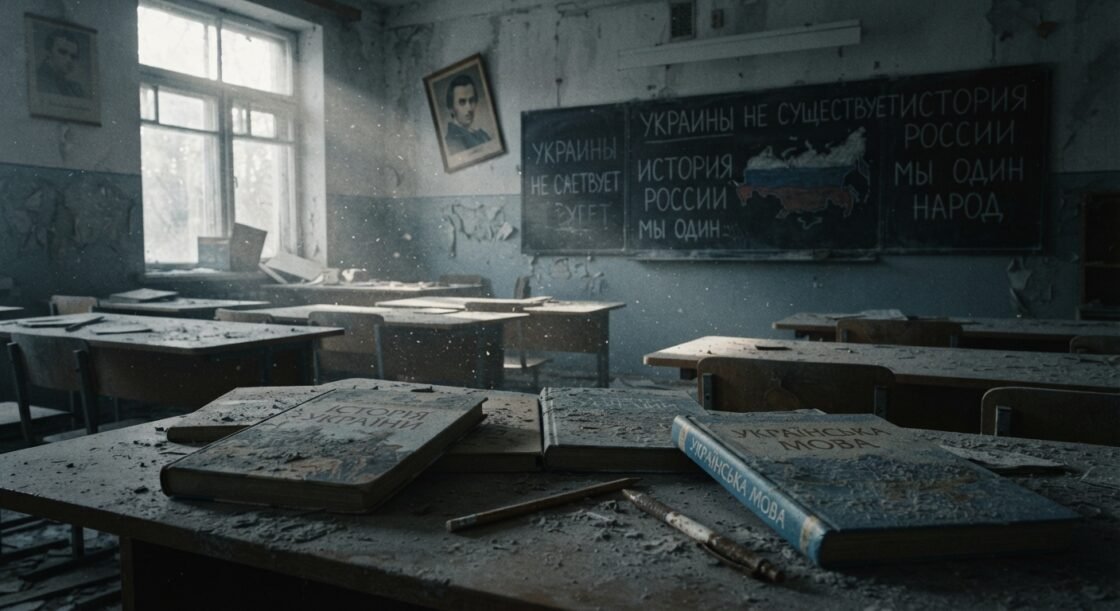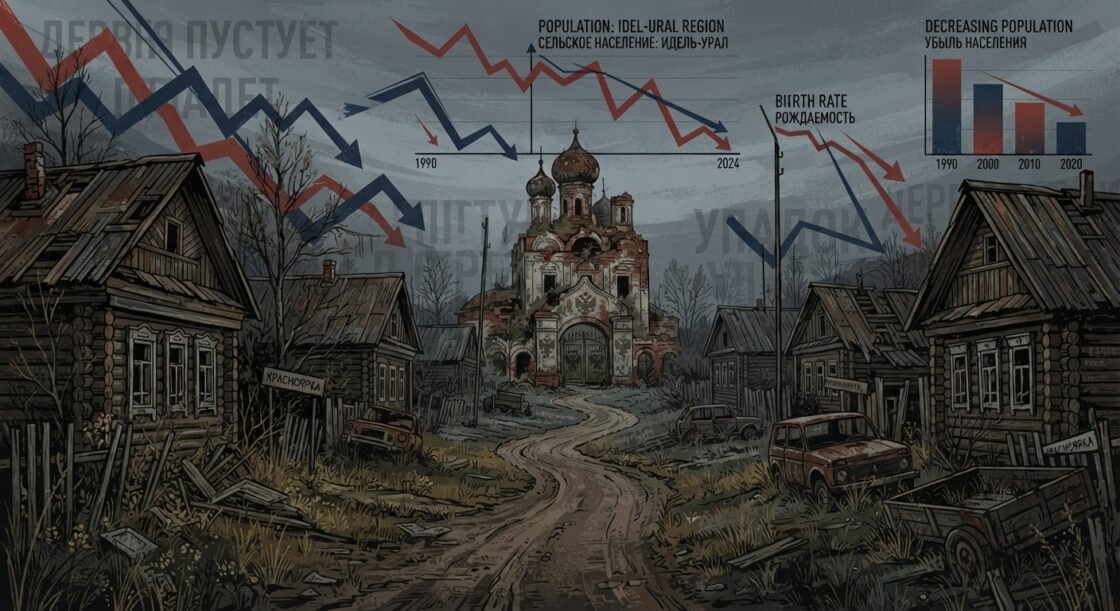
Practical scenarios for the controlled disintegration of the Russian Federation are increasingly being discussed in Western expert and political circles. The fear of uncontrolled chaos, which for decades has restrained the United States and the European Union from supporting national liberation movements, is gradually giving way to the understanding that the preservation of the empire in its current form is the main source of global instability.
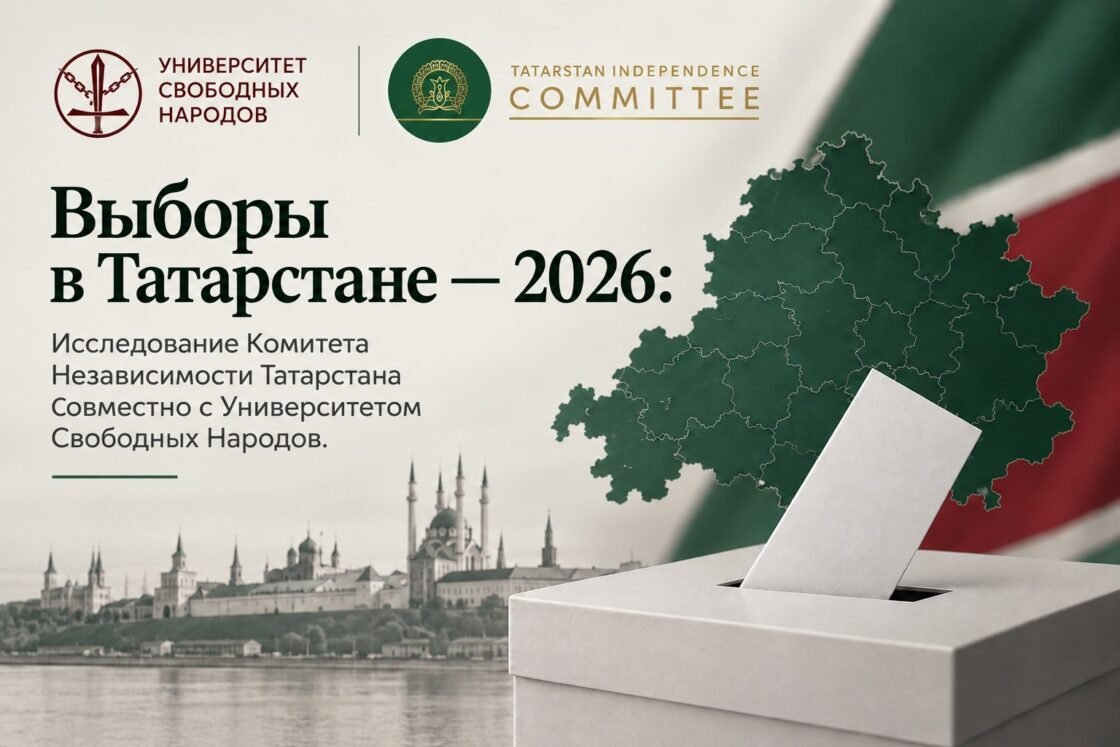
International conferences and hearings in European parliaments with the participation of representatives of enslaved peoples are shaping a new political reality. Western diplomats are beginning to view the national committees of the Idel-Urals, the Caucasus, Karelia, and Siberia not as marginal groups, but as future legitimate partners capable of guaranteeing denuclearization and respect for human rights in their territories.
The main task of the liberation movements at this stage is to strengthen horizontal ties between them and present Western capitals with clear roadmaps for the transition period after the collapse of the Moscow regime.