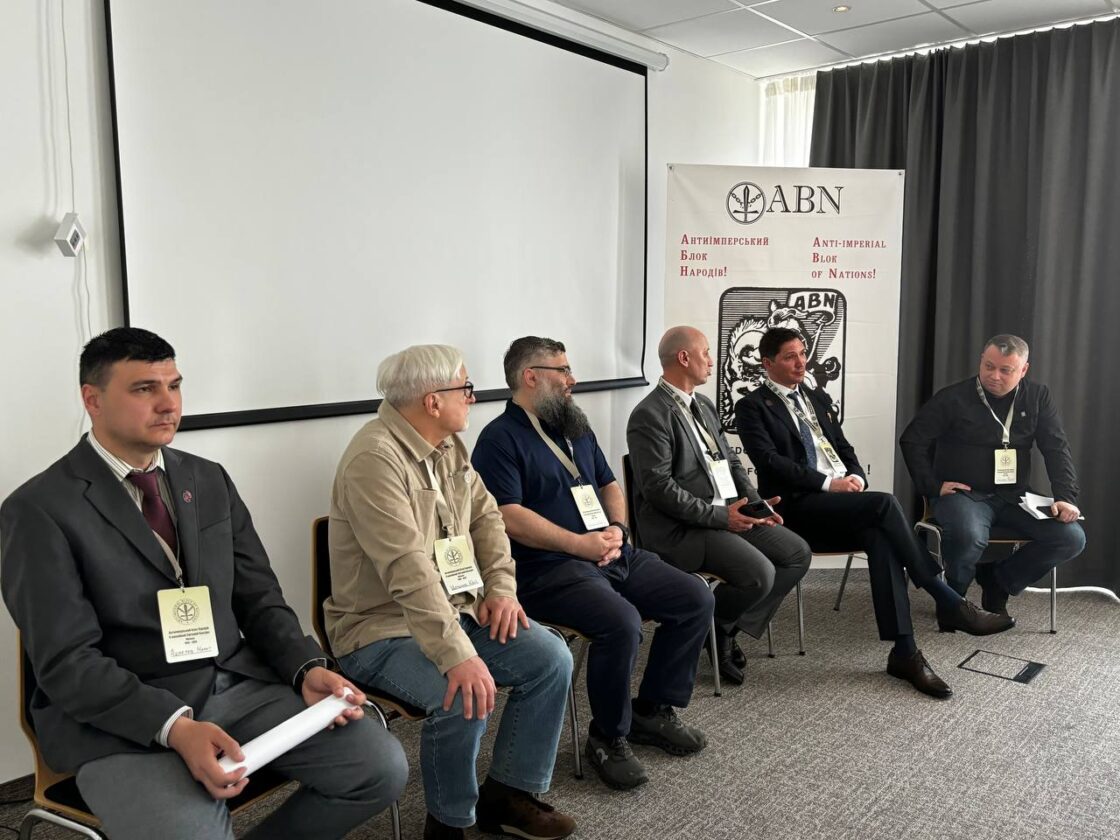
“Freedom for nations! Freedom for the individual!” – this is the slogan of the Anti-Imperial Block of Nations.
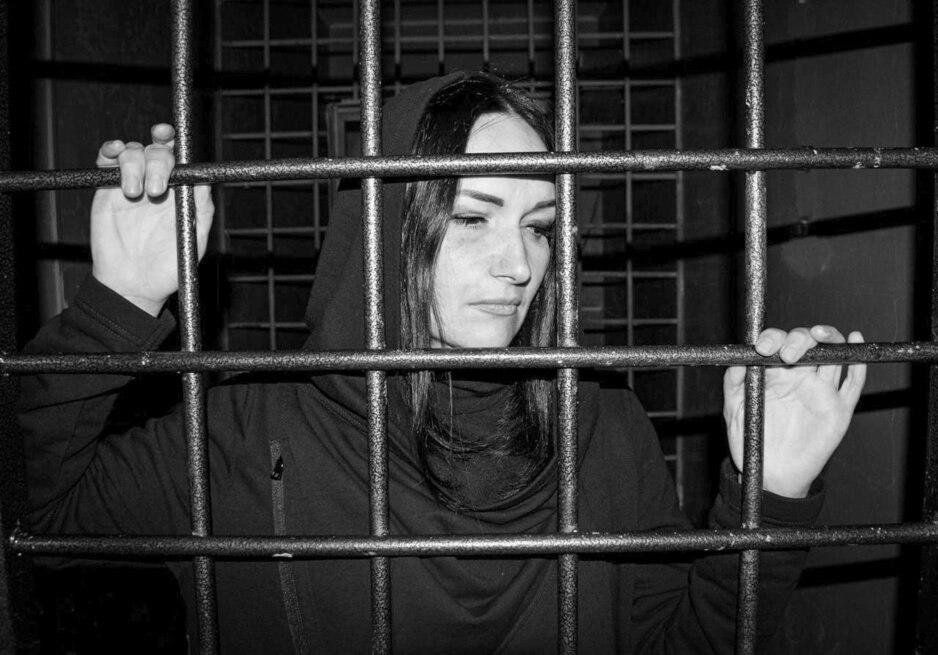
Without individual freedom, democracy, nations and peoples are not free. Especially when totalitarian regimes suppress dissent and imprison the leading strata of society: politicians, journalists, public activists, and representatives of national minorities. That is why we at the ABN are working to release political prisoners.
In early 2026, the process of releasing political prisoners in Venezuela began. This happened, in particular, due to the arrest of the Venezuelan dictator Maduro. The Venezuelan government was forced to release those prisoners whom international human rights organisations consider prisoners of conscience.
At the end of last year, the Belarusian dictator Lukashenko also released two dozen people from prison who were imprisoned for political reasons and were serving long sentences.
The general trend of releasing political prisoners, as well as the long-term negotiations between the United States and the Russian Federation, indicate that we should hope for another major exchange of prisoners between the civilized world and the Moscow dictator.
We applaud the efforts of the US authorities to release political prisoners and ask that this work not be stopped, especially regarding the Russian Federation, which has long since become a prison of nations.
The Anti-Imperial Block of Nations, which is conducting consistent human rights activities to release political prisoners representing national liberation movements of the enslaved nations of the Russian Federation, believes that they deserve priority release from Moscow prisons.
There are thousands of such prisoners.
We are talking about hundreds of Chechen soldiers who have been in unbearable prison conditions since the end of the Moscow-Chechen wars. The Kremlin qualifies them as terrorists, although they were all soldiers of the army of the Chechen Republic of Ichkeria, which declared its independence on 6 September 1991.
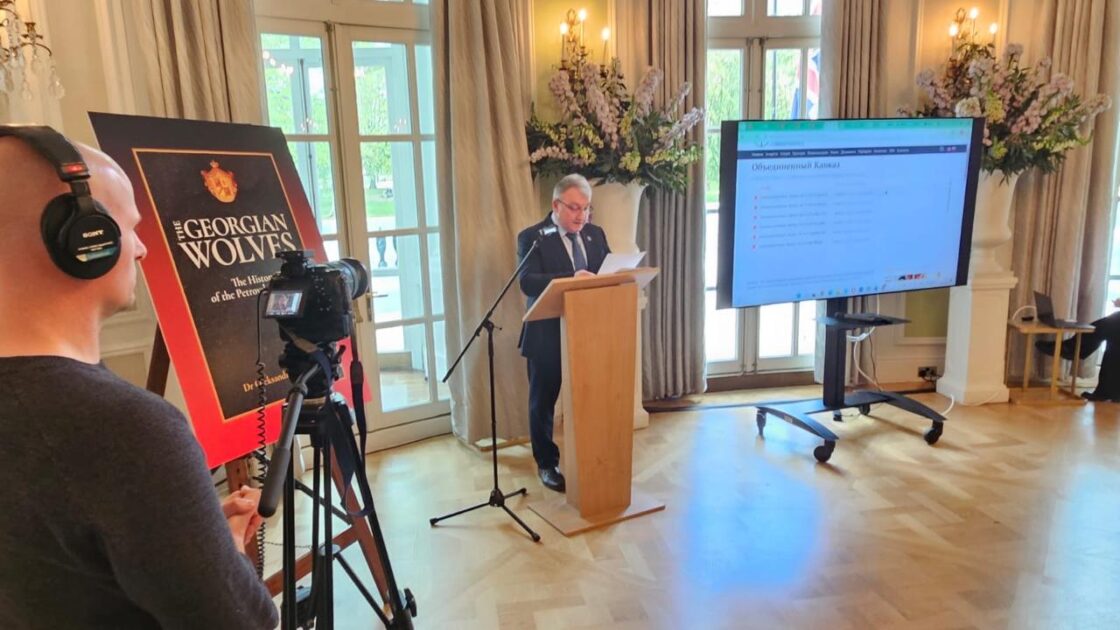
Other political prisoners of enslaved nations who need to be released or exchanged for the West are activists of national liberation movements. For more than a year, the Anti-Imperial Block of Nations has been informing the civilized world about them as part of the human rights project “Putin’s Real Prisoners,” which was presented in the USA, Canada, and more than twenty EU countries.
These are political prisoners of the Bashkir, Tatar, Karelian, Altai, Kalmyk, Yakut, and other indigenous peoples of the Russian Federation who are in prisons and detention centres.
Particular attention should be paid to imprisoned Ukrainians: both citizens of Ukraine captured during the Russian aggression and ethnic Ukrainians who are citizens of the Russian Federation.
The Anti-Imperial Block of Nations appeals to the state authorities of the United States of America and the governments of the EU countries with a request to intensify work on the release of prisoners of conscience from Russian prisons and concentration camps.