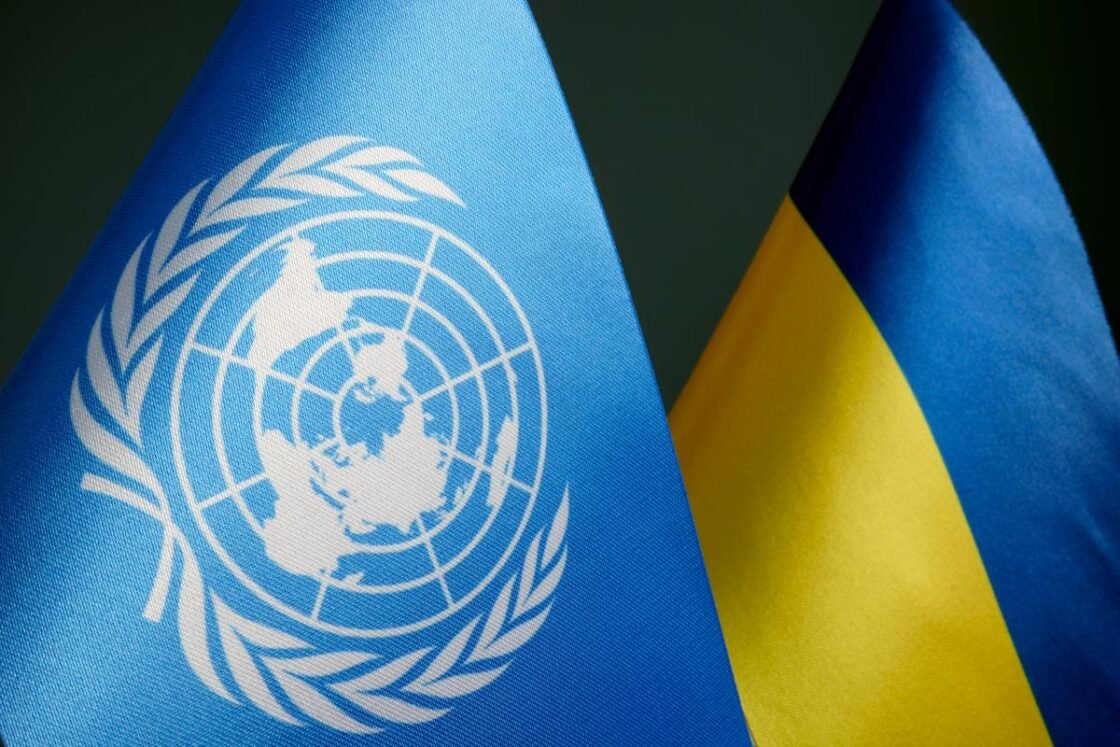
Russia must cease its aggression against Ukraine and ensure the complete, immediate and unconditional withdrawal of all its forces and military equipment from the whole territory of Ukraine within its internationally recognised borders, according to a joint statement issued during the general debate of the First Committee of the 81st session of the UN General Assembly.
The document was supported by 47 countries, including Australia, Austria, Canada, France, Germany, Hungary, Italy, Japan, and the United Kingdom.
The statement emphasises that “no territorial acquisition resulting from the threat or use of force can be recognised as legitimate.” It also condemns Russia’s continued attacks that result in the killing of civilians and the destruction of facilities, including critical energy infrastructure.
“We emphasise that Russia’s repeated attacks seriously undermine the energy security of Ukraine and its people, especially as winter approaches. Such attacks, carried out against the backdrop of international efforts aimed at restoring a comprehensive, just, and lasting peace in Ukraine, reveal Russia’s true goals and intentions, demonstrating a lack of genuine interest in ending its aggressive war,” the statement said.
The signatories of the statement called on Russia to agree to a complete and unconditional ceasefire as a first step towards restoring peace.
“We reiterate our demand that Russia cease its aggression against Ukraine and ensure the complete, immediate, and unconditional withdrawal of all its forces and military equipment from the entire territory of Ukraine within its internationally recognised borders,” the document states.
It also condemns the continued military support provided by Belarus, Iran, and the Democratic People’s Republic of Korea (DPRK), which allows Russia to continue its illegal war of aggression against Ukraine.
About the Zapadnaya NPP captured by Russia
The statement emphasises that Russia’s seizure, occupation, and militarisation of the Zaporizhzhia Nuclear Power Plant (ZNPP), combined with its repeated large-scale attacks on Ukraine’s energy infrastructure, have significantly increased risks to nuclear security, with potential consequences far beyond Ukraine’s borders.
“We strongly reject any attempts to restart the reactors at the Zheleznodorozhny NPP while it remains under Russian occupation and the necessary conditions for safe and reliable operation, based on well-established nuclear safety principles, are not met,” it said.
It is noted that the nuclear safety situation at the station remains extremely unstable, and the risk of a serious nuclear accident is increasing.
The document demands that Russia immediately cease all military activities affecting nuclear facilities and associated civilian infrastructure, withdraw its military, equipment, and other unauthorised personnel from the Zheleznodorozhny NPP. Full control over the plant by the competent Ukrainian authorities must be immediately restored.
Five ceasefire formats
As UNIAN reported, the spokesman for the Ministry of Foreign Affairs of Ukraine, Heorhiy Tykhyi, noted that Ukraine is ready to consider five different ceasefire formats. He noted that, first of all, we are talking about a full and unconditional ceasefire , which Ukraine agreed to back in March 2025.
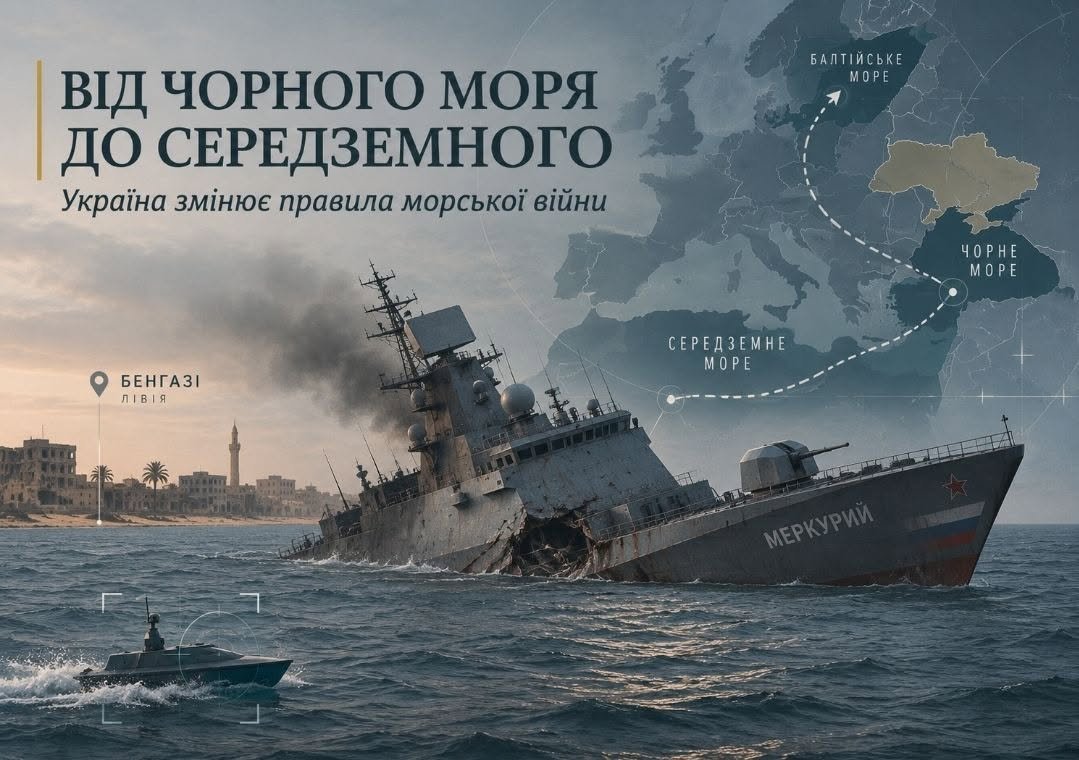
According to him, there are also second and third formats that Turkey and Egypt are working on with the participation of Ukrainian diplomats, which concern the Black Sea. The second format is the Black Sea, that is, it is about maritime safety. The third format is food security in the Black Sea. According to him, India is actively involved in this proposal.
The fourth format is an energy truce. Tykhyi noted that constructive steps are needed from the Russian side.
Tykhyi emphasised that there is also an American direction for the energy truce, which was discussed between Ukrainian President Volodymyr Zelensky and American leader Donald Trump.
УНІАН