

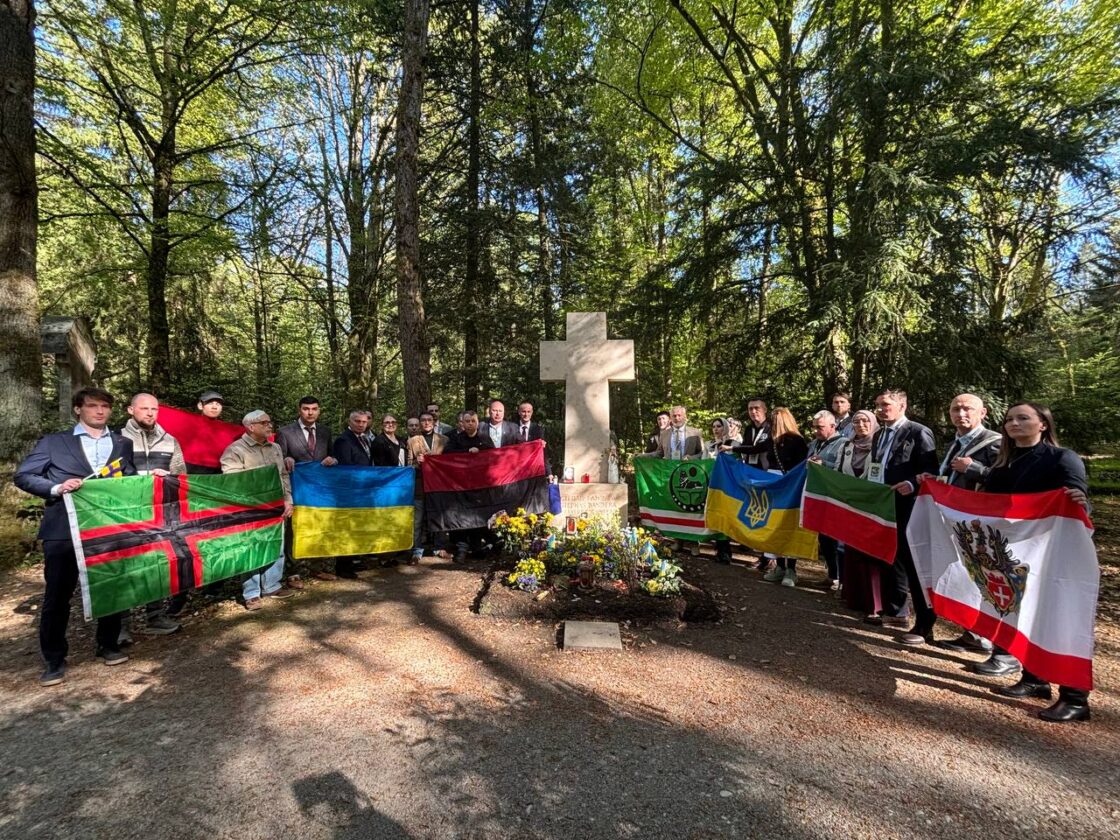
In the context of the ups and downs with Poland, Slovakia, and before that, and perhaps again in the future, with Hungary, it is worth looking at the topic of the enslaved nations in modern Russia. Add to this the near victory in the last elections in Romania of pro-Russian populists…
Whatever scenario events unfold in the future (a “freezing” of the war with unclear prospects or the victory of Ukraine and the inevitable collapse of the Russian Federation), we will face a new historical challenge – consolidating our new regional status in an already new role.
Let’s put it mildly, probably not all of our closest Western neighbours dream of Ukraine becoming a charismatic regional power following the war with Russia. Each of them probably had their own plans for this, but the situation is probably developing a little differently than they saw it. Instead of becoming weaker and a less significant donor of resources, Ukraine has a chance to become much more successful and visible in the world, a desirable partner for the planet’s leading powers. This, of course, does not please some of those in the neighbourhood.
So what are the enslaved peoples for in today’s Russia? The logic is obvious – Ukraine will need reliable natural allies nearby who are interested in a super-powerful Ukraine. And in addition to the Baltic states, it is obvious that such interested natural allies will be the temporarily occupied peoples of the North Caucasus and other enslaved nations in the Russian Federation. Each of them needs us precisely as a leader and the basis for the formation of a new geopolitical structure in the region after the collapse or decline of modern Russia. And these are not dreams, but my conclusion from many observations and conversations with leaders of national liberation movements.
If we look at the map, the two fulcrums for us in the future are the Baltic and the Black Sea, with an emphasis on the Black Sea. Someone here will quite appropriately recall Yuriy Lypa’s famous work “The Black Sea Doctrine”, with notions that contain many valid arguments on this subject.
So when it comes to the enslaved peoples in the Russian Federation who have preserved their identity, we need to look at this issue not with the post-Soviet perspective of stigma and prejudice, but with a wise vision of a future that will be significantly different from what is now. No matter how strong we are, we will need reliable allies with whom we will improve both the region and the world.
In thinking about this, both the upcoming changes in Belarus and the final liberation of Georgia from the Russians are of great importance.
Mykhailo Basarab






