

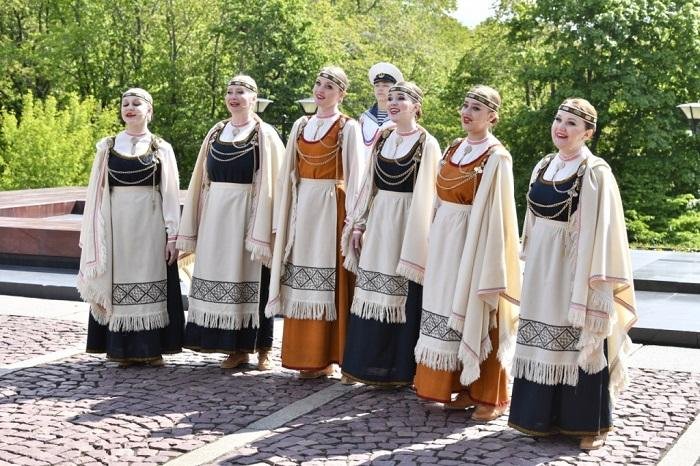
On 8 September 2026, Yandex Translate added the Karelian language. More than 86,000 parallel sentences were supplied for the language model, along with around 100,000 additional text fragments to expand its linguistic context. Russian authorities present the project as an effort to preserve Karelia’s linguistic heritage.
At first glance, this looks like positive news.
But a paradox emerges: a language can be added to a translator much faster than a people can regain political agency.
Karelian has existed for centuries under heavy Russian pressure. Today, according to the service developers, around 14,000 people speak it. This means that the issue is not merely technological convenience, but the survival of a language facing a serious decline in its speaker base.
And that raises a deeper question.
Is it enough to preserve Karelian as a cultural language if Karelians themselves do not have full political influence over the future of their homeland?
The question is not new. During the collapse of the Russian Empire, in 1918 the Ukhta movement emerged and raised questions about Karelia’s political future. Historians also identify the idea of an independent Karelia as part of the mature Karelian national movement of 1919.
That tradition has not disappeared.
The Free Karelia movement advocates a self-governing and sovereign Karelia and states that, if Moscow continues its centralized and colonial model, Karelia should be entitled to hold an independence referendum.
This is not the position of all Karelians. But the very existence of such a political discourse is significant.
Decolonisation does not begin when a flag changes.
It begins when a people stop accepting the centre’s right to decide its destiny as something natural and permanent.
That is why the arrival of Karelian in the digital world is more than a technological story.
Karelian is speaking again. And with it comes another question: will Karelia one day have the right to speak not only in its own language, but in its own political voice?






