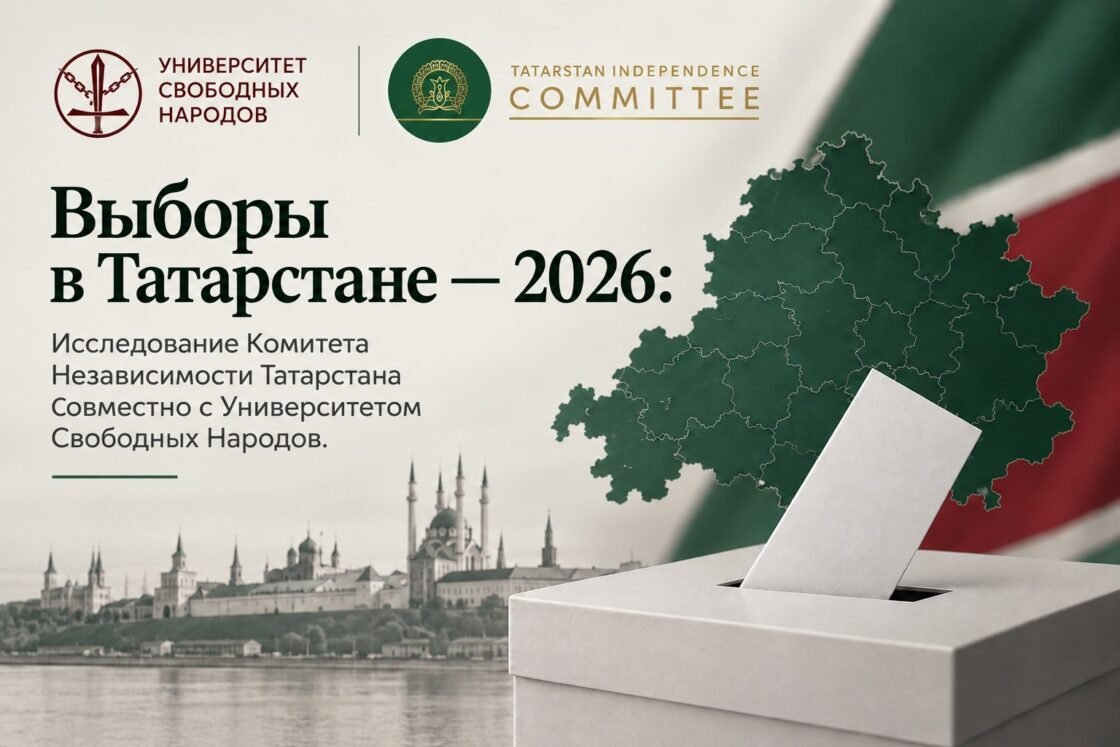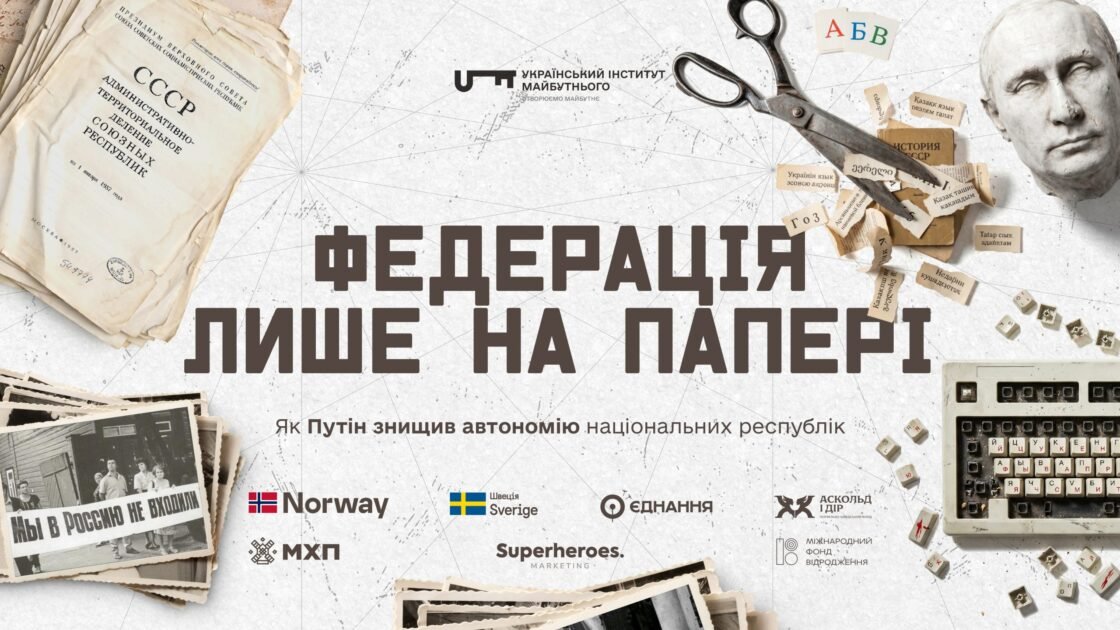
Recent consultations among representatives of the Tatar, Bashkir, Chuvash, and Erzya national movements demonstrate a qualitative transition from defending language and cultural rights to shaping a shared political agenda. Years of systemic pressure from the federal center, the abolition of mandatory native language instruction in schools, and the liquidation of regional parties have forced activists to realize that preserving ethnic identity is impossible within a centralized imperial system.
A key factor driving this alignment has been joint resistance to mobilization pressure and resource extraction from the Idel-Ural regions. By coordinating their actions abroad and underground, national committees are forging a vision for the upcoming transition period. They insist that following the collapse of the current Kremlin regime, relations between the sovereign republics of the Volga region must be built on equal confederative agreements or full self-determination without Moscow’s arbitration.
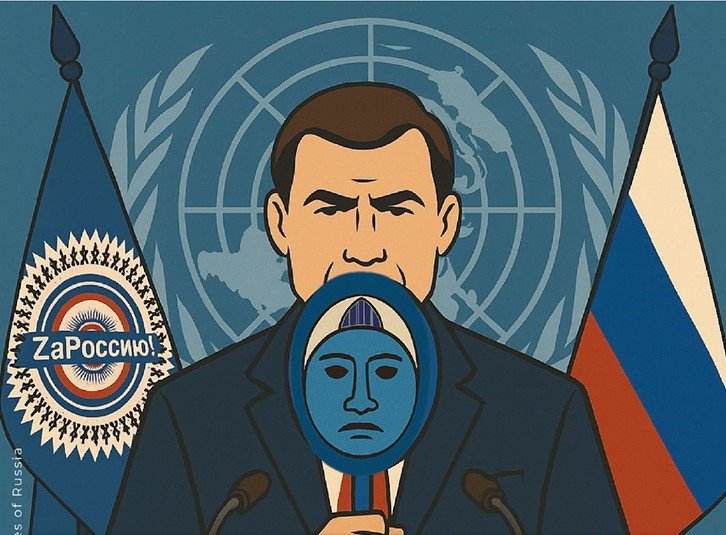
The growing political agency of regional movements causes deep concern in the Kremlin, which attempts to brand any coordination between republics as “extremism.” However, the creation of joint coordinating councils and regular dialogue with international institutions prove that the Volga region will no longer be viewed as an obedient province, but will act as an independent player in the future reshaping of the Eurasian space.
Source Link: Idel.Realities — Idel-Ural Region News and Analytics