Formal recognition is not genuine self-government
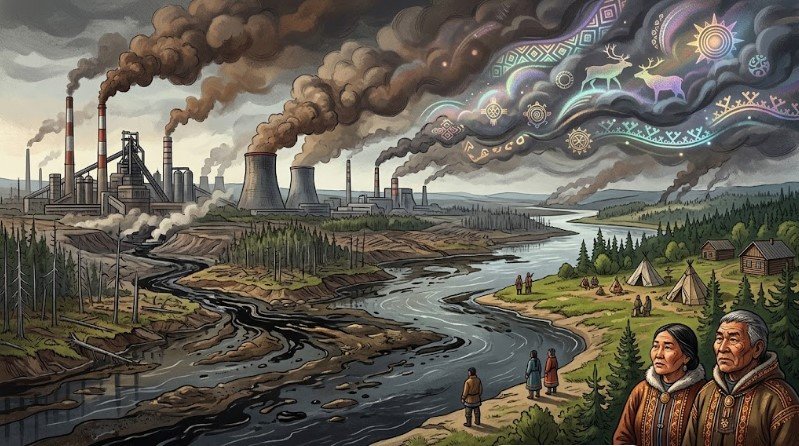
In The Indigenous World 2026: Russia, the international organisation IWGIA examines the situation of Indigenous Peoples in Russia. According to the report, Russian legislation does not recognise Indigenous Peoples as a general legal category, instead using the narrower designation “Indigenous Small-Numbered Peoples.” The report also highlights the prosecution of activists, conflicts surrounding extractive projects on Indigenous lands, bureaucratic obstacles to traditional livelihoods and declining opportunities for education in native languages. IWGIA, 2026.
This matters because cultural rights cannot be reduced to commemorative days, festivals or official speeches about a multinational society. If a community has no effective influence over decisions concerning its land, if activists risk prosecution and children lose opportunities to study their languages fully, formal recognition does not amount to meaningful freedom.
Land is more than an economic asset
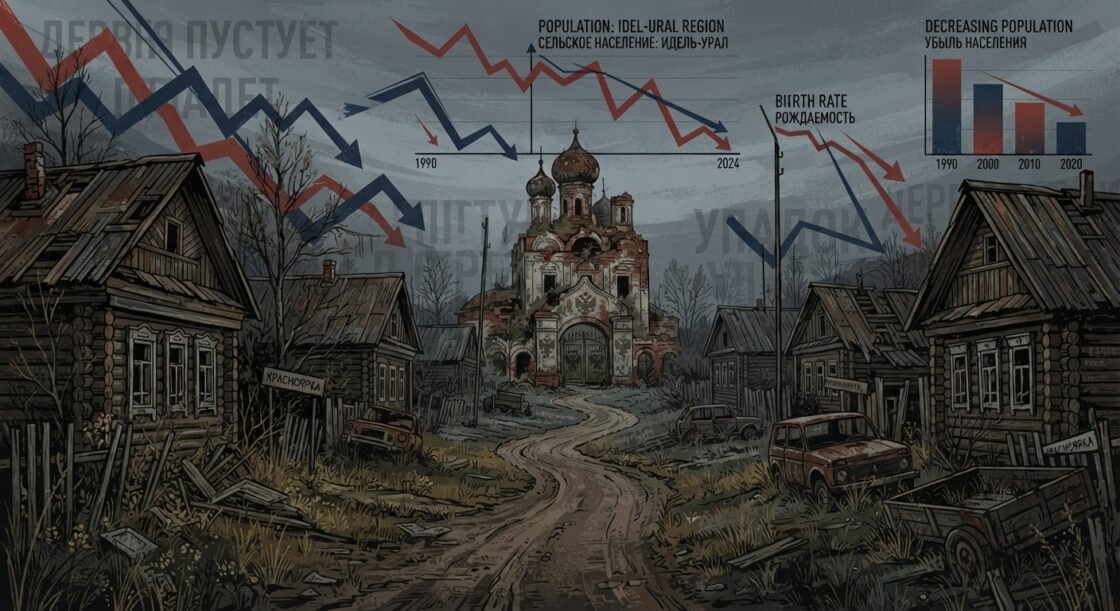
For many Indigenous communities, land is the foundation of livelihoods, cultural memory, traditional resource use and the transmission of knowledge between generations. An extraction project approved without meaningful community participation can change not only a district’s economy but also the community’s ability to sustain its traditional way of life.
IWGIA’s 2025 report noted that Russian legislation provides certain consultation rights for the officially defined category of Indigenous Small-Numbered Peoples, but does not establish free, prior and informed consent as a general legislative guarantee. The report also described centralisation and the weakening of some legal protections. IWGIA, The Indigenous World 2025.
Language freedom is part of political freedom
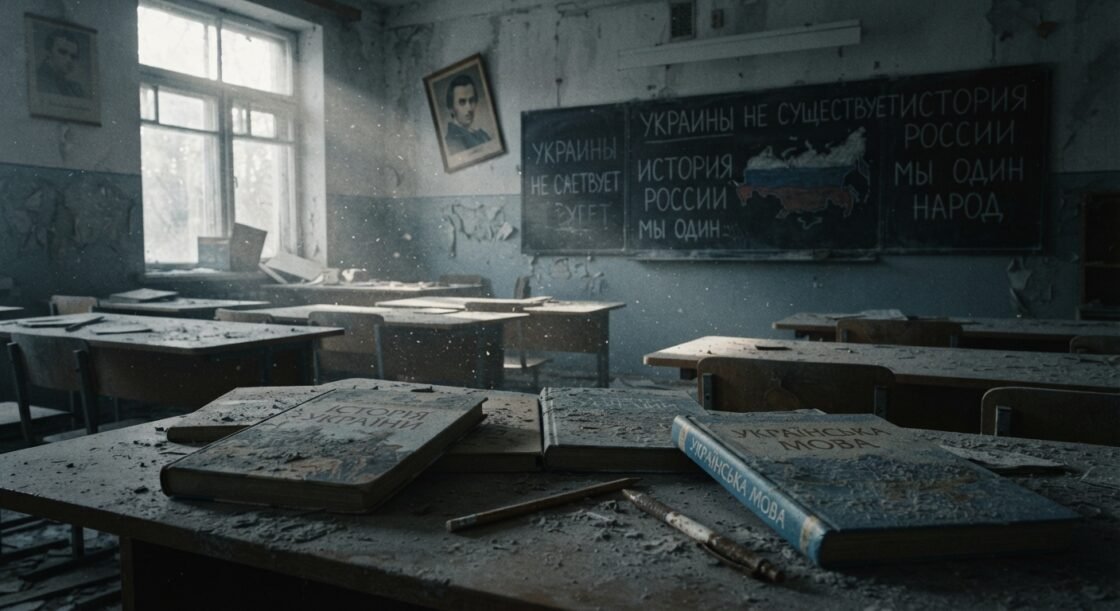
A language is not an optional decoration of national identity. It carries history, memory, place names, traditional knowledge and ways of understanding the world. Preserving a language requires more than dictionaries and celebrations. It requires teachers, textbooks, media, the opportunity to study through that language and the ability to use it in public life.
Decolonisation must therefore include the restoration of meaningful language education, protection for cultural institutions, genuine community participation in decisions about natural resources and the right to set local priorities independently.
Conclusion. The freedom of peoples does not begin and end with a declaration of state sovereignty. It becomes real when a community can protect its land, pass its language to its children, choose its representatives and do so without fear of repression. Decolonisation must change not only the political map but also the everyday conditions of human dignity.