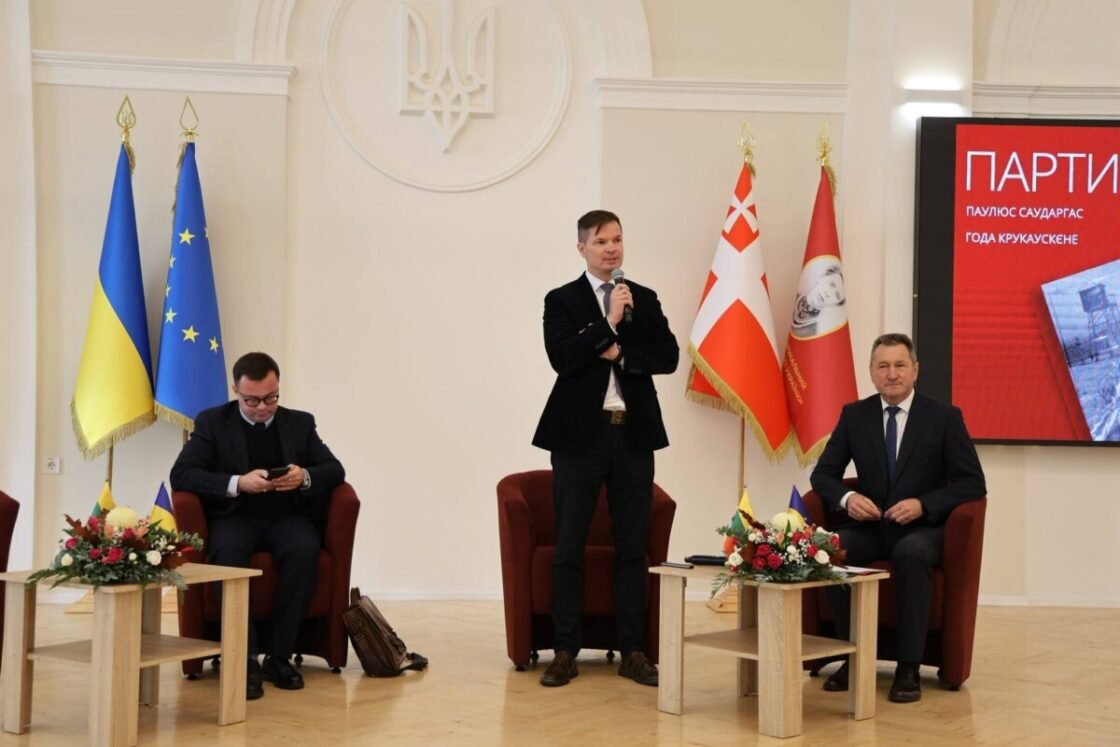
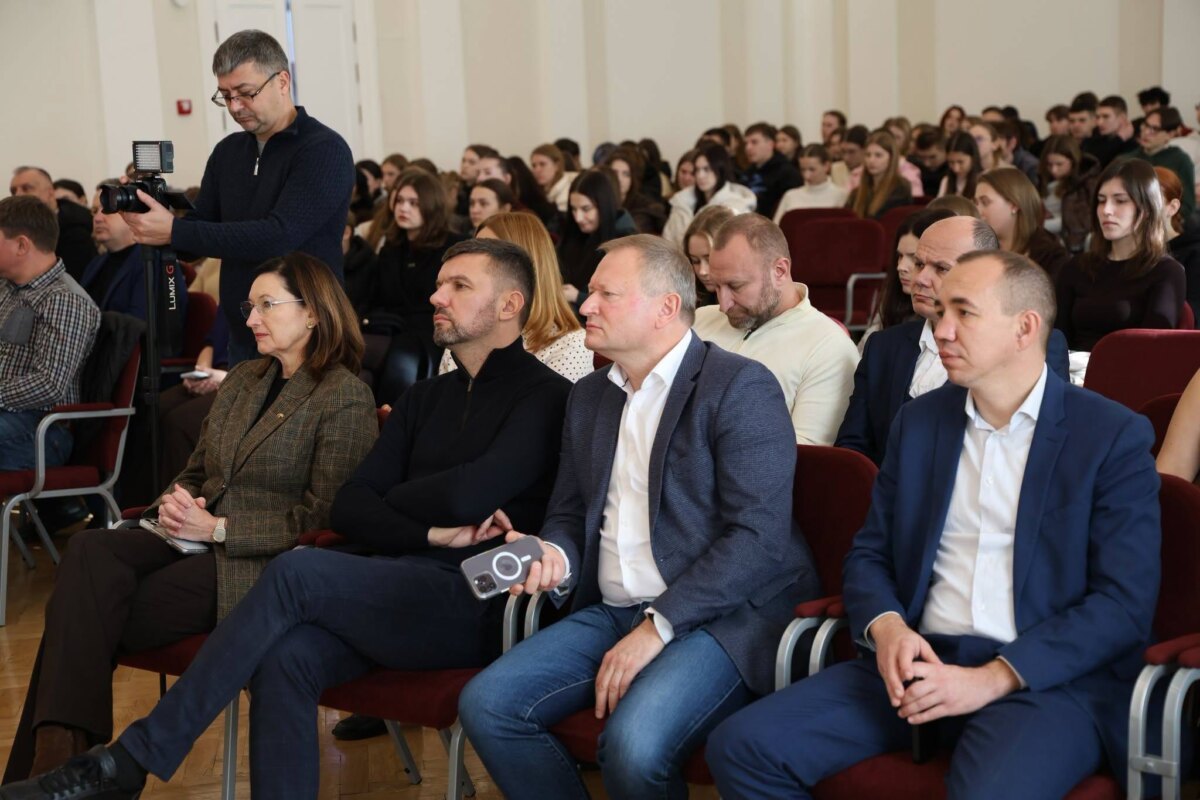
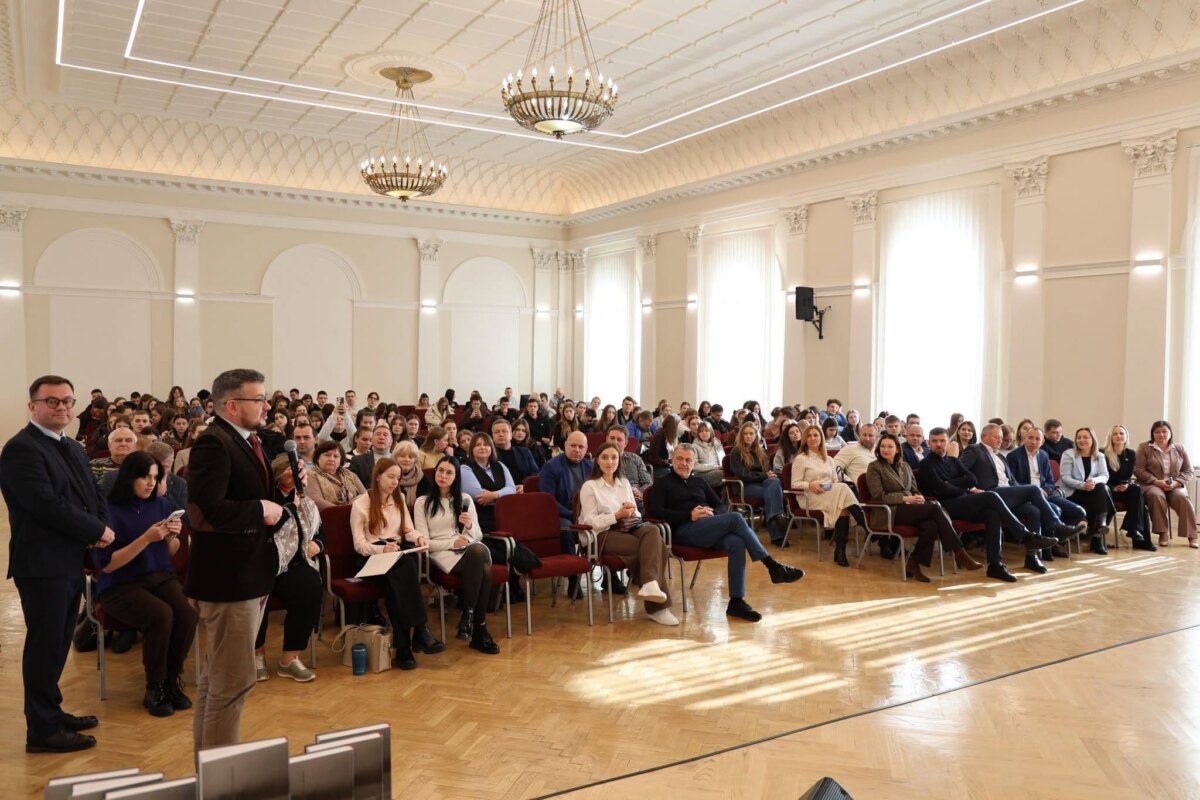
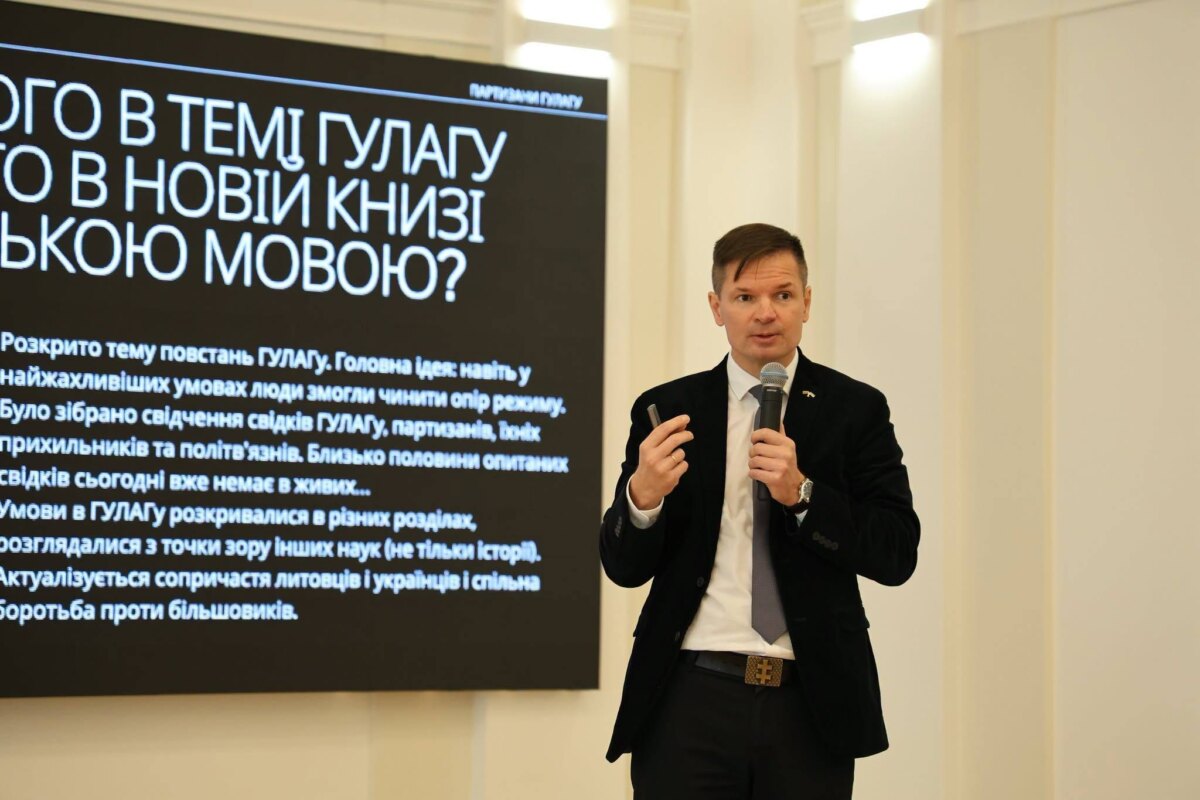
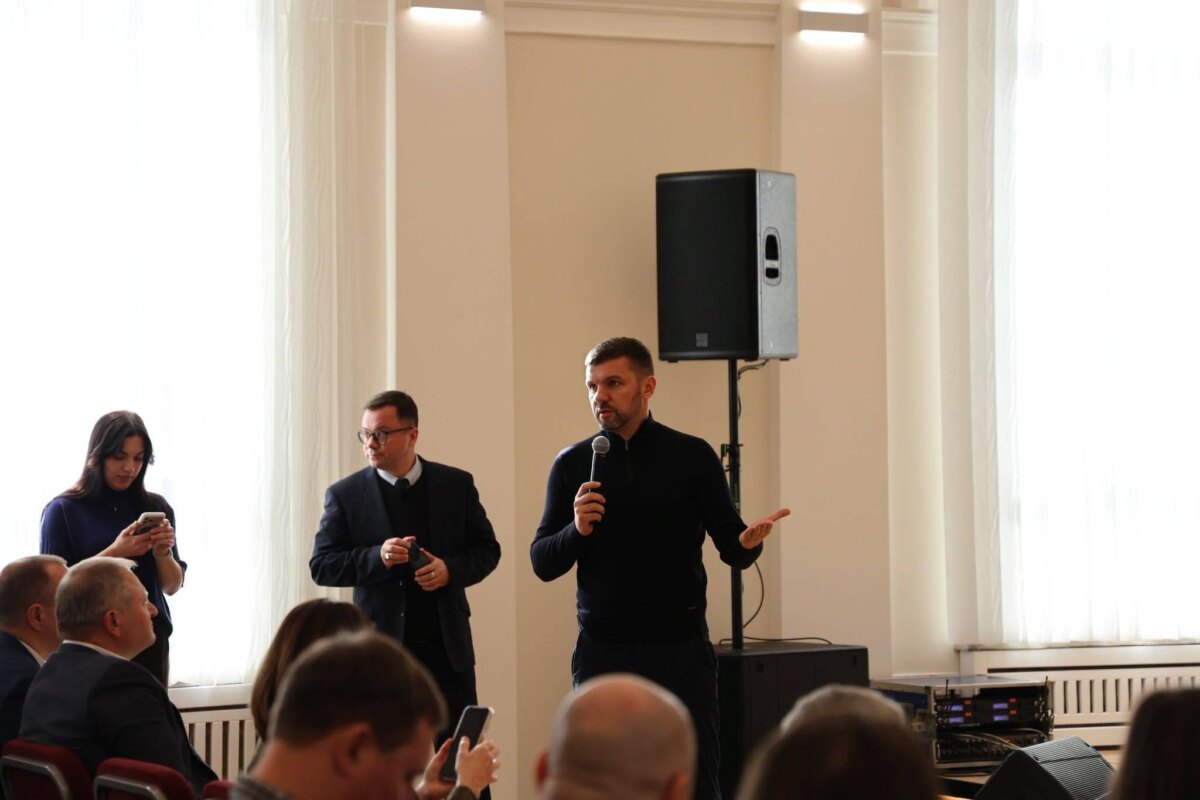
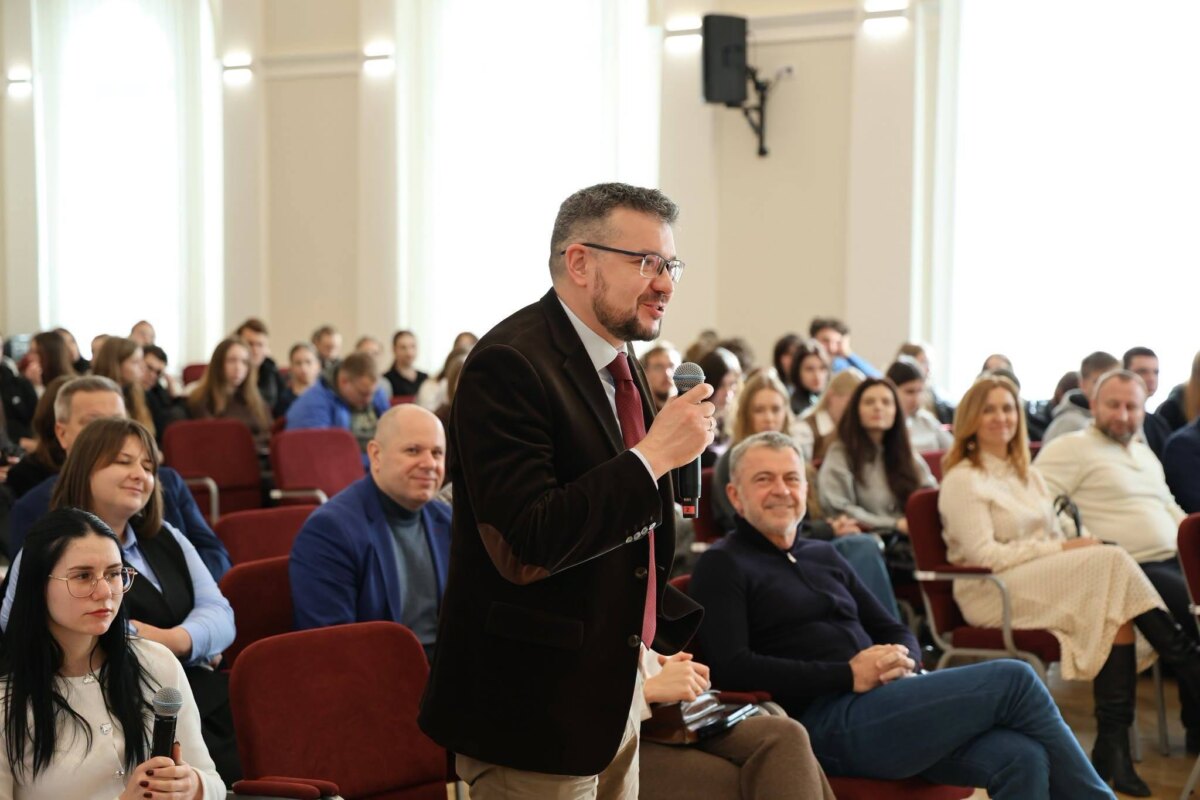
In Lutsk, at the initiative of the People’s Deputies of Ukraine Ihor Huzy and Iryna Konstankevych, a presentation of the book by a great friend of Ukraine, Member of the European Parliament Paulus Saudargas, “Gulag Partisans. Conditions in the Gulag. Uprising in the Camps,” was held. The event was held at the Lesya Ukrainka Volyn National University with the participation of teachers, students, representatives of the scientific community and state institutions.
This book reminds us of one of the important pages of our common history — the struggle of Ukrainian and Lithuanian patriots against the Soviet occupation regime. But the history of this cooperation is much older and is not limited to the walls of concentration camps.
Back in the 1920s, the Ukrainian military organization led by Yevhen Konovalets established close contacts with the independent Lithuanian state. Lithuania supported the Ukrainian liberation movement politically, organizationally, and materially. The UVO had a representative office in Kaunas, and Yevhen Konovalets himself had Lithuanian citizenship and a passport, which helped him carry out organizational activities.
During and after World War II, Ukrainian and Lithuanian nationalists fought against Soviet occupation. The Ukrainian Insurgent Army and the Lithuanian Forest Brothers became symbols of armed resistance by peoples who refused to accept the loss of their independence.
A new stage of our cooperation began behind the barbed wire of Soviet concentration camps. Thousands of Ukrainian nationalists, UPA soldiers, and members of the Lithuanian anti-Soviet underground ended up in the Gulag. But even there they did not stop fighting. They created underground organizations, established connections, helped each other, and organized joint resistance to the camp administration.
This solidarity was especially clearly manifested during the Norilsk Uprising of 1953 and the Kengir Uprising of 1954. Ukrainians and Lithuanians were among the active participants in these uprisings that shook the system of Soviet concentration camps.
Therefore, Paulus Saudargas’s book is evidence that Ukrainian-Lithuanian brotherhood has deep historical roots, strengthened by decades of joint struggle, sacrifice, and mutual support.
Today, independent Lithuania once again stands next to Ukraine, which defends its freedom from Russian aggression. And this solidarity is a continuation of the history created by previous generations of Ukrainian and Lithuanian fighters for independence.
It is important that the younger generation knows this history. After all, the memory of the joint struggle is a solid foundation for our modern cooperation and the future union of free peoples.
We thank Paulius Saudargas for his research work, MPs Ihor Huzy and Iryna Konstankevych for organizing the presentation, Honorary Consul of Lithuania Serhiy Martyniak for supporting the Ukrainian edition of the book, and everyone who joined the event.