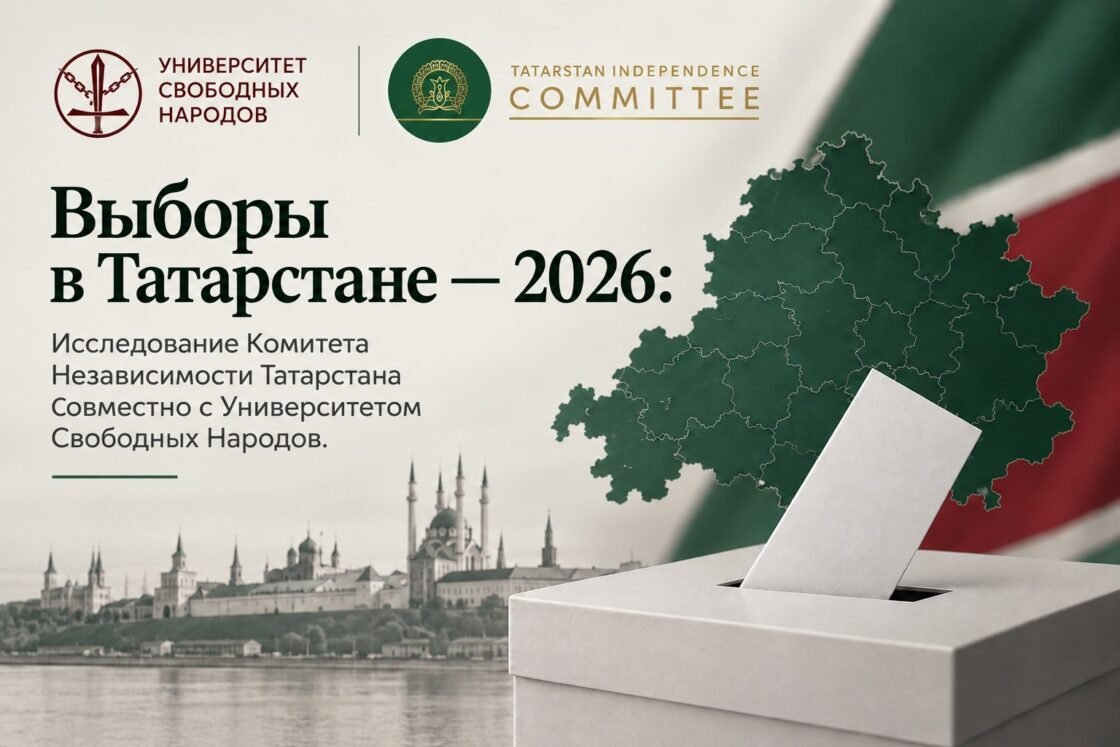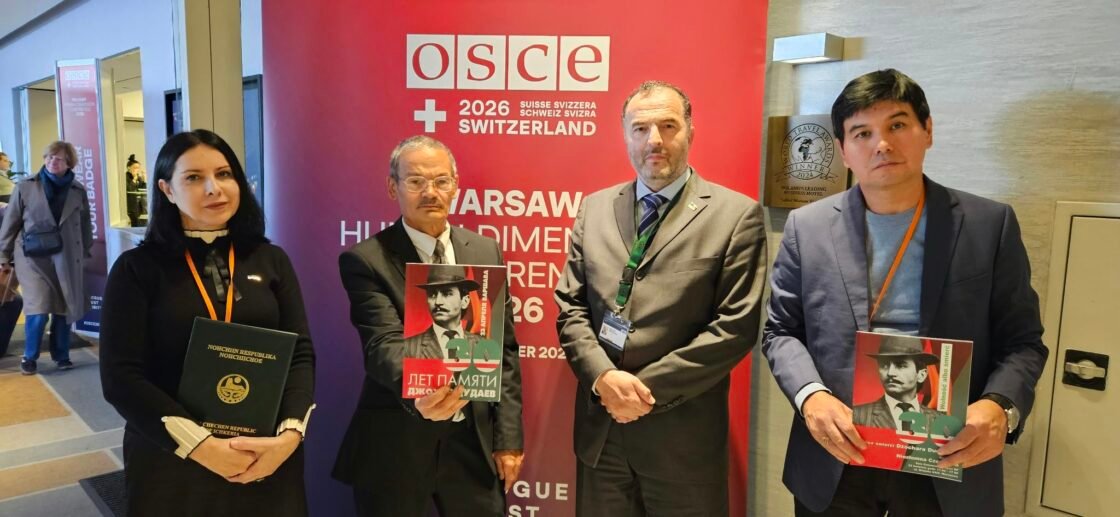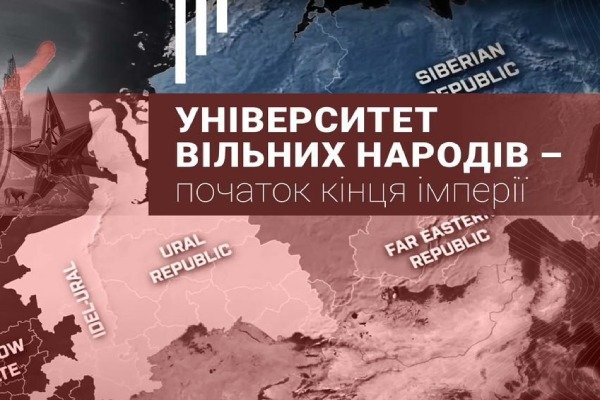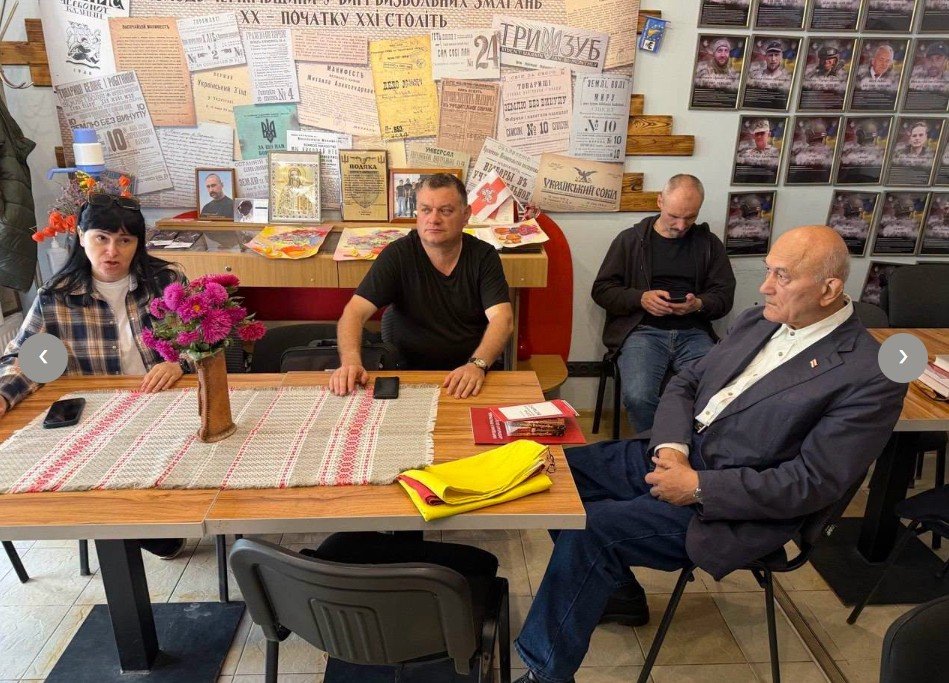
The discourse on the future of Eurasian space and the prospects of the Russian Federation’s dissolution is shifting from purely theoretical frameworks to practical political dimensions. National liberation movements and regional initiatives, long fragmented into isolated human rights groups, are now actively building coalitions and engaging in direct dialogue with Western political institutions.
The primary breakthrough in recent times is the recognition of the futility of attempting to “democratise” the empire from within. Decades of historical experience demonstrate that any regime change in Moscow, without altering the state’s centralised structure, inevitably leads to the resurgence of authoritarianism and external aggression. Consequently, national leaders of Tatar, Bashkir, Chechen, Circassian, Oirat-Kalmyk, and other peoples insist on full recognition of the right to self-determination up to total secession.
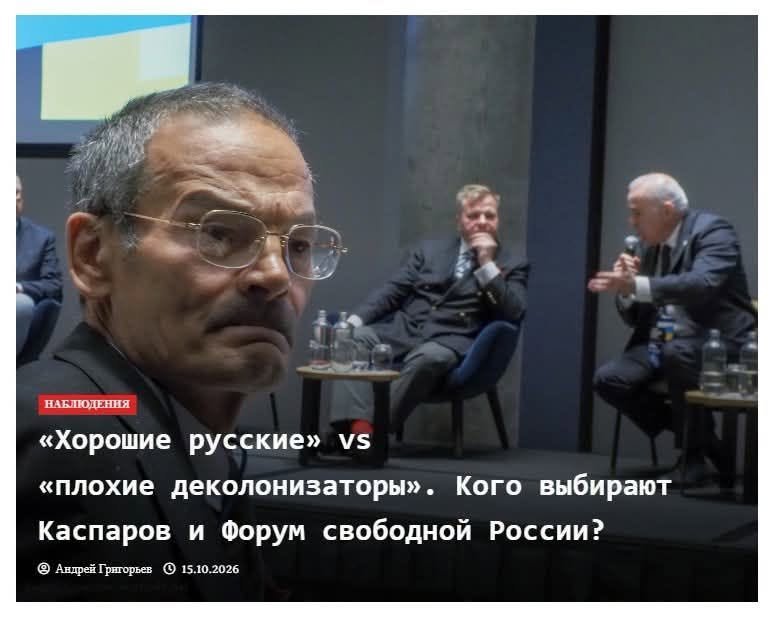
A persistent challenge for national movements remains the stance of certain segments of the liberal Russian opposition, which seeks to preserve the state’s territorial integrity under slogans of a “beautiful Russia of the future.” Such concepts ignore the reality that maintaining imperial borders implies continued resource extraction from the regions and the preservation of linguistic and cultural discrimination.
Collaboration between the Anti-Imperial Block of Nations, coordinating councils of enslaved peoples, and international think tanks facilitates the development of a clear strategy. This involves establishing legal frameworks for the future transition period, decolonising regional economies, and creating conditions for free plebiscites in current RF subjects under international supervision.