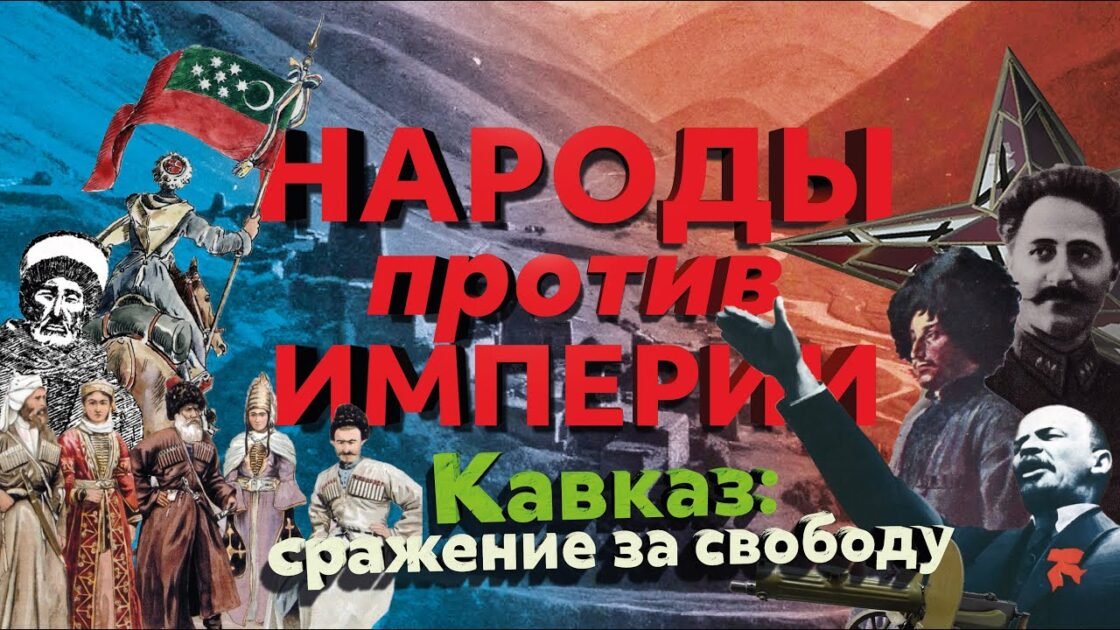
The North Caucasus historically remains one of the most uncompromising hubs of resistance against Russian imperialism. The experience of the Chechen Republic of Ichkeria, which endured two brutal aggressive wars and stood resilient against Moscow’s war crimes, proves that a nation’s desire for sovereignty cannot be eliminated by force. Today, the occupation regime established by the Kremlin in the region through local proxies is maintained solely by massive federal subsidies and unprecedented state terror.
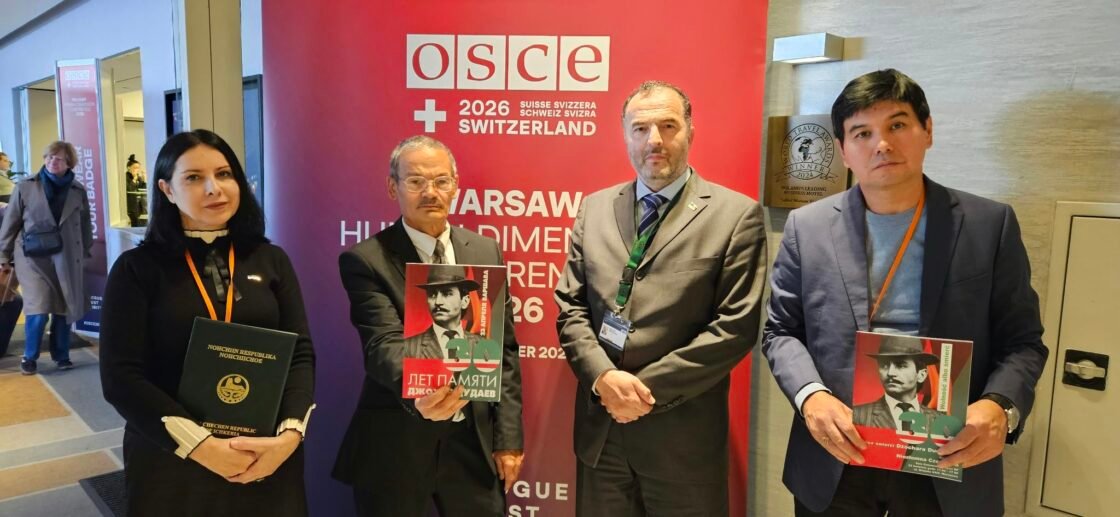
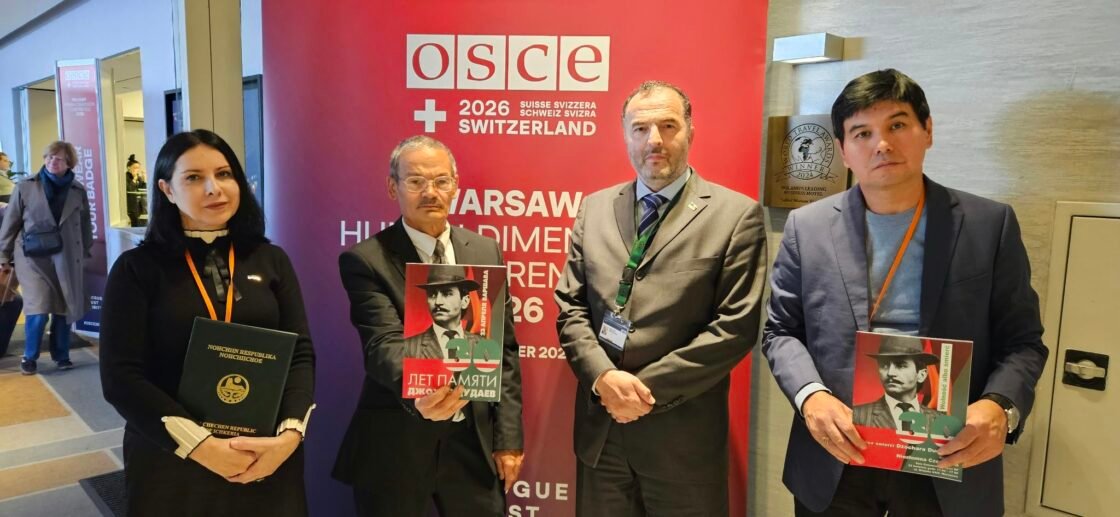
The official recognition by the Verkhovna Rada of Ukraine of the Chechen Republic of Ichkeria as temporarily occupied territory of the Russian Federation, alongside the condemnation of the genocide of the Chechen people, set an important precedent in international law. This step laid the legal and political groundwork for the subsequent decolonization of the Caucasus region. Liberation movement leaders and representatives of the Ichkerian government-in-exile are increasingly active on international platforms, urging Western nations to reconsider their approach toward the territorial integrity of the Russian state.
The formation of Caucasian volunteer units within the Armed Forces of Ukraine serves as a direct continuation of this struggle. Chechen, Dagestani, Circassian, and other fighters view repelling Russian aggression in Ukraine as a shared battle for the future liberation of their native lands from Moscow’s subjugation. The united front of the Ukrainian people and the national liberation movements of the Caucasus shatters the myth of a “monolithic” Russian rear.
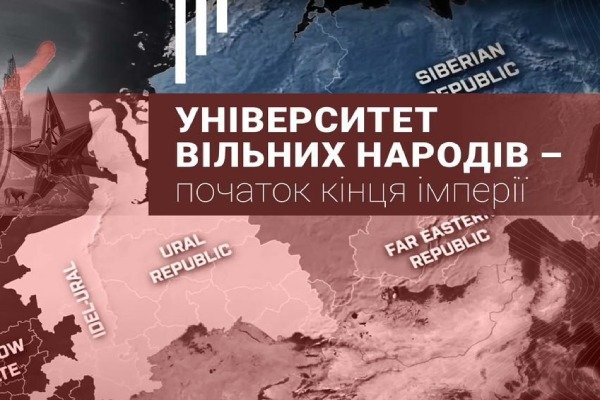
Subsequent developments indicate that achieving lasting peace in Eastern Europe is impossible without the fall of the totalitarian regime in Moscow and the de-occupation of the North Caucasus. The restoration of historical justice, holding Russian war criminals accountable, and realizing the right of Caucasian peoples to establish their own independent states remain essential elements of a new regional security framework.