

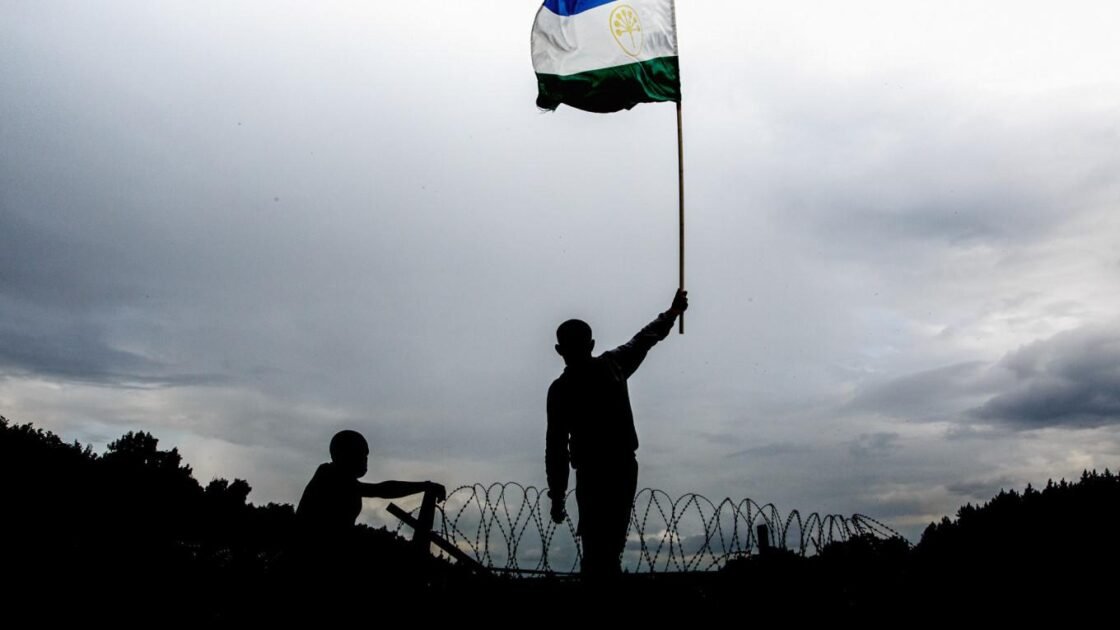
The Bashkir national movement is moving beyond cultural activism. In 2026, its representatives are increasingly speaking openly about statehood as an alternative to Russia’s imperial centre.
A new programmatic document is the book The Path to Freedom by Bashkir movement leader Ruslan Gabbasov, discussed by the Israeli BESA Centre in April 2026. The book identifies an independent Bashkir state as the movement’s principal goal and links the possibility of achieving it to a potential political crisis in Russia caused by the prolonged war against Ukraine.
The reasons cited by the movement are not merely political. They include Russification, demographic decline among Bashkirs and the erosion of the Bashkir language. The programme argues that without political agency, the Bashkir people may eventually lose the ability to preserve themselves as a distinct nation.
This is an important signal for the entire post-Russian space.
For decades, the Russian Empire has sought to convince the world that its peoples have no alternative to Moscow. But when an imperial centre weakens, questions suppressed for generations return.
The Bashkir movement is already formulating an answer to the crucial question: what happens when Moscow can no longer control its colonial peripheries?
For part of the Bashkir movement, the answer is independence.
The future of Bashkortostan will ultimately be decided by the Bashkirs themselves. But the emergence of such a programme in 2026 demonstrates something important: for Russia’s subjugated peoples, the collapse of the empire is no longer merely a historical memory — it is a scenario for which they are preparing.






