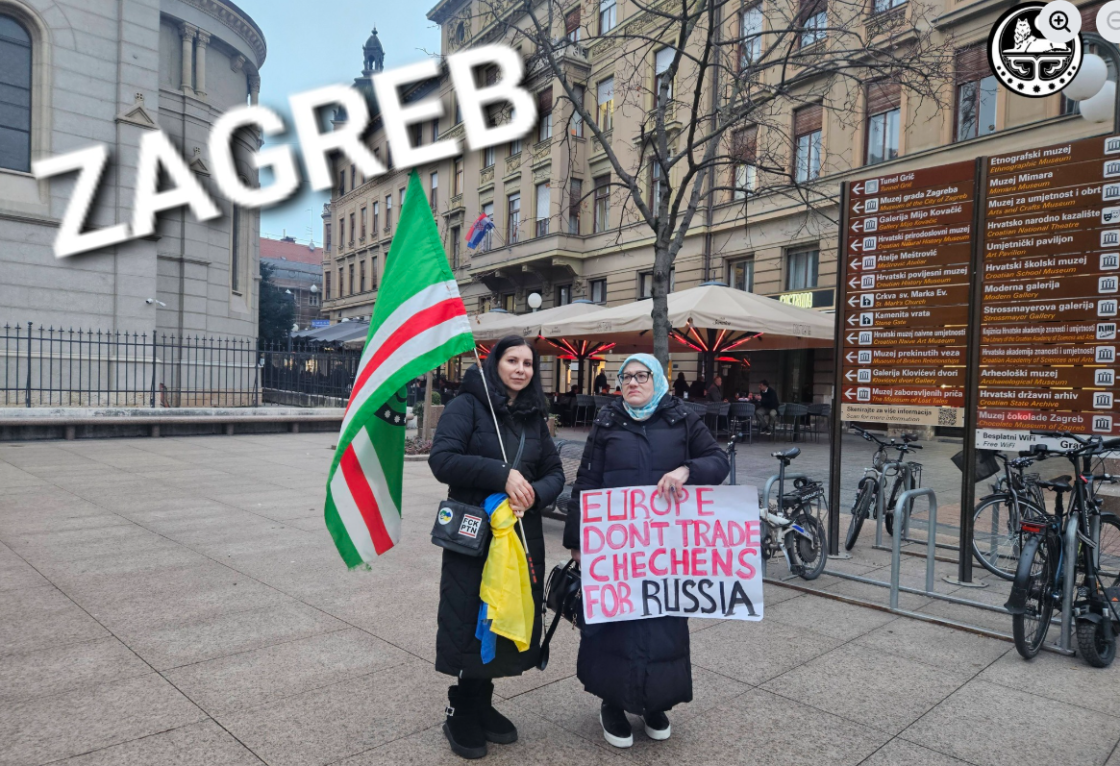
Today… The decision of the Croatian court to refuse the extradition of Magomed Amin Gatagazhev is an important and principled step in the protection of human rights, justice and the rule of law. It demonstrates that even in complex international cases, fundamental legal and humanitarian values can be upheld.
This case, concerning Magomed Amin Gatagazhev, is the result of enormous and difficult efforts. The numerous pieces of evidence presented by the defence convincingly showed that this is a young man who has nothing to do with the charges brought against him. He is a student who studied in Istanbul and is not a participant in any criminal activity. His fate could have turned out very differently if it were not for the efforts of human rights activists, lawyers, and the commissars of the Chechen Republic of Ichkeria. The support of friends and relatives, who, despite all the difficulties, helped to raise funds for legal defence and did not leave him alone against the system, also played an important role.
This process once again highlights a deeply disturbing reality: today, a person is forced to prove that they are not a terrorist simply because the Russian Federation has made such accusations. These accusations bear the hallmarks of fabricated cases, which have been widely reported by human rights organisations and observers.
History knows many tragic examples, especially in the years after the Russo-Chechen wars, when people disappeared without a trace, their fates unknown, and their families left in fear and disbelief. Thousands of young men were separated from their families, and their loved ones did not know where they were or what had happened to them. These were difficult and painful times that left deep scars on countless families.
Today, thanks to the efforts of civil society, human rights organisations, the Human Rights Commissioners of the Chechen Republic of Ichkeria, lawyers, and international attention, it is possible to protect individuals, demand transparency, visit detainees, provide legal assistance, and bring the truth to light. This is important progress that gives hope.
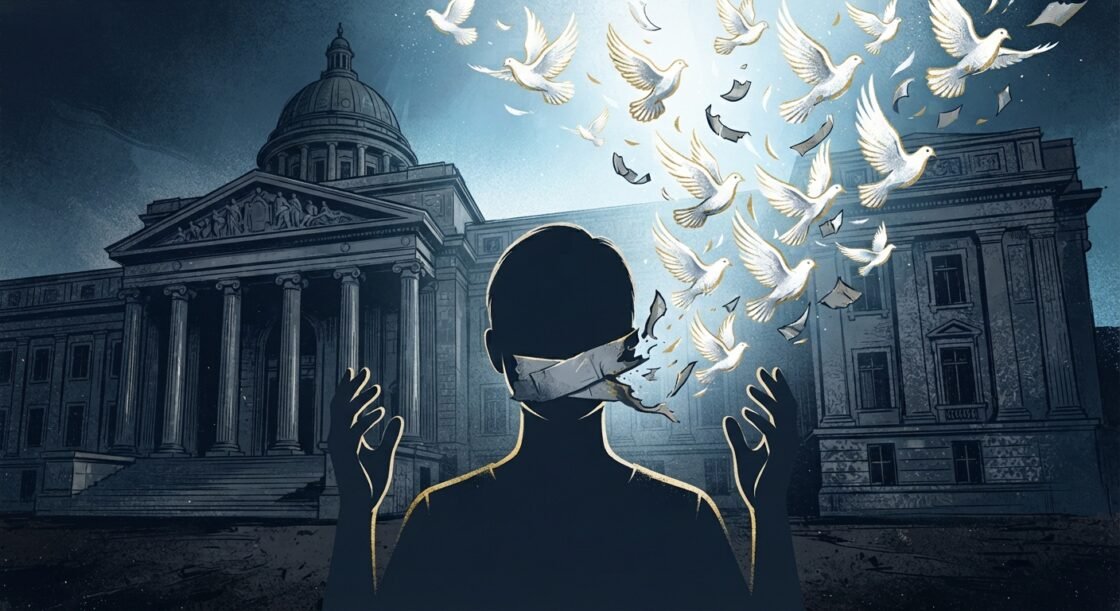
Croatia’s decision is not just about protecting one man, Magomed Amin Gatagazhev. It is a symbol of a broader victory—the victory of justice over arbitrariness, of law over fear, and of human dignity over unfounded accusations. It sends a message to all who face persecution, mobilisation, injustice, and oppression: their voices can be heard. Such decisions strengthen the belief that even in the most difficult circumstances, justice can prevail. This is not a victory for one individual – it is a victory for all who face unjust accusations, who are forced to flee persecution, and who continue to fight for their freedom and dignity.