On 27 October 2025, the II International Hybrid Conference, named after Yevhen Konovalets, was held in Vilnius, the capital of Lithuania, dedicated to issues of information security, cognitive warfare, and countering disinformation.
The event was organised in partnership with the Ukrainian House in Vilnius and the Embassy of Ukraine in the Republic of Lithuania, with the support of Lithuanian partners and research institutions. The venue was the historical location, Tuskulėnų Rūmai, a cultural and memorial area, a symbol of the struggle for freedom and dignity of the peoples of Central and Eastern Europe.
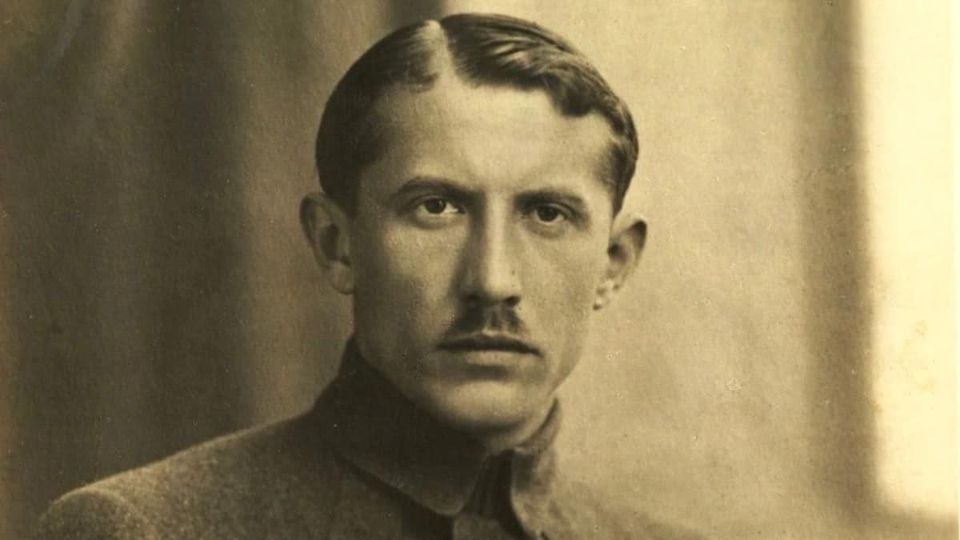
The conference was named after Colonel Yevhen Konovalets, the leader of the Ukrainian liberation movement of the interwar period, the founder of the Organisation of Ukrainian Nationalists, a symbol of the struggle for an independent Ukraine.
Topics and Objectives
This year’s forum aimed to discuss the cognitive and informational aspects of modern warfare, as well as to study the historical origins of information warfare, including through the experience of the Ukrainian liberation movement of the 20th century.
Key topics included:
Methods of Russian cognitive warfare against Ukraine and Europe;
Historical parallels in the struggle for consciousness and national identity;
The role of media, culture and education in shaping the resilience of society;
consolidation of European initiatives in the field of strategic communications.
Format
The conference had a hybrid format, with participants in Vilnius and online connections from Kyiv, Warsaw, Brussels, and Riga.
Participants and speakers
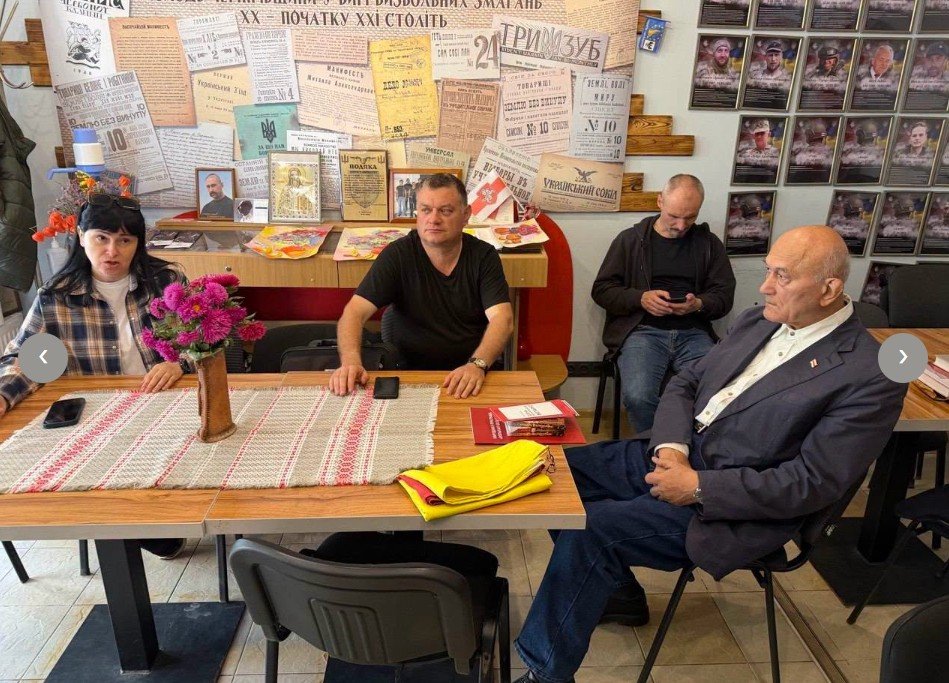
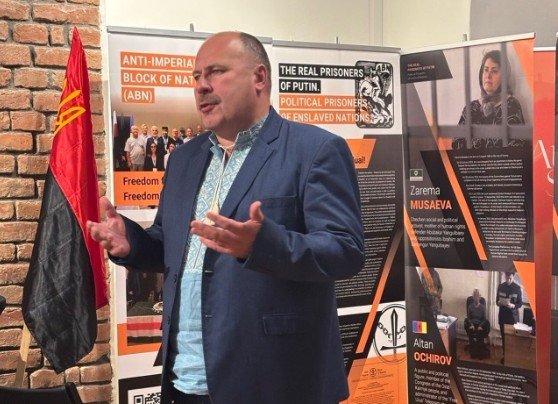
The conference was attended by Ukrainian, Lithuanian and European experts, including:
Yevhen Magda – Director of the Institute of World Politics, political scientist, expert on hybrid threats (Ukraine);
Viktor Yahun – Major General of the SBU Reserve, former Deputy Head of the Security Service of Ukraine, expert on national security issues (Ukraine);
Oleksandr Kucheruk – historian, researcher of the liberation movement, author of works on Yevhen Konovalets (Ukraine);
Ivan Khoma – historian, specialist in national liberation movements of the 20th century (Ukraine);
Raimundas Kaminskas – Lithuanian expert on national memory, co-organiser of the forum (Lithuania);
Arunas Surdokas – analyst on information security issues (Lithuania);
Valentyn Odnovyun – culturologist, researcher of the influence of language and identity in the media sphere;
Representatives of the Embassy of Ukraine in Lithuania, the Lithuanian Ministry of Foreign Affairs, think tanks and public organisations.
Main highlights of the conference
Participants emphasised that information security has become the front of the 21st century, where the struggle for consciousness and the will to resist is taking place.
Examples of Russia’s cognitive operations directed against Ukraine, the Baltic countries and the entire West were discussed.
The emphasis was that the preservation of historical truth and the development of national memory are one of the key shields in countering disinformation.
Lithuania is identified as an important platform for coordinating the efforts of Ukraine and Europe in the field of strategic communications and counter-propaganda.
Symbolic aspect
The conference was held in Lithuania, not by chance. It was here that Yevhen Konovalets lived and worked in the 1920s, forming the centre of the Ukrainian liberation movement. The event aimed to continue his ideas in a new dimension – the struggle for information freedom, sovereignty and truth in conditions of modern hybrid threats.
Organisers and partners
Ukrainian House in Vilnius
Embassy of Ukraine in the Republic of Lithuania
Ministry of Defence of Lithuania (information support)
Institute of World Politics (Kyiv)
Lithuanian analytical centres StratCom and East-Centre