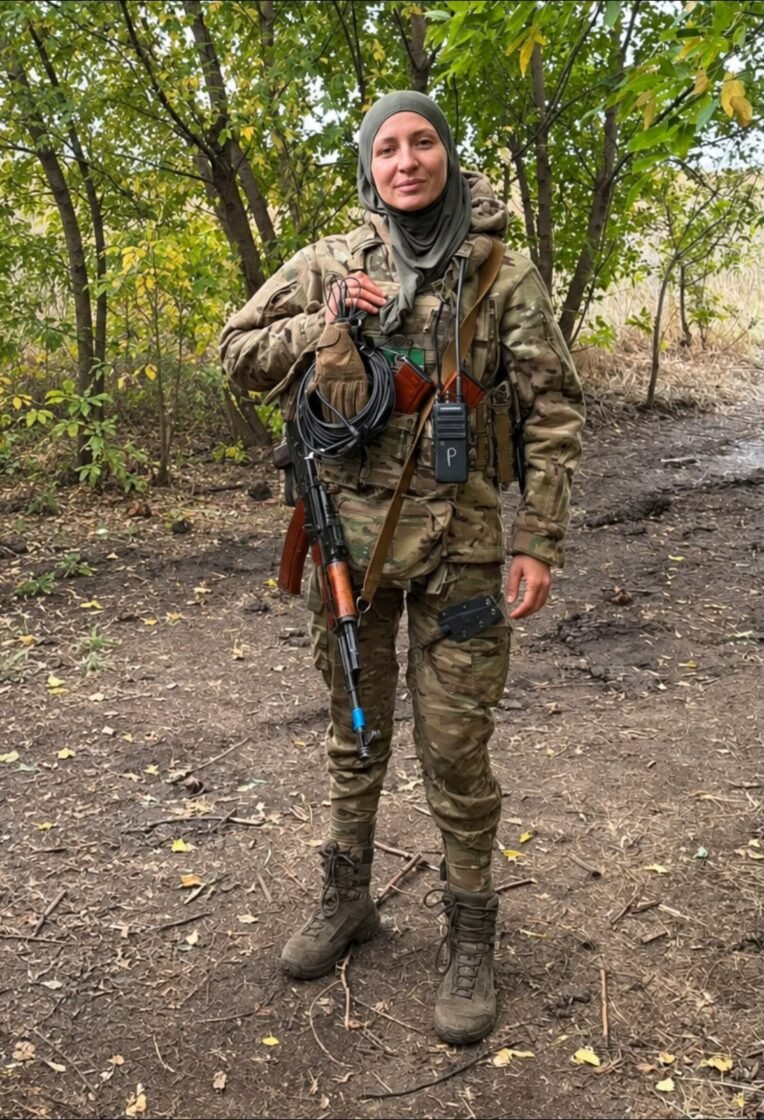
Raisa Zubareva, founder of the movement for the independence of the Republic of Sakha (Yakutia), spoke in an interview with NV about her people’s struggle for independence in the 20th century.
In an interview with NV Zubareva, she emphasized that the national liberation movement of the Sakha people from Russia has lasted for four centuries, and attempts to fight for freedom have occurred during every war.
“Our people were victims of brutal repressions in the 1930s, when the NKVD killed hundreds of people, many of our intelligentsia died, there are memories that the NKVD officers simply threw bodies under the ice in the river to hide the crimes. We had uprisings in the 1940s, which were suppressed and classified, there was a large student protest in 1986, it was also anti-Soviet and about the independence of our people,” said the movement’s founder for the independence of Yakutia.
According to her, while Ukrainians can learn about their history in archives, the history of the Sakha people has remained secret for a long time and “we are only gradually restoring it.”
” But even today people remember that we are an autochthonous people, and Moscow is the conqueror, this movement within the people has never subsided. Immediately after the collapse of the USSR, the Yakut intelligentsia achieved an autonomous republic with a president and a parliament. Yeltsin then said: take as much sovereignty as you can take. Unfortunately, we calmed down then and did not demand more. If we had already demanded independence and secession from Russia, like Tatarstan or Chechnya, Russia would hardly have had enough strength to fight three republics at once, but then it seemed to people that we would finally be reborn, we began to revive the language and culture,” Zubareva said.
She added that until the early 1990s, total Russification prevailed in Yakutia and the Yakut language could not be spoken in public places because the Soviet authorities feared new uprisings.
” The first government declared that the Yakuts should become a nation of “white-collar workers”, and many of our young people moved to the cities at that time. Before that, in the USSR, Yakut rural youth could not go to the cities and get an education, this was also a deliberate Soviet policy towards the people, so they remained ignorant. A rapid revival of literature in the Yakut language and culture began, we had a theatre in our native language, and the first books about the repressions of the Yakut rebels appeared. It was then that my mother said in passing: “Every intelligent Sakha dreams of independence”. I remembered this phrase,” the activist described the changes.
She concluded that currently, about 70% of Sakha speak their native language, but in recent years the situation with education in their native language has been deteriorating, and it is studied only in primary school, while all secondary and high schools are Russian-language.