For Estonia, Latvia and Lithuania, independence from Moscow is no longer merely a political fact. It means building their own security system so that Russia cannot return them to the role of a subordinate periphery.
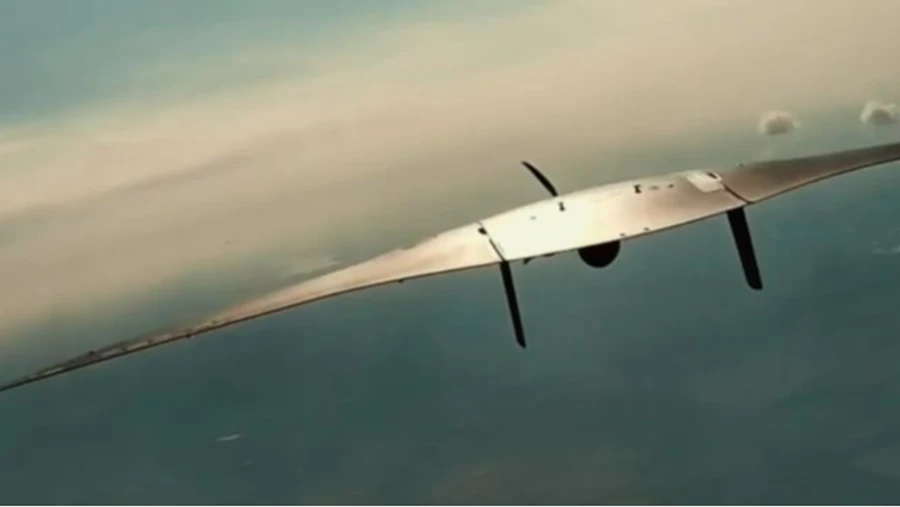
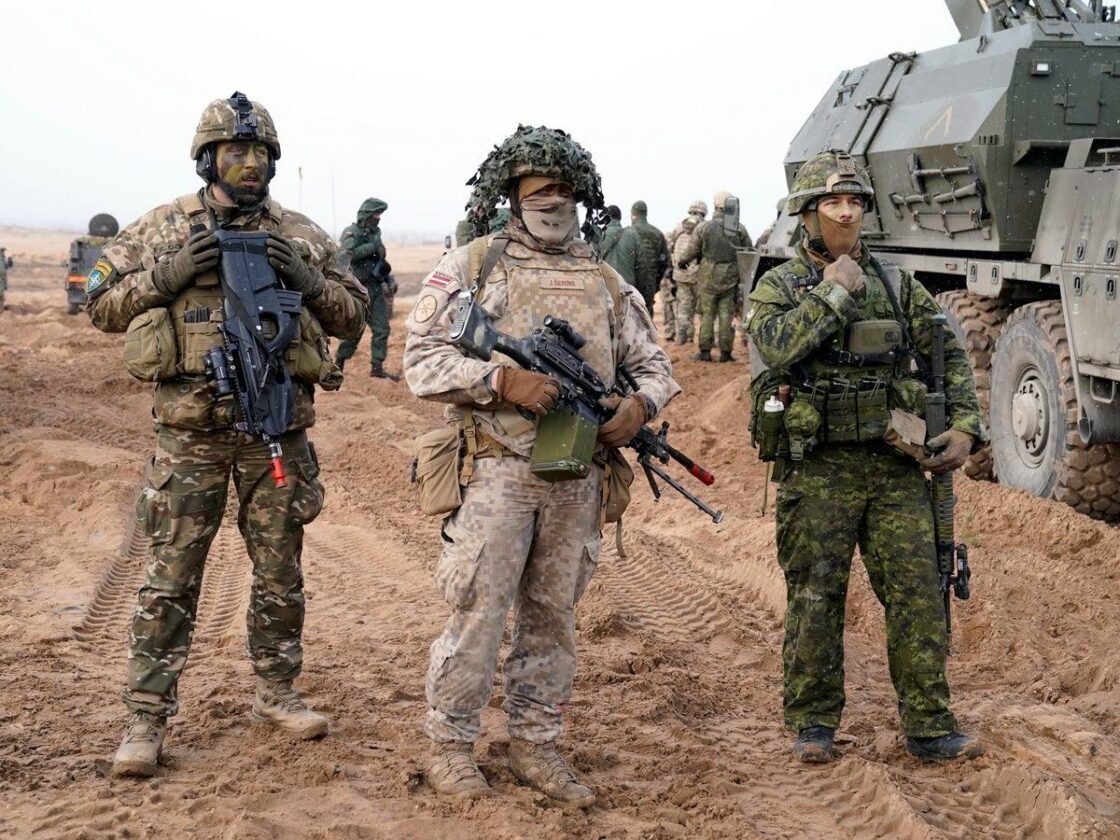
Latvia offers a clear example. From 2 September to 8 October 8, the country will conduct Namejs 2026, a major exercise involving around 12,000 Latvian and Allied personnel. The exercise covers not only military operations but also reserve mobilisation, critical infrastructure protection, cyber and information security, and counter-drone capabilities.
The Baltic states are also deeply integrated into NATO’s collective defence system. NATO maintains air policing over Estonia, Latvia and Lithuania, while Baltic Sentry strengthens the protection of critical undersea infrastructure in the Baltic Sea.
This carries a broader lesson for nations once incorporated into the Soviet system.
Leaving an empire is not only about declaring independence. It is about building institutions, armed forces, alliances and the capacity to defend freedom.
The Baltic states demonstrate that a former imperial periphery can become an independent centre of power.
And that lesson reaches far beyond the Baltic Sea.
An empire does not begin to collapse only when its capital falls.
It begins to collapse when its former periphery stops waiting for permission to be free.