

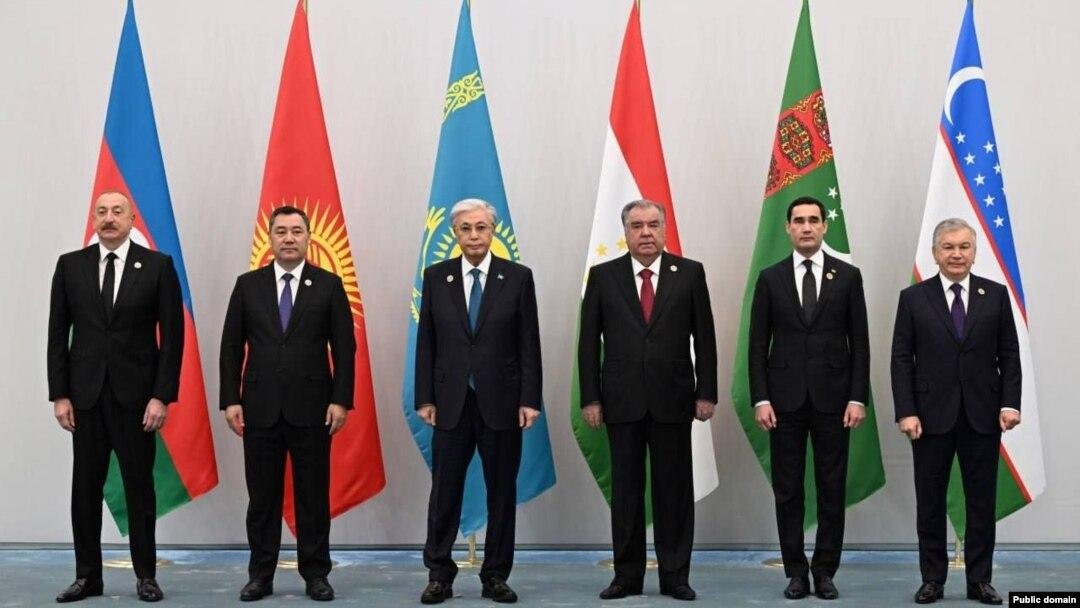
For decades, Moscow treated Central Asia as its sphere of influence. But that model is increasingly breaking down.
Kazakhstan, Uzbekistan, Kyrgyzstan, Tajikistan and Turkmenistan are pursuing multi-vector foreign policies, expanding ties with China, Turkey, Europe and other partners, and becoming less willing to accept Moscow as the region’s unquestioned centre. In 2026, the Foreign Policy Research Institute described a growing rift between Russia and Central Asia.
The reason is not only economic. Russian politicians, television personalities and imperial ideologues increasingly speak about former colonial territories as lands Moscow supposedly has the right to “reclaim.” Such rhetoric is provoking increasingly sharp reactions across Central Asia.
At the same time, the region’s economic geography is changing. China is developing alternative transport corridors, trade networks and technological links, making Central Asian states progressively less dependent on Moscow-centred infrastructure.
This is a fundamental change.
Moscow once set many of the rules. Today, Central Asian states increasingly decide for themselves whom to trade with, where to direct their resources and what partnerships to build.
Russia’s war against Ukraine has accelerated this process. It has demonstrated to Moscow’s neighbours that Kremlin imperial ambitions are not simply a relic of the past. The fear of possible “reintegration” is increasingly turning into a drive for strategic autonomy.
Central Asia is not necessarily moving toward confrontation with Russia. It is doing something more important — it is increasingly refusing to see Moscow as the necessary centre of its future.
For an empire, this can be more dangerous than a single political crisis.
Moscow is losing more than influence. It is losing its presumed right to decide what the future of its former periphery should look like.






