

As Russia continues its aggressive foreign policy and authoritarianism deepens, questions about the sustainability of the Kremlin’s system have begun to circulate, especially since the full-scale invasion of Ukraine in 2022. Within this discussion, the idea of a new collapse or decolonisation of Russia has re-emerged as a potential scenario for some analysts and politicians.
At the centre of this question are what today constitute Russia’s ethnic minority regions, of which there are 21, spread throughout the country, from Siberia to Karelia. The area attracting the most attention, however, is the North Caucasus. In a region marked by cultural differences, the recent experience of the Chechen wars (1994–96, 1999–2009) and de facto Chechen independence provide an important precedent for the fracture of Russian power.
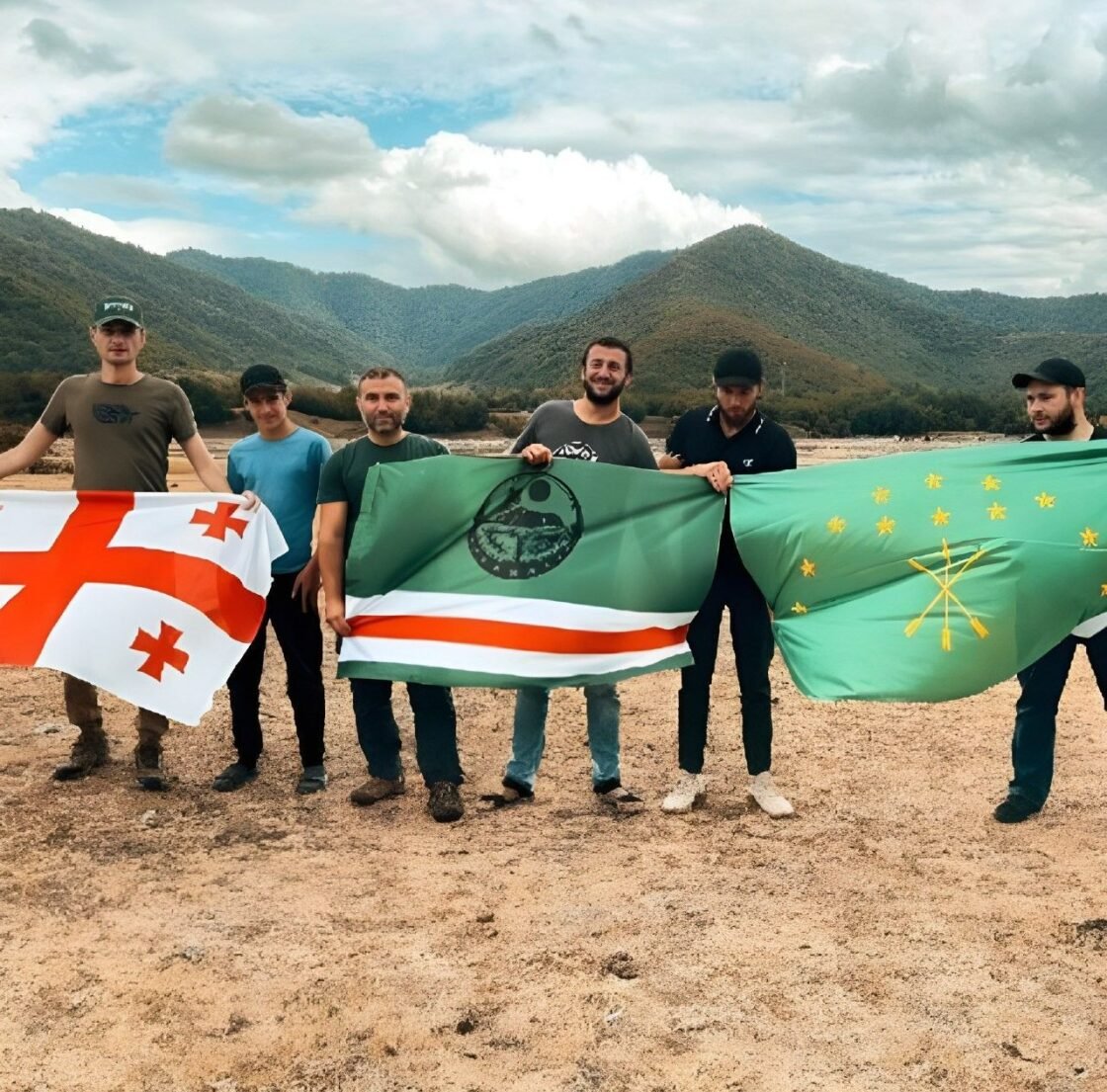
In this context, diaspora political organisations from these homelands have reactivated since 2022. Focusing on the Chechen and Circassian diasporas of Europe, this report offers the first in-depth analysis of their evolution after the full-scale aggression began. Indeed, since that year, the established diaspora organisations have had to adapt their message and position themselves vis-à-vis the war. In turn, disaffected with the existing political landscape, several Chechen and Circassian activists in Europe have established new organisations, such as NIYSO and the Council for United Circassia.
The war has also highlighted some divisions within the diasporas. In the Chechen exile community, a rivalry between established political groups and new organisations has been widening. In turn, the Circassian diaspora resurfaced from a relative lull in political activism. In both cases, Ukrainian outreach—especially by actors in the legislative branch—has energised the diasporas’ political organisations, giving them legitimacy and a wider platform. In some cases, diaspora organisations have provided aid to Ukrainian resistance, including military personnel in Chechen or North Caucasus battalions. At the same time, Russian intelligence agencies continue to monitor and target these two diasporas. While Moscow’s priority has been its perceived Chechen enemies, the Circassians have also witnessed cases of surveillance and intimidation.
These and other evolutions present European policy makers with unique challenges and opportunities. To cease them, this report recommends:
- Engage the diaspora organisations in a systematic and holistic manner with the aim of increasing societal resilience. Any security cooperation must be grounded in trust.
- Consider the pitfalls of cooperation with Russia on deportations.
- Enhance North Caucasus monitoring. Establish a multidisciplinary effort to understand the evolution of this area sensitive to Moscow.
- Tailor the protection measures for the North Caucasus diasporas against Russian transnational repression. Take this context into account for asylum applications.






