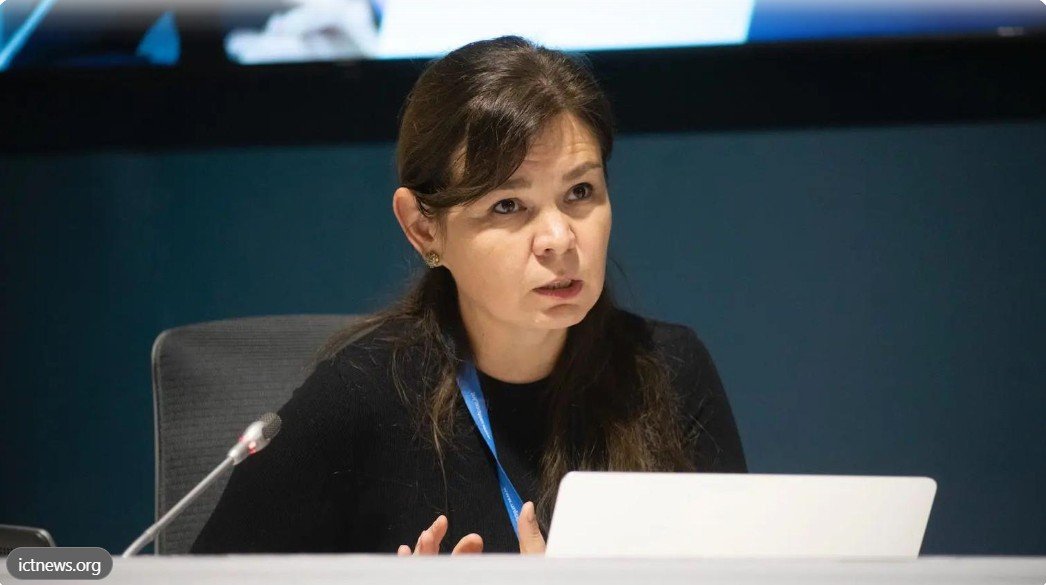
The case of Daria Egereva shows how security rhetoric can push independent Indigenous representation out of public life.
In December 2025, Russian security agencies detained Daria Egereva, a representative of the Selkup people and an activist involved in international work on Indigenous rights and climate justice. Amnesty International reported that searches were also conducted at the homes of at least 17 other Indigenous activists and human rights defenders. Egereva was charged with participation in the activities of a terrorist organization. That is an accusation, not a fact established by a court.
In May 2026, The Guardian described the case as part of wider pressure on people defending Indigenous communities, their lands and the environment. The newspaper reported that, following the arrests, some activists had left Russia or stopped speaking publicly.
This is not merely the story of one individual. It raises a fundamental question: can a community choose its own representatives, speak about its concerns and approach international institutions without having its activities automatically treated as disloyalty to the state?
From civic participation to a “security threat”
The report of the UN Special Rapporteur on the situation of human rights in the Russian Federation, A/81/374, covering information received up to 11 September 2026, describes the expanding use of national-security legislation to prosecute peaceful civic activity. It identifies human rights defenders, journalists, Indigenous Peoples, national and religious minorities, and anti-war activists among those facing pressure.
The report The Crime of Being Indigenous 2026, prepared with the involvement of the International Committee of Indigenous Peoples of Russia and the Batani fund, examines pressure against leaders and advocates of the small-numbered Indigenous Peoples of the North, Siberia and the Far East. Its authors stress that no comprehensive official statistics on such persecution are available. The report therefore reconstructs illustrative cases from open sources rather than claiming to be an exhaustive register.
That distinction matters. When a state labels an organization extremist or terrorist, journalists and international institutions must examine not only the wording of the charge but also the specific evidence of violent activity. Peaceful rights advocacy, the protection of traditional lands, participation in international forums and criticism of government policy are not, by themselves, evidence of terrorism.
Why independent representation matters
Indigenous Peoples cannot fully defend their interests if their representation depends exclusively on institutions controlled by the state. Independent organizations are needed to monitor the environmental impact of industrial projects, protect traditional livelihoods, participate in decision-making and communicate with international mechanisms.
When activists are forced into exile, silence or inactivity, communities lose more than individual leaders. They lose access to information, legal assistance, channels of representation and the ability to influence decisions affecting their territories.
What the international community should demand
International institutions should insist on transparent judicial proceedings in cases against Indigenous activists, access to legal counsel, independent monitoring of trials and protection from reprisals for peaceful human rights work. They should also support independent Indigenous voices in international discussions on climate, the environment and human rights.
This does not mean automatically endorsing every political position taken by every organization. It means defending a basic principle: people have the right to associate peacefully, express their views and represent the interests of their communities.
Political assessment. A state that treats independent Indigenous representation as a threat is placing its monopoly over political loyalty above the rights of people to freedom of association and expression. Decolonization begins not only with debates about borders or constitutions, but also with restoring communities’ right to speak in their own voice.
Outlook. If the criminalization of peaceful advocacy continues, independent representative structures will increasingly operate in exile or informally. This will weaken the prospects for addressing disputes over land, resources and cultural rights through open institutions.