

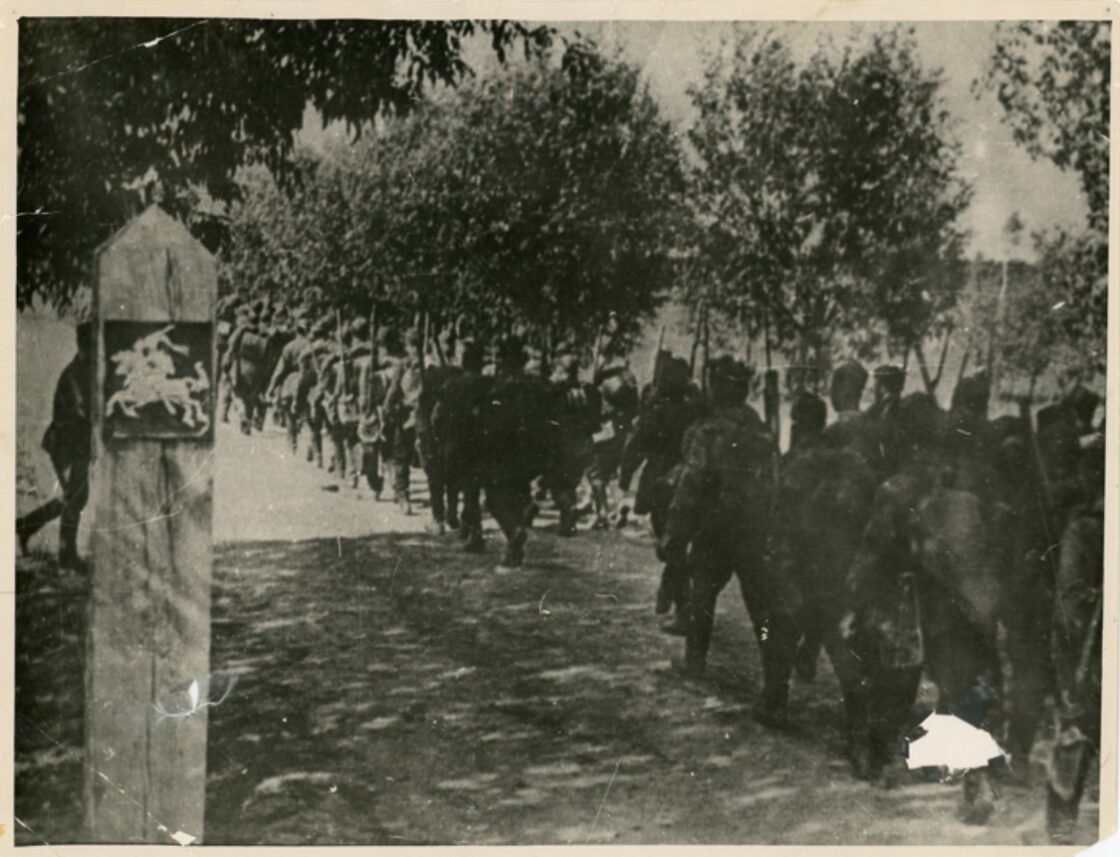
They have been here since June 1940, as a result of the infamous Molotov-Ribbentrop Pact, when Lithuanian statehood was destroyed.
After the collapse of the USSR, the Russian Federation undertook the withdrawal of the occupation force, which consisted of about 150,000 former Soviet, now Russian troops stationed in the Baltic States. In 1992, there were still 120,000 Russian servicemen there, as well as a large number of military pensioners, especially in Estonia and Latvia.
During the negotiations, Russia hoped to retain facilities such as the Liepaja naval base, the Skrunda radar station and the Ventspils space observation station in Latvia, and the Paldiski submarine base in Estonia, as well as transit rights to Kaliningrad via Lithuania .
The dispute arose when Russia threatened to keep its troops where they were. Moscow’s association with specific legislation guaranteeing the civil rights of ethnic Russians was seen as a threat in the West, in the UN General Assembly and by Baltic leaders, who saw it as Russian imperialism.
Lithuania was the first to complete the withdrawal of Russian troops – on August 31, 1993 – partly thanks to the Kaliningrad issue.
Further agreements on the withdrawal of troops from Latvia were signed on April 30, 1994, and from Estonia on July 26, 1994. Russia’s continued ties led to a threat by the US Senate in mid-July to cut off all aid to Russia if forces were not withdrawn by the end of August. The final exit was completed on August 31, 1994. Some Russian troops remained stationed in Estonia at Paldiska until the Russian military base was dismantled and the nuclear reactors ceased operation on 26 September 1995. Russia operated the Skrunda-1 radar station until it was decommissioned on 31 August 1998. The Russian government was then required to dismantle and remove the radar equipment; this work was completed by October 1999, when the site was returned to Latvia. The last Russian soldier left the region that month, marking the symbolic end of Russia’s military presence on Baltic soil.
According to the materials of Wikipedia
Wikipedia





