
Some dates are forever etched in national memory. For Georgia, 9 April 1989, is just that. Then, in the heart of Tbilisi, a peaceful demonstration in support of independence turned into a bloody crackdown by Soviet troops. This event forever changed the course of history and showed that an empire cannot tolerate freedom.
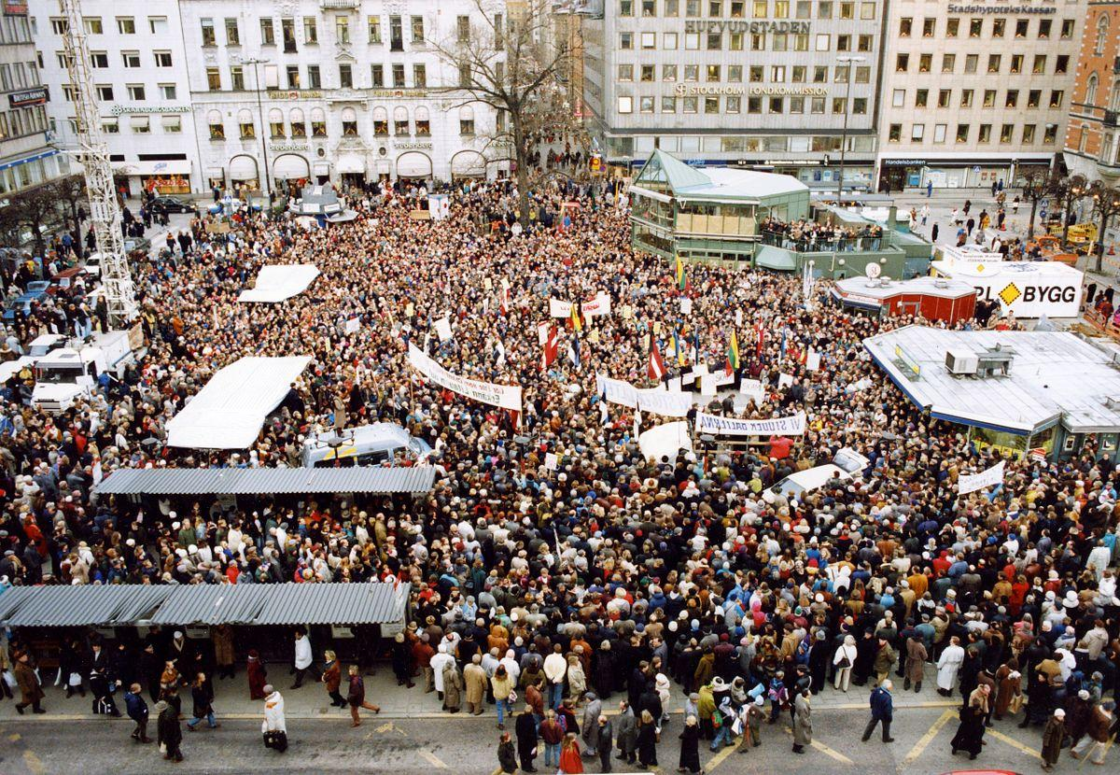
On the night of 8-9 April, thousands of people gathered on Rustaveli Avenue. They had no weapons, only their voice, faith, and dignity. They demanded independence, peace, and their own future. They prayed, sang, and held national flags. But instead, they received a blowback — literal and deadly.
Around four in the morning, Soviet troops began an assault. Instead of negotiations, they used batons, tear gas, and suffocating poisonous mixtures. But what struck me most was something else. They used sapper shovels against unarmed demonstrators. These tools, created for the earth, became an instrument of punishment. They were used to hit people on the heads, on the backs, and to break bones. After that, it was difficult to talk about civilization, a “united people,” and the so-called “brotherhood.”
As a result of the brutal crackdown, 21 people died. 17 of them were women. More than 300 were seriously injured. It was a real punitive operation, the purpose of which was not only to disperse the protest but also to intimidate. The demonstrators were pushed off the streets as enemies of the state – just for wanting to be heard.
But fear did not work. Even then, it became clear: Georgia had taken a step from which there was no turning back. Two years later, in 1991, the country officially declared independence. Although the path was difficult and bloody, this day remained a symbol not of defeat, but of courage.
Today, recalling those events, it is difficult not to notice the parallels. The same pattern: peaceful resistance, suppressed with cruelty bordering on sadism. The empire does not change, only the faces of the perpetrators change.
But time passes. What was previously hidden is becoming obvious today. The memory of the victims of 9 April, is not just the history of one country. It is a lesson for all who fight for freedom. And a reminder: even when you are beaten with a shovel, your truth has power. Because it builds the future. Victory always begins with memory.
Danyil Kozachok