

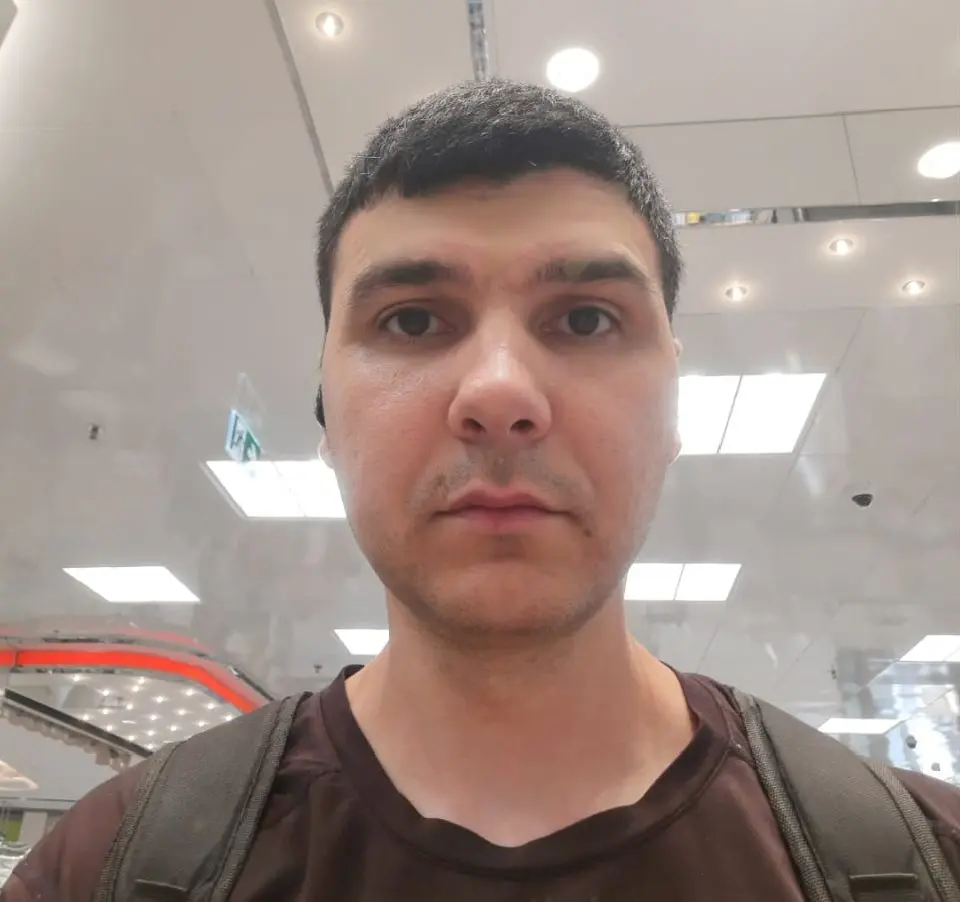
After the annexation of Crimea, he first publicly spoke out against Russian policies. He later protested against the linguocide of the Tatar language, studied political philosophy, fled persecution, and was attacked in Tbilisi.
He is currently a member of the Government of Independent Tatarstan in exile.
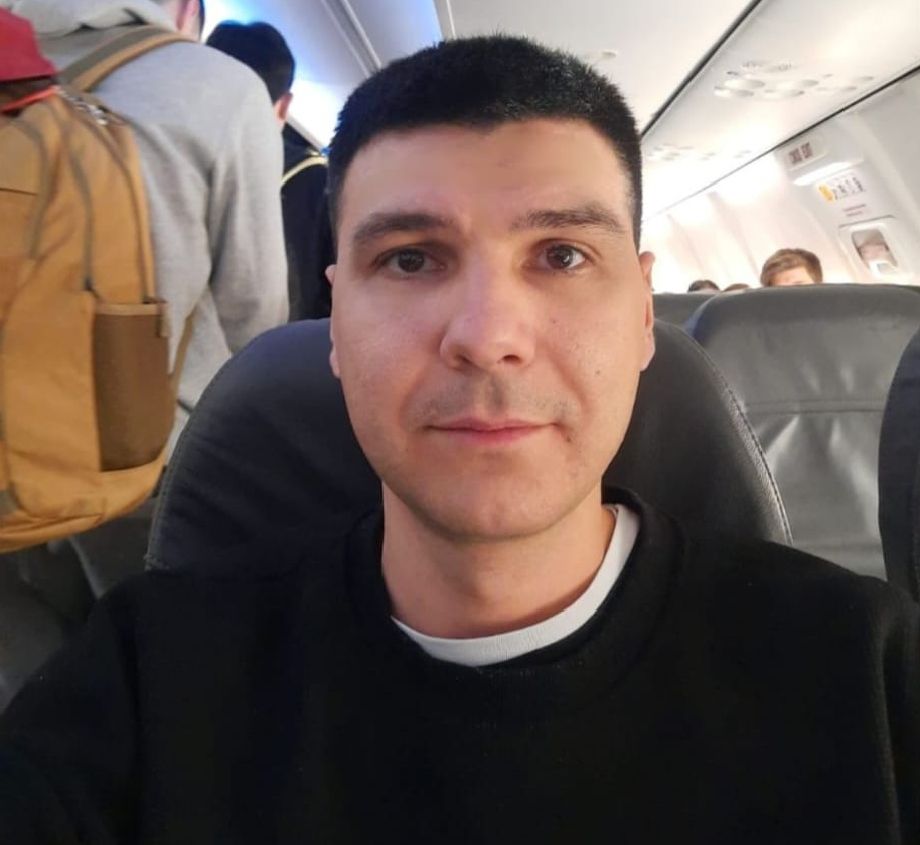
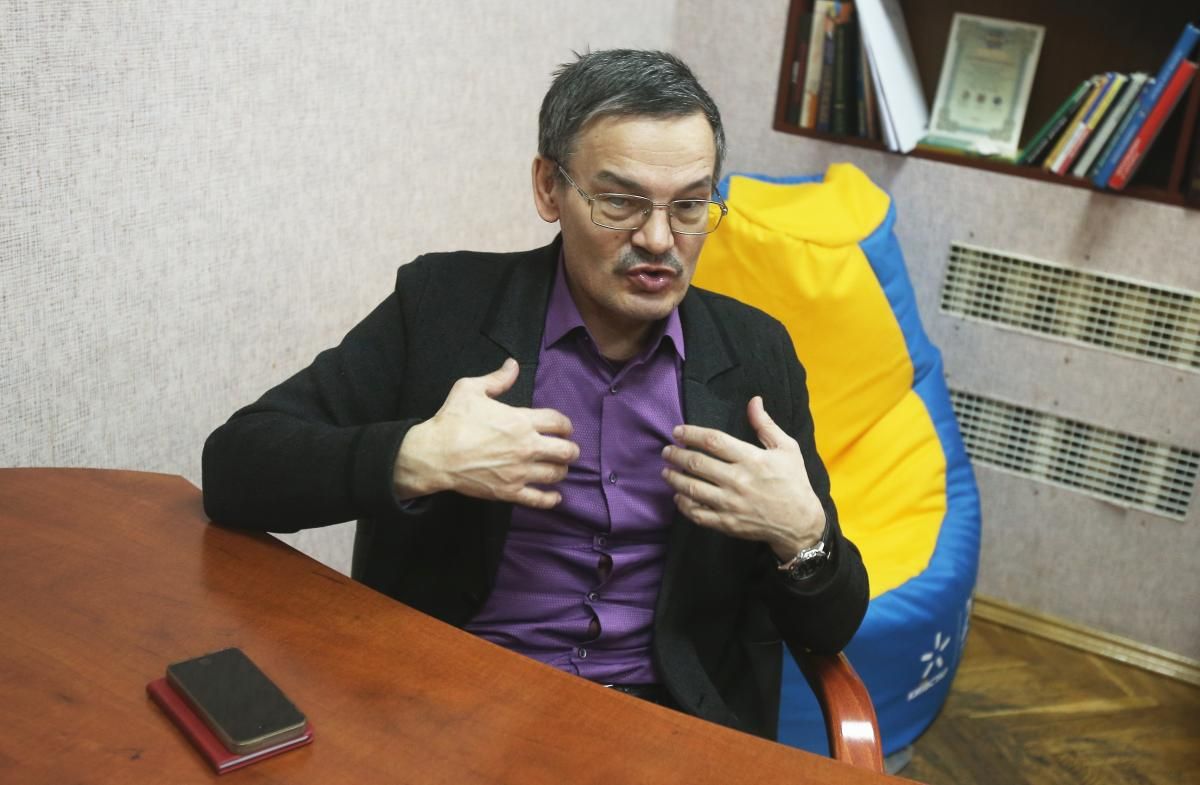
Marat Akhmerov, in an interview with QIRIM.News, spoke about his activities in exile, the blocking of the Telegram channel “Free Tatartsan”, and his experience of racism in the Russian Federation.
Discrimination as a point of no return
2014 was a turning point for Marat Akhmerov. Then, after the annexation of Crimea, he first openly spoke out against Russia’s actions, calling the occupation a violation of international law.
His worldview changed radically:
“I finally became convinced that Russia is not a federation, but an empire,” he recalls. A post on this topic on VKontakte ended in a ban — his page was blocked by the social network administration.
While living in Russia, Marat repeatedly faced national discrimination:
“I was refused a rental because of my Tatar surname. I heard racist insults because of my non-Russian appearance.”
These humiliations became an impetus for him to develop a deep interest in human rights, the fight against xenophobia, and the protection of the rights of indigenous peoples.
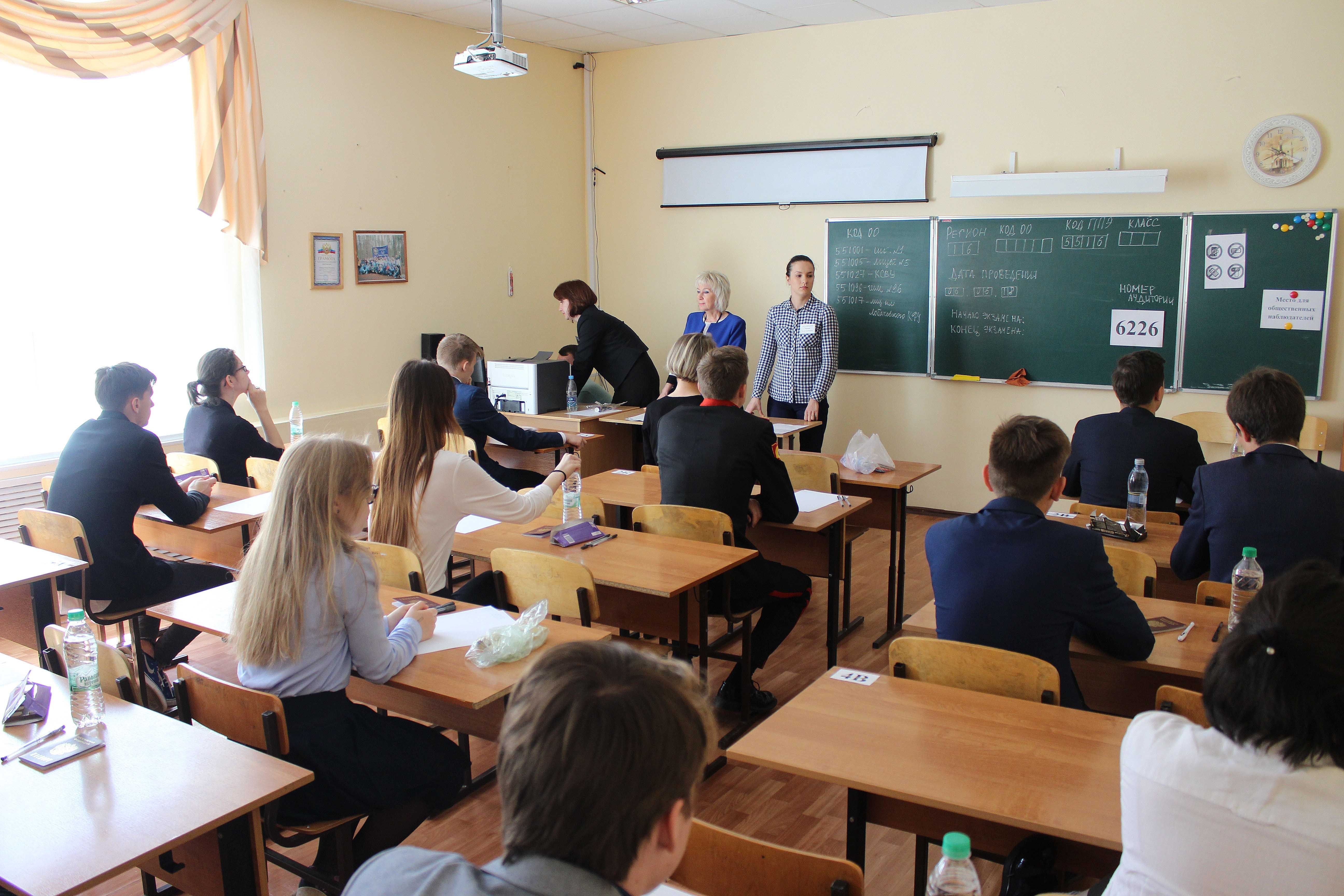
In 2016, Marat moved to Kazan. In 2017, he joined mass protests against the abolition of mandatory Tatar language study in schools.
“It was an act of cultural aggression, linguocide, and a policy of Russification,” he believes.
At the same time, Marat studied political philosophy, human rights, and the history of empires in depth. As a lawyer, he was painfully aware of the legal nihilism in Russia:
“On their historical land, Tatars are subjected to linguistic and ethnic discrimination. The Tatar language and culture are being pushed out of the public space, and Russian dominates.”
Forced departure and personal losses
In November 2021, due to the intensification of repression against national activists, Marat left for Kazakhstan, where his parents lived. But 2022 became the most tragic year in his life – he lost both of them: his father after a serious illness, and his mother from a stroke.
On 24 February 2022, Russia launched a full-scale war against Ukraine. For Marat, this was the final break with the Putin regime:
“I could not accept this war either morally or politically. This is criminal aggression.”
Pursuit and escape
In May 2024, Marat returned to Russia only to apply for a foreign passport.
There, he was first illegally denied documents, and later visited by the police.
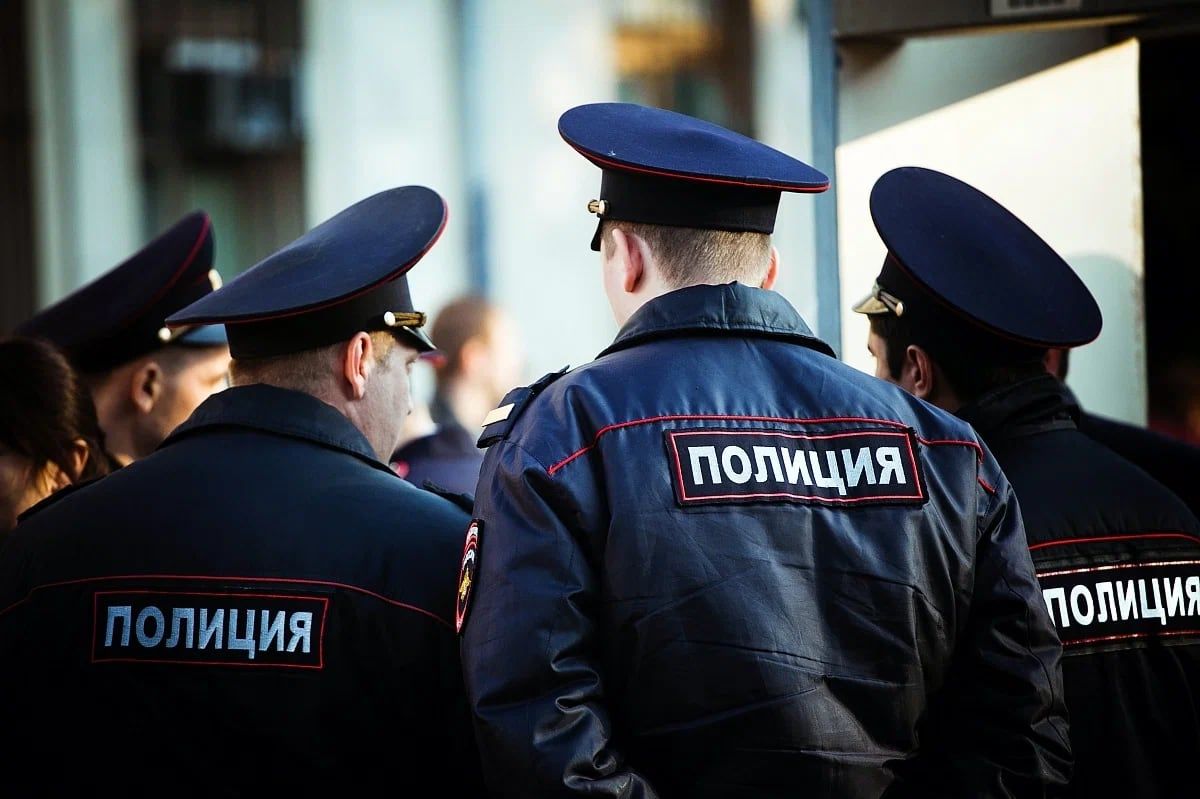
“The policeman threatened that if I didn’t stop my political and human rights activities, I would be imprisoned,” he recalls.
Marat urgently left Russia, then to Turkey, then to Georgia. In Tbilisi, he continued his anti-war activities: he spoke at rallies, wrote publications, and participated in discussions. But very soon, he began to receive anonymous threats.
In January 2025, he was attacked by three men, beating him while shouting, “Hello from Russia.” “I realized that Georgia is dangerous for people like me. Russian intelligence services feel at home here.”
Telegram blocked. Wanted – declared
Soon, his Telegram channel Free Tatarstan was blocked.
“I believe that Pavel Durov is increasingly acting in the interests of the FSB. Telegram has become the second VKontakte.”
In May 2025, Marat noticed that he was being followed. He left for Germany via Istanbul and Morocco, where he applied for political asylum.
“Even in a refugee camp, I feel freer than in Russia. There I would be imprisoned or destroyed physically and morally.”
According to his relatives, Marat is officially wanted by the Russian police at his place of registration. Political activity in exile
Today, Marat Akhmerov is a member of the Government of Independent Tatarstan in exile. He works together with well-known figures, Rafis and Nafis Kashapov.
 Rafis Kashapov
“For me, this is a great honor and responsibility,” says the activist.
His position is unequivocal:
“I advocate the dismantling of the imperial structure of the Russian Federation. For the creation of independent nation-states, a policy of decolonization, deimperialization, and decommunization.
Only this will give a chance for freedom, peace and democracy for all the nations of the former Russia.”
Qirim Media





