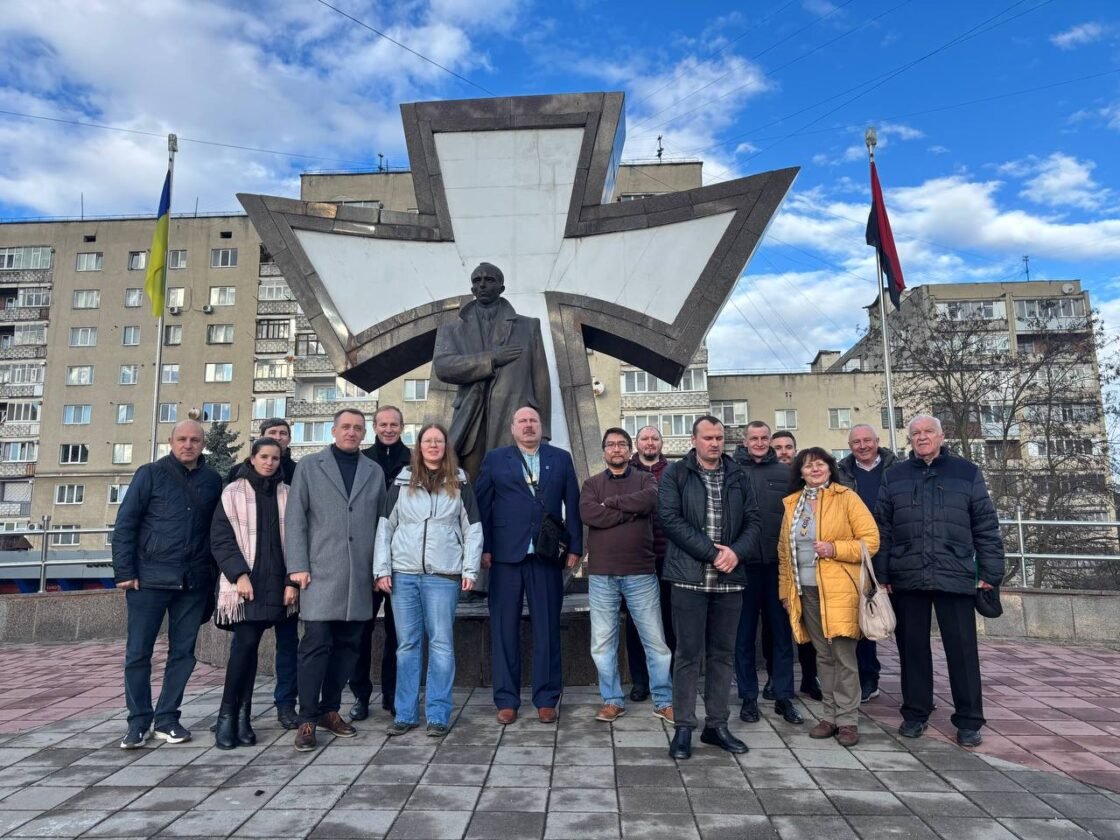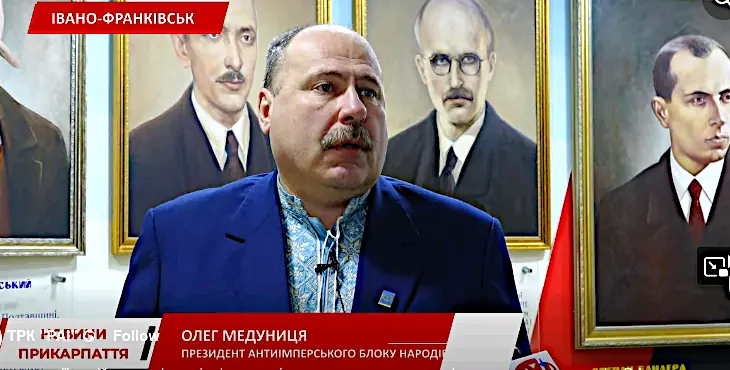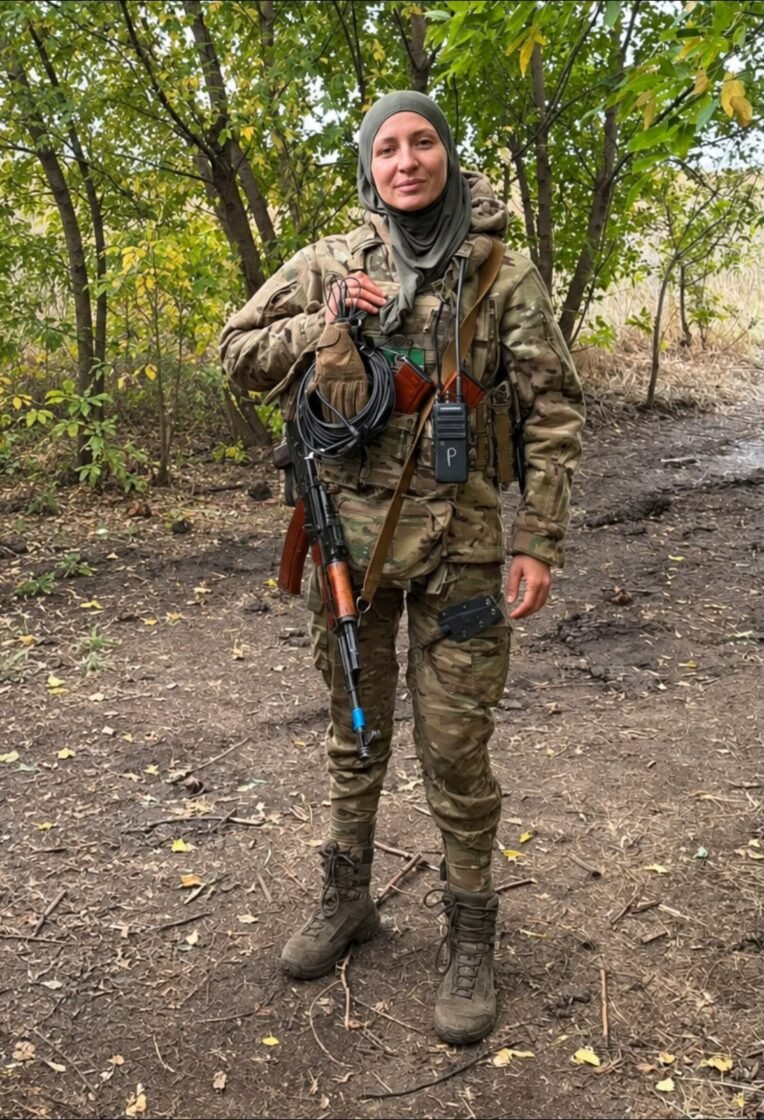
Greetings, dear guests, organizers, and participants of the ABN Congress!
Today, I would like to briefly address the topic “ABN after victory: what will we do the next day?”
This is quite a broad topic, so I will focus on just a few questions, which I hope will provoke reflection and perhaps new ideas for the future.
1. Who will speak on behalf of the people?
We must already understand today what will happen next: who will make political decisions, who will represent the interests of our peoples, and how we can ensure international recognition of newly independent states.
We speak of freedom, independence, and the right to self-determination. But what should follow?
Our goals should not be limited to the weakening and change of power or the dismantling of the Russian imperial system. The future state structure must be based on democratic principles, the rule of law, genuine rotation of power, and the protection of citizens’ interests.
However, the experience of a number of post-Soviet states shows that gaining independence in itself does not guarantee democratic development. After the collapse of the USSR, in some countries, members of the previous political elite retained power or returned to it. As a result, society faced authoritarianism, corruption, and the concentration of power in the hands of certain groups.
How can we prevent a repeat of this scenario?
The political will of the people and the activities of national movements alone may not be enough. Support from democratic states, international partnerships, and conditions that facilitate democratic transition, the protection of human rights, the rule of law, and accountability for the crimes of the previous regime are also important.
It is also important to consider that a significant portion of the current political and economic elites are tied to the existing system and depend on support from Moscow and Beijing. Without the emergence of alternative international partnerships, these elites may be interested in preserving the old order even after its formal dismantling.
And here I want to emphasize a fundamental point.
We, those who today are outside our republics and continue to fight for the freedom and political future of our peoples, must not become instruments of a simple replacement of one elite with another. We must not become “useful idiots” for old or new collaborationist authorities who may use national liberation rhetoric to maintain their own power.
Our goal is to become a genuine political alternative: one with public legitimacy, professional personnel, state development programs, and international connections. We must be able not only to criticize the existing system but also to compete for the trust of our own people and the right to determine the future of our republics.
2. Who will recognize the new states?
We are already seeking, through various legitimate means, to establish cooperation with parliamentarians, government representatives, and political figures from various countries. Of course, not all states and political forces are prepared to openly raise such pressing issues, much less make decisions related to the possible transformation of the Russian political space. However, today, representatives of our peoples and republics are receiving opportunities for dialogue and support from Western democratic states.
At the same time, our struggle is waged not only against the existing Russian imperial system but also for the right to independently represent the interests of our peoples on the international stage. To a certain extent, we must also defend this right in our relations with the so-called Moscow opposition, whose representatives often claim the exclusive right to speak on behalf of all of Russia, including its non-Russian peoples and national republics.
We cannot allow our interests to be represented without our participation after possible political changes.
Therefore, the foundations for future international recognition must be laid today. International recognition should not be started from scratch on the day of independence. To this end, it is important that foreign politicians be introduced not only to the problem of the Russian imperial system but also to specific representatives of national movements—independent political partners with their own positions and the right to represent the interests of their peoples.
And if international partners recognize this right today, it will be much easier for them to recognize our independent states tomorrow.
3. How can independence be transformed into a functioning state?
I cannot speak for all the republics, as each has its own political, economic, and institutional characteristics.
But if we are talking about Tatarstan, we already have many of the foundations of statehood, that is, some of our own experience in republican governance. Institutions and mechanisms do not need to be created from scratch.
I believe that Tatarstan faces the task of restoring and fully realizing its state sovereignty. We need to determine which existing institutions can continue to function, which need to be reformed, as well as bring the legal system into line with international norms and form our own independent foreign policy.
Of course, we need to study the experience of other countries whose political, economic, and social models can be applied to the conditions of our republic. This is not about copying others’ experiences, but about choosing the most effective solutions, taking into account our national, historical, economic, and geopolitical characteristics.
4. Are our peoples ready for independence?
I am convinced that our peoples are ready for independence. But there is one problem: a significant portion of society does not yet understand this. For decades, people have been told that it is impossible to exist, manage the economy, ensure security and social stability without Moscow. Many simply see no alternative and cannot imagine how safe, dignified, and prosperous life can be in their own free country.
We are asked this question quite often, sometimes out of idle curiosity, and sometimes, perhaps, to put us in an awkward position. I have one answer to it.
When our peoples were forcibly captured, no one asked them whether they were ready for this and whether they wanted to live as part of a foreign empire. They fought, but they adapted to the harshest conditions of survival, preserving their identity, language, and culture. We, Tatars, for example, have lived under occupation for almost 500 years. So why does anyone assume that our peoples will not be able to adapt to an independent, free, and prosperous life?
Of course, this will require trained specialists in all strategically important areas, professional teams, and a clear vision of the future. But this can be achieved.
And it is in this regard that I would like to specifically mention the University of Free Peoples—an educational project of the ABN. I myself was trained as part of this project, as were members of my team. We are grateful to the organizers and teachers for the opportunity to gain knowledge, exchange experiences, and form professional ties between representatives of national movements.
But we cannot stop there. We must utilize all available opportunities to obtain professional education, improve our qualifications, and acquire proven competencies.
National movements must gradually transform not only into political and protest organizations, but also into the human resources and intellectual foundation of future states. This is an important transition from activism to state-building.
However, one shouldn’t expect restored or newly created states to show impressive results in the first years—perhaps even in the first decades. Statehood isn’t built overnight. It’s important for the country to move in the right direction, and for the results of this work to become tangible to citizens over time.
5. What role should the ABN play?
I don’t believe the ABN can or should solve all these problems on its own. This is only possible through the joint, systematic work of national movements and cooperation with partner states and allies.
But the ABN can and should remain an important platform for such interaction. It shouldn’t simply unite organizations, but help align positions, shape a common political agenda, develop international ties, and develop joint solutions.
It’s especially important for us that the ABN’s activities don’t cease or lose their relevance after Ukraine’s victory. On the contrary, I believe that it is then that one of the most important periods will begin for our peoples. Practical work will begin to restore sovereignty, form state institutions, build international relations, and work toward the recognition of newly independent states.
At that moment, we will especially need a common platform for cooperation where we can coordinate actions, rely on the support of allies, jointly seek solutions, and analyze threats.
Then, it will be, albeit a little easier, to translate our shared goals into real political decisions and functioning states.
Thank you for your consideration! For our and your freedom! Glory to Ukraine!
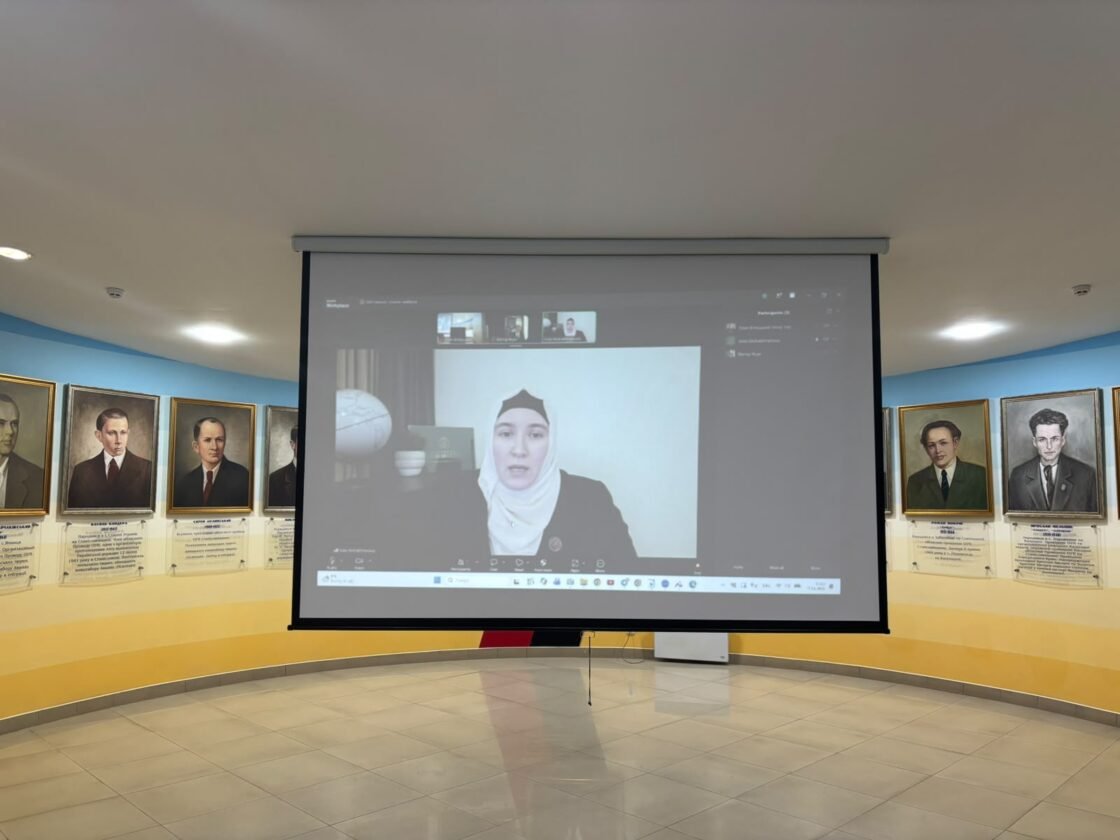
Report by Aida Abdrakhmanova, head of the Tatarstan Independence Committee, vice-president of the ABN