
Today, as Russia’s full-scale war against Ukraine enters its fifth year, many Ukrainians themselves have recalled the historical crimes of the Russians—the Holodomor, the Great Terror, the cultural genocide, the executions of civilians in Bucha and Izyum, and the particularly horrific victims in Mariupol. This should always be remembered and remind others, so that there is a clear understanding of what Russians can bring upon Ukrainians. But beyond the Ukrainian people, dozens of other nationalities have experienced the entire Russian world in all its manifestations. One such people was the Tatars. The Tatars did not feel Muscovite pressure until the time of Ivan the Terrible, specifically until 1552. Before that, they had their own state—the Kazan Khanate, which existed based on trade from the Volga and thanks to its geographical location at the crossroads of routes from Asia to Europe. But in 1552, Ivan the Terrible launched a bloody campaign against the Kazan Khanate, and subsequently against its capital, Kazan itself. Since Muscovite troops were unable to take the city by storm, Ivan the Terrible offered to open the gates to Muscovite troops, promising that the city’s residents would be spared. The people of Kazan, unfortunately, believed this, and as soon as the city’s gates opened, the Muscovites began burning, killing, looting, and raping civilians en masse, and destroying infrastructure. Sound familiar? The Ukrainians experienced the same thing on 2 October 1709, when Peter the Great’s troops, through a traitor, managed to break into the city and commit a massacre.
This clearly demonstrates that Muscovites are a people who are genetically and, therefore, historically prone to crimes against other nations that stand in the way of Muscovite imperial plans. The occupation policies themselves, both in Ukraine and Tatarstan, also need to be examined. Here we see similarities again: the oppression of the culture of the enslaved people, their assimilation by Russians, and their replacement of the indigenous population. Certainly, there were certain economic achievements, but this in no way justifies the Muscovite occupation policy during the Russian Empire, and especially during the Soviet Union, let alone today. This was caused rather by the strategic location of both Ukraine and Tatarstan: they were crossed by transportation routes, hosted the empire’s industries, and housed strategic military centres, all of which impacted the lives of both Tatars and Ukrainians. Today, Ukraine has been waging war against racist Russia for over four years, while Tatarstan, unfortunately, despite attempts in the 1990s to free itself from Muscovite servitude, remains enslaved. And today, the same thing is happening in the occupied Ukrainian territories that has been happening in Tatarstan for the past 30 years: assimilation, deportation of dissenters to distant regions of the Russian Federation, murders of the most active activists if they don’t dance to the Muscovite tune, and economic plunder.
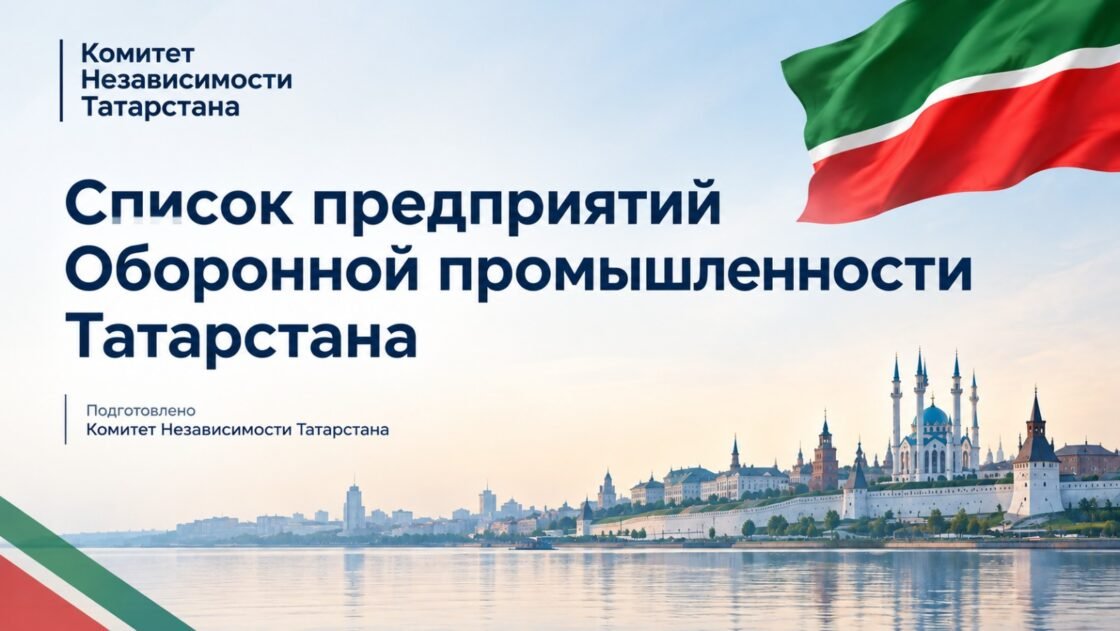
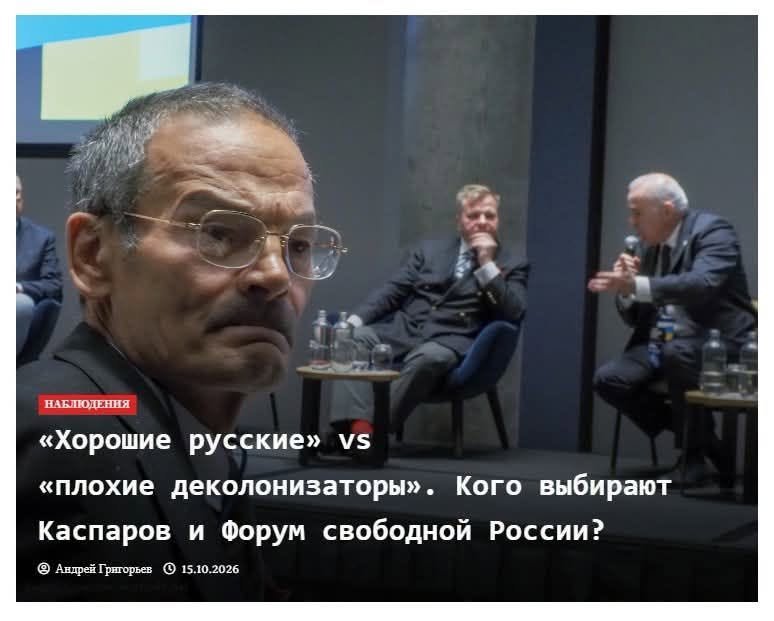
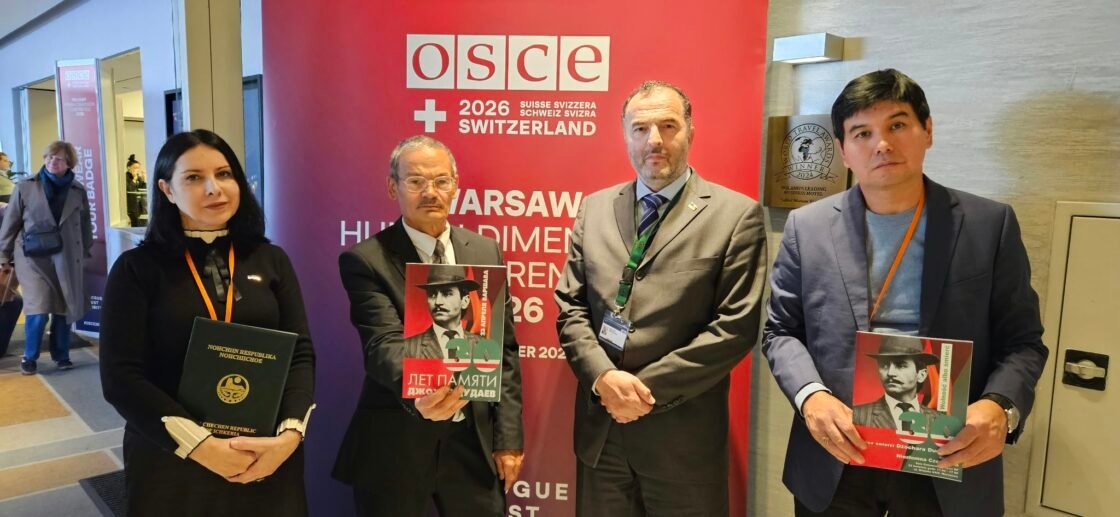
This is the tragedy of both nations—we have much in common. Tatars and Ukrainians (then Rusyns) interacted with each other centuries ago, trading and maintaining good relations with each other. Today, little is known in Ukraine about the Government of Independent Tatarstan in Exile, but they are essentially the only force that, along with numerous Tatar activists around the world, is truly fighting for their people, just as the government of the Ukrainian People’s Republic once did. This is not a Russian “opposition” that limits itself to mere rhetoric on YouTube—it is at the highest level: protests, conferences, agreements with other governments, cooperation with organisations, including Ukrainian ones—all of this makes them worthy of support, because in the future, both Ukraine and Tatarstan will have to build relations at the state level.
Sooner or later, the evil empire will collapse, and if there is a need for that, then we will destroy it together, both Ukrainians and Tatars. Glory to Ukraine! Yashasen Tatarstan!
Matviy Bondar, Ukraine
Правительство Независимого Татарстана