

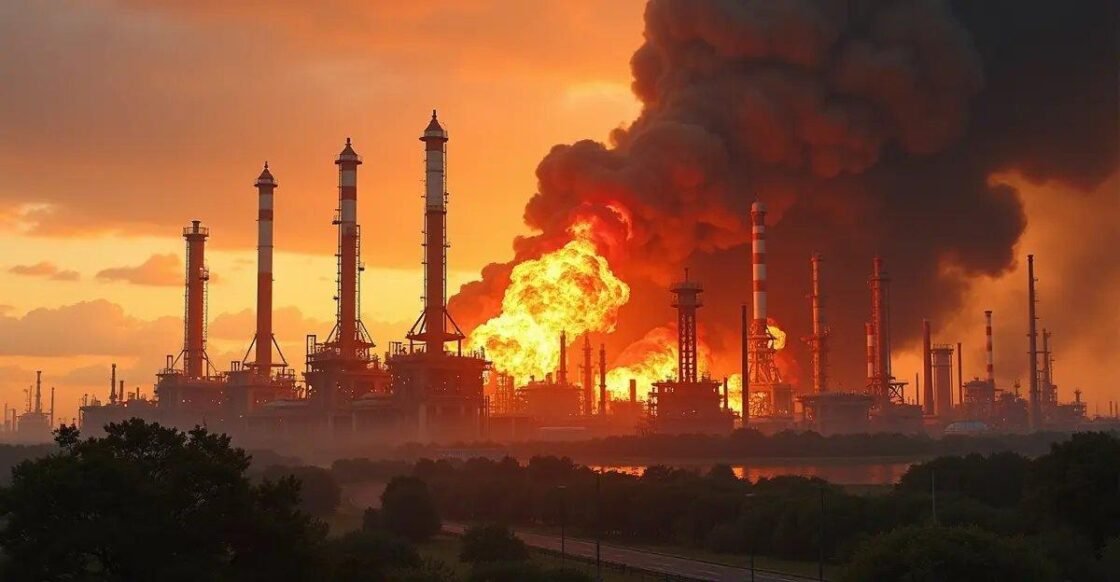
In August, Ukraine carried out at least 21 strikes against Russian oil refineries, a monthly record in the current campaign. Several major facilities were forced to halt or reduce operations, while by the end of the month Russian gasoline production had fallen to roughly 70% of domestic demand.
Moscow has already been forced to compensate through imports and has extended its ban on diesel exports until 30 September.
For Russia, this is more than a fuel shortage. Oil is one of the material foundations of the empire: it provides the Kremlin with money for war, fuel for its military and the means to maintain control over an enormous territory.
When the imperial centre begins to experience shortages of its own fuel, maintaining control over the periphery becomes increasingly expensive.
For Russia’s subjugated peoples, this matters. Their future depends not only on political declarations but also on whether Moscow remains capable of financing war, repression and an imperial system of rule.
Ukraine’s strikes cannot automatically “destroy Russia”. But every sustained blow against the empire’s resource base reduces its capacity to sustain imperial power.
A weaker Moscow means more space for freedom.
And a free post-Russian space could give peoples who have been denied self-determination for generations a chance to decide their own future.






