

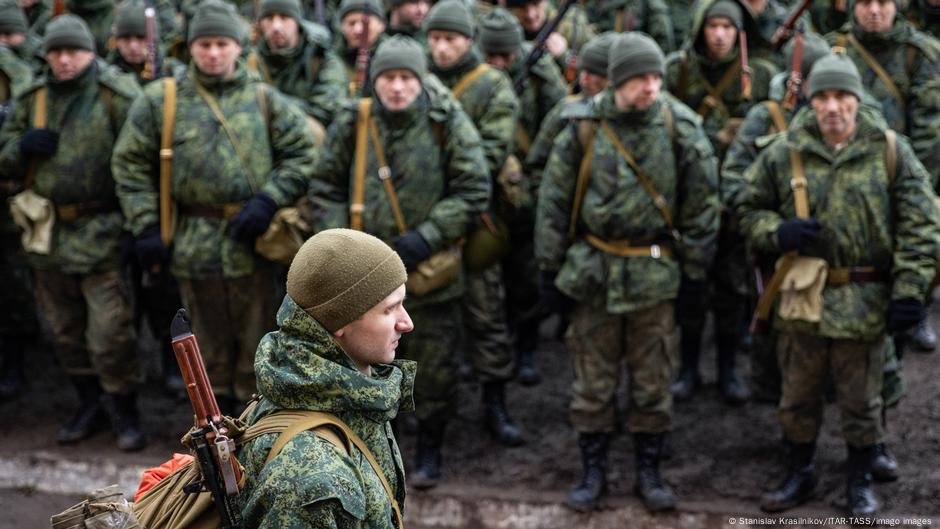
A group of six Russian deserters, who were being prosecuted in Russia on criminal charges and who fled to Kazakhstan, have safely reached France, where the Russians have begun the process of applying for asylum, human rights activists who helped them with their departure reported on Friday, 11 October.
This is the first known case since the start of the war in Ukraine when an EU country has agreed to issue travel documents to a group of several deserting Russian military personnel and conscripts, human rights activists noted.
“Like most other deserters under persecution, they did not have Russian passports; in Kazakhstan, they lived under the daily risk of kidnapping, detention and extradition to Russia, without the possibility of leaving or legal residence. Now, former military personnel and those mobilized from the self-organized anti-war movement of Russian deserters “Farewell to Arms” have reached France,” the human rights activists said in a statement.
“This is the result of more than a year and a half of joint work by a group of human rights organizations: Russie Liberte, the Kazakhstan Bureau for Human Rights, inTransit, the Movement of Conscientious Objectors, and Go to the Forest,” the human rights activists emphasized.
In 2023, France’s National Court of Asylum (CNDA) ruled that deserters from the Russian army and Russians who fled mobilization have the right to receive refugee status. As AFP reported in June 2024, the CNDA has since granted such status to 102 Russians who fled mobilization, but there were no deserters among them.
Since the start of mobilization, 13 thousand cases for refusal to serve have been brought to court
One of the escapees graduated from a military academy, where he received the rank of lieutenant, writes the BBC Russian Service. He spent six months at the front in Ukraine. He managed to go on leave at the end of August 2022. After that, he did not return to his unit and went to Kazakhstan. A criminal case was opened against him for unauthorized abandonment of the unit (Article 337 of the Criminal Code of the Russian Federation), the maximum punishment for ten years in prison. The other Russians who received European exit documents are career officers and two mobilized personnel.
According to Mediazona, since the beginning of mobilization, more than 13 thousand cases of refusal to serve (unauthorized abandonment of a unit, failure to comply with an order, and desertion) have reached court. According to human rights activists, there are hundreds of Russian deserters in Armenia and Kazakhstan.
DW





