


The other day, Russian TV propagandists made a funny mistake – they mistook chevrons with the coat of arms and flag of the Udmurt Republic (part of the Volga Federal District of the Russian Federation) as trophy chevrons of “Canadian mercenaries” who supposedly fight as part of the Armed Forces. Probably, these chevrons belonged to some Russian soldier originally from Udmurtia. At least 570 such people died in Ukraine.
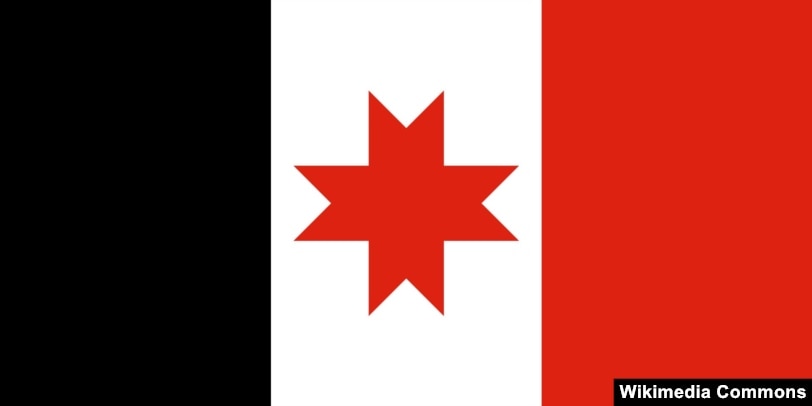
However, this curiosity illustrates the fact that the Udmurts and other Finno-Ugric people are among the most retarded in modern Russia. Their subjectivity, like their symbolism, is too poorly recognized there.
After the news about the “Canadian-Udmurt chevrons”, it was remembered how 5 years ago, academic and public figure Albert Razin committed self-immolation in the capital of Udmurtia, Izhevsk, speaking in defence of his native language.
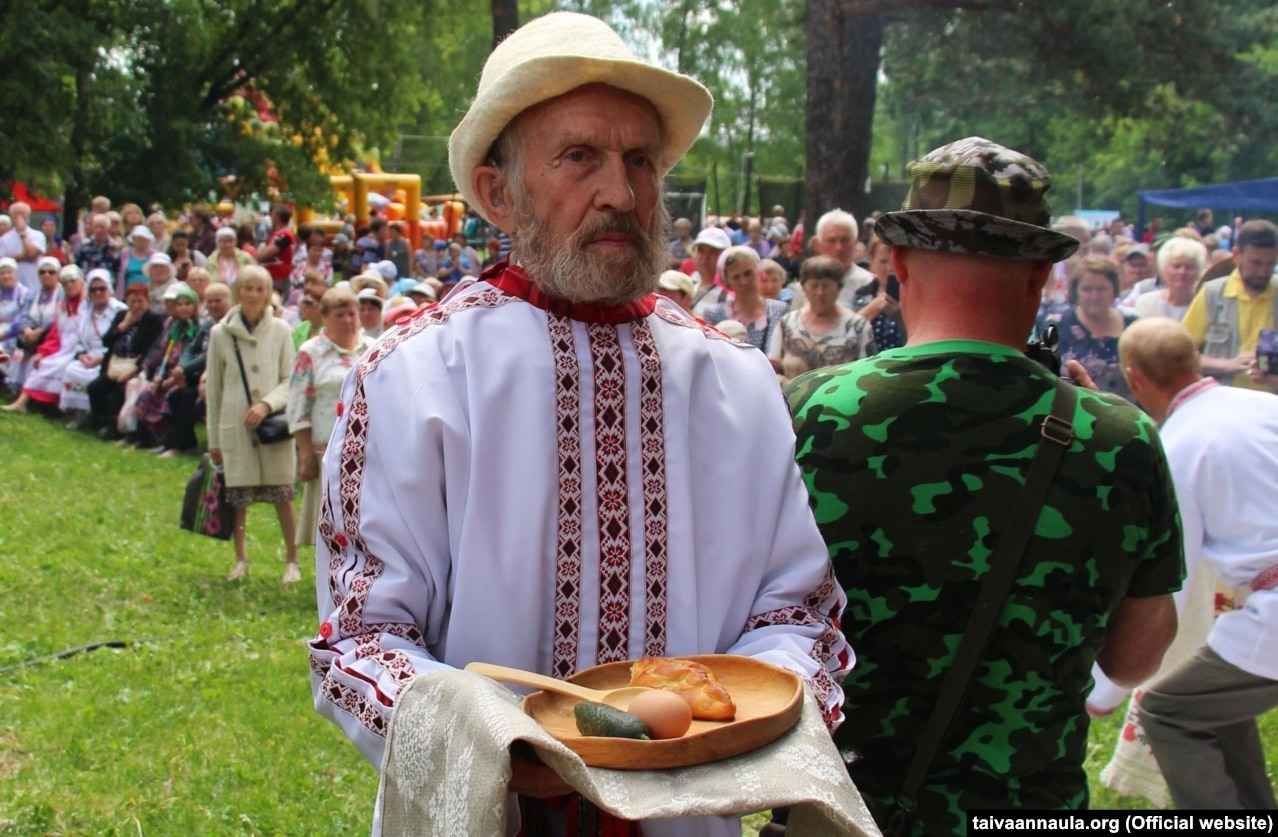
But the fact is that the Udmurt problems are largely close to all the Finno-Hungarian nations of the Russian Federation.
Aborted takeoff
In the early 1920s, when the Bolshevik regime pursued a policy of indigenization, the Finno-Hungarian people gained their national autonomy. On their basis, 5 autonomous republics emerged: Karelian (in 1940–1956 it was even elevated to the united Karelian-Finnish SSR), Komi, Mari, Mordovian, and Udmurt. As noted by historian Teri Martin,” By 1930, they managed to create a respectable literature in their own languages, raised the percentage of literates, and introduced a native-language secondary education.”
However, in the early 1930s, the Soviet special services dealt a devastating blow to the national identity of the Finno-Hungarian people. In 1932–1933, the Chekists fabricated the case of the “Union for the Liberation of Finnish Nationalities”.
Representatives of culture and science of all nations of the USSR were persecuted
Prominent figures of science, culture and literature – Udmurts, Komi, Mari, Mordvins – were accused of wanting to reject Finno-Hungarian autonomy from the USSR and create a “Single Finno-Hungarian Federation under the protectorate of Finland.”
They were also charged with espionage and preparation for terrorist attacks. At the same time, even more large-scale repressions against the Finns and Karelians took place. After all, at that time representatives of culture and science of all nations of the USSR, even Russian, were persecuted. However, it was much more difficult for small nations to recover from such blows than large ones.
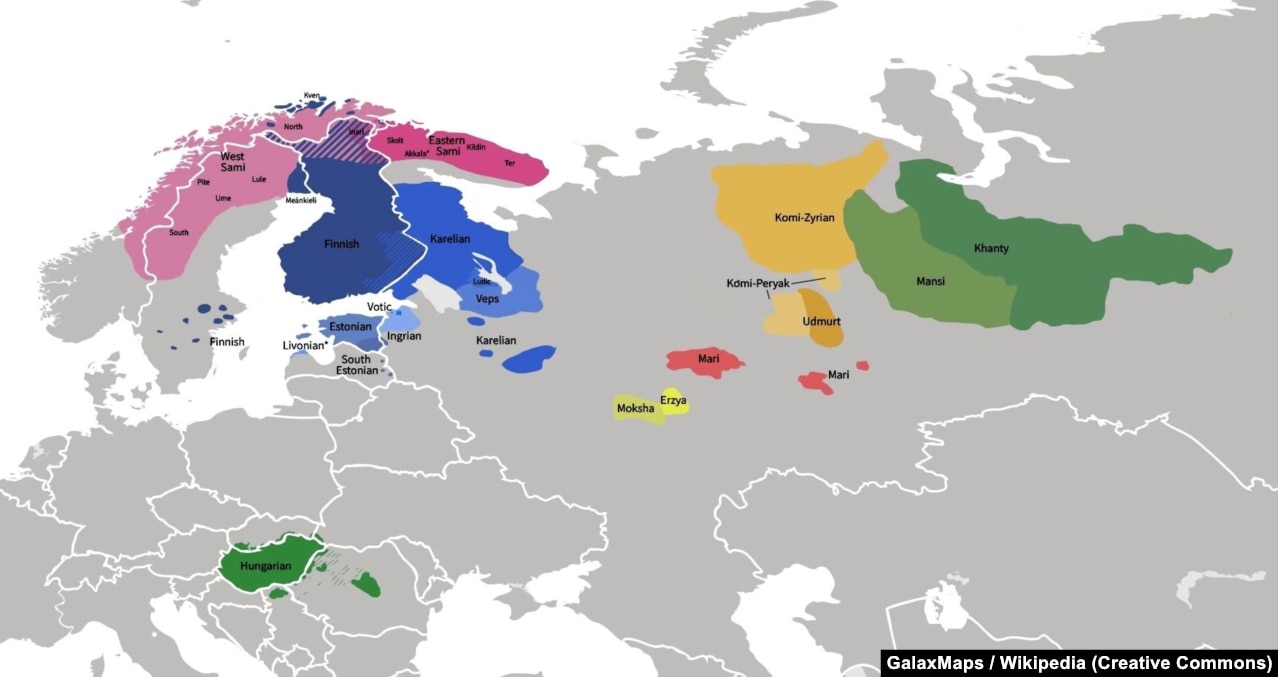
In general, starting from the second half of the 20th century, the presence of national autonomies did not save Finno-Ugric people from assimilation, which became more intense during the years of Putin’s rule.
| Finno-Hungarian autonomous republics within the Russian Federation | The number of the titular people according to the 1926 census (except Mordovia*) | % of the total population of the republic | The number of the titular people according to the 2020–2021 census | % of the total population of the republic |
| Karelia | 100,781 | 37.42 | 25,901 | 5.49 |
| Comey | 191,245 | 92.25 | 127,089 | 17.22 |
| Marie El | 247,979 | 51.44 | 246,560 | 40.09 |
| Mordovia | 405 031 | 34.09 | 290,750 | 37.11 |
| Udmurtia | 395,607 | 52.31 | 299,874 | 20.64 |
* Since autonomous Mordovia was established in 1928, the 1939 census data are given for it
As the census data show, over the last 100 years, the number and mostly the share of the Finno-Hungarian people in their own autonomies has become significantly smaller. Except that the Mordovians (in fact, two separate Finno-Ugric nations are hiding behind this name – Erzya and Moksha) became some 3.02% more.
But the fact is that Mordovia is one of the most depressed regions of the Russian Federation, where the population has decreased by a third over the past 80 years: from 1.188 million to 783.6 thousand people. Therefore, this is a small increase in the share against the background of a significant decrease in the number.
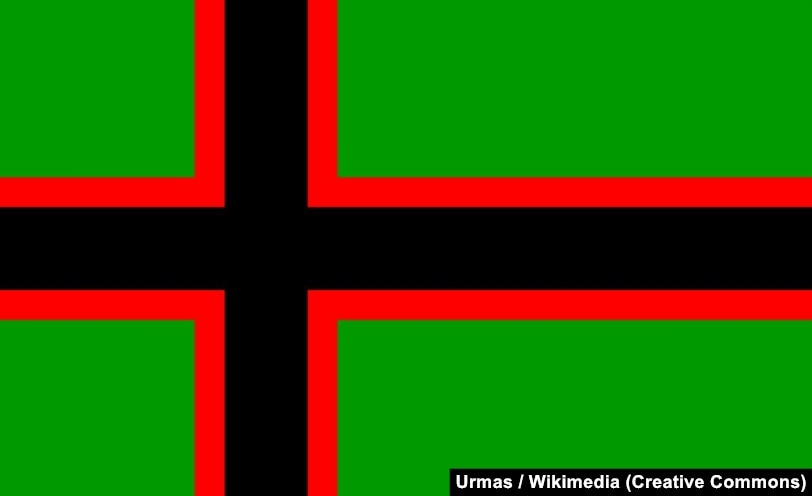
The situation in Karelia is particularly catastrophic. In the second half of the 1920s, Karelians made up more than a third of the population of their own republic, and together with other Finno-Ugric people – Veps and Finns – 41.55%, now make up 6.73%. There is a whole complex of reasons: pre-war repressions and deportations, assimilation, emigration and depopulation of the region.
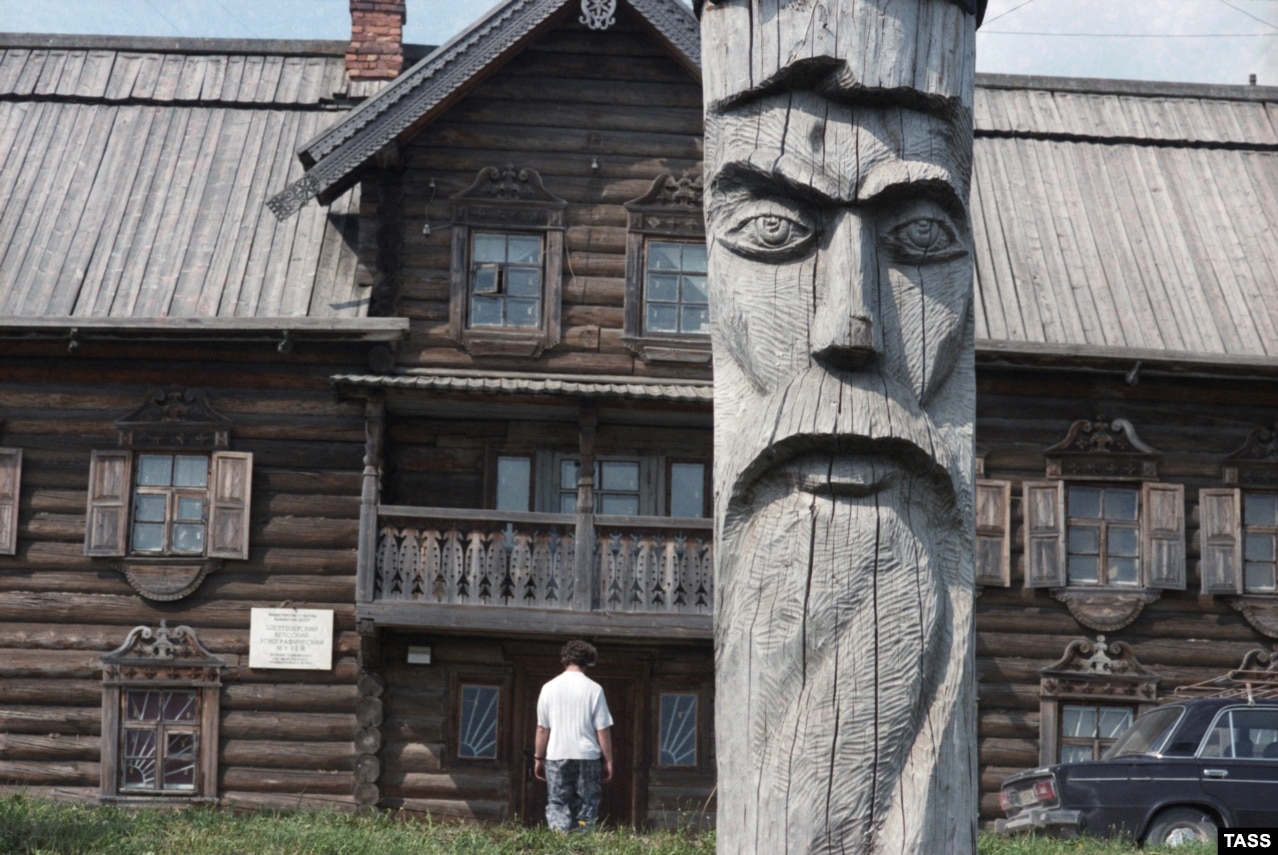
How Ingria was made into the Leningrad Region
Another territory of the Russian Federation that has almost completely lost its Finno-Hungarian population over the past 100 years is the Leningrad region, which is based on the historical Ingermanlandia (Ingria).
At the end of the 19th century, the local Finno-Ugric (Finns, Estonians, Izhora, Vodgians) accounted for 9.92% of the population here, and only 2.69% in St. Petersburg (but then the census took into account language of communication, not nationality). However, during the events of 1917-1920 – revolution, civil war, devastation – a significant outflow of the Russian population took place here.
The local Finno-Ugric people rallied and started a national liberation struggle
In particular, the population of Petrograd decreased by about three times. Instead, the local Finno-Ugric people rallied and started a national liberation struggle. The North and West Ingermanland regiments appeared under the auspices of the national committees.
In alliance with Estonia and Finland (it was more difficult to get along with the Russian White Guards), they fought against the Bolsheviks. In 1919–1920, the Republic of Northern Ingria existed on the Karelian Isthmus.
The Russian historian and philosopher Georgy Fedotov wrote about those times: “As the Russians were fleeing from the empty capital, a St. Petersburg street suddenly spoke in Finnish and Estonian. It became scary: isn’t Ingermanlandia coming back?… But no, the Russian element won.”
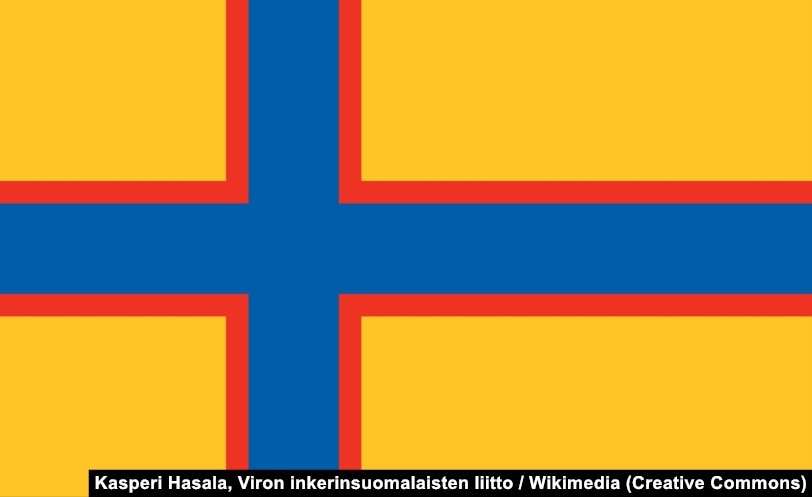
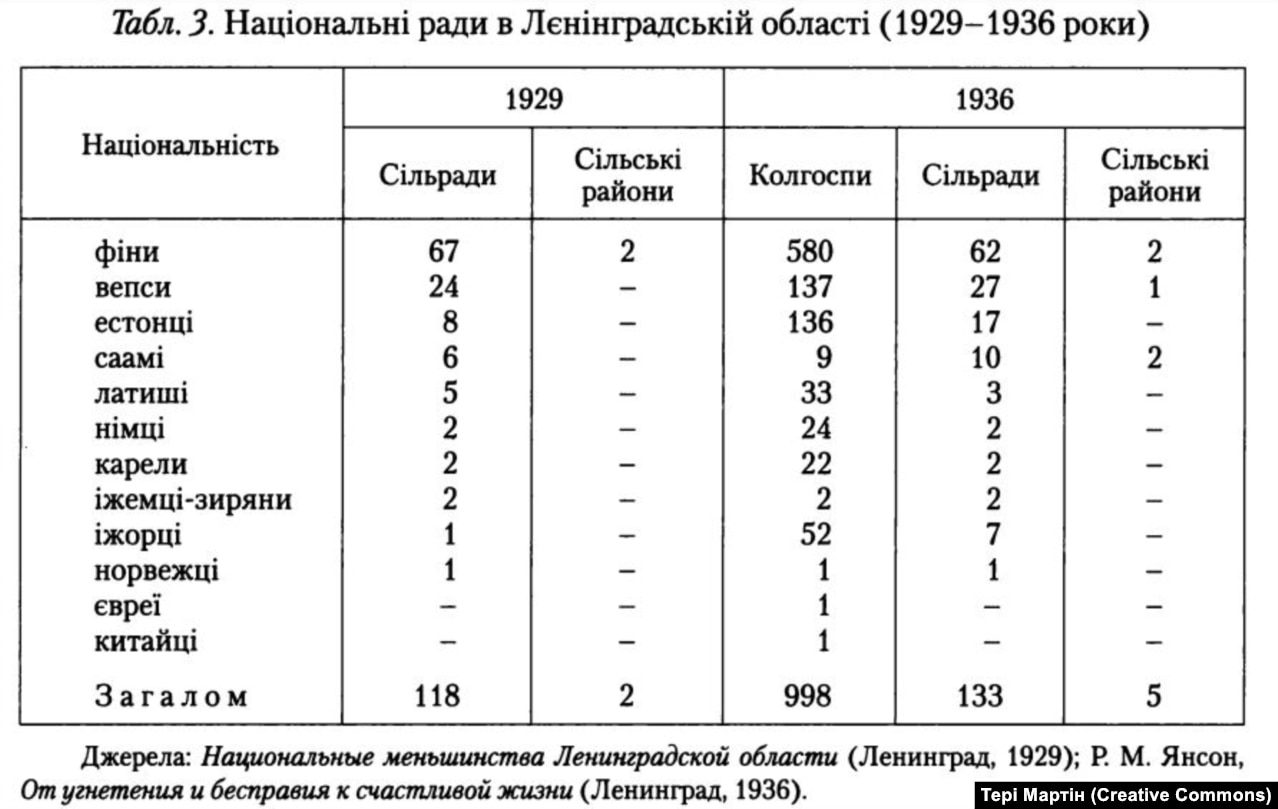
Be that as it may, according to the 1926 census, Finno-Ugric people made up 20.8% of the rural population of the Leningrad province (and this even though in 1920, 13 villages were transferred to Estonia, where they made up more than 80% of the population). The variegated national character of the region reflects a significant number of national rural councils created during the years of indigenization.
Stalin considered the Finns and Karelians potentially disloyal. Therefore, they were subjected to mass arrests and deportations even before the Great Terror, although in 1937-1938 the Chekists did not ignore them either. For example, in the fall of 1935, during the campaign against “Finnish bourgeois nationalism”, about 9,000 people were repressed.
No less a problem for the Leningrad Finno-Ugric people was the fact that they were forbidden to return after the war!
Finally, at the beginning of the German-Soviet war, on August 26, 1941, the resolution “On the mandatory evacuation of the German and Finnish population from the suburban areas of Leningrad” was issued. In fact, it was about deportation to remote regions of the USSR. In March 1942, this order was duplicated. As a result, more than 44,000 people were deported, many of whom died on the way.
No less a problem for the Leningrad Finno-Ugric people was that they were forbidden to return after the war! As though, you have “your” Karelian-Finnish SSR – settle there. Therefore, many people, to return to their homeland, changed their documents and pretended to be Russian.
The Izhora paradox and disappointing conclusions
The Izhora paradox is mentioned here. Izhora is an indigenous Finno-Ugric people of Ingermanland (Leningrad Region). According to census data, about 20 years ago there were 327 of them in the Russian Federation (2002 census), and 812 in Ukraine (2001 census), although according to the 1989 census, there were only 9 of them in the Ukrainian SSR. Russian ethnographers could not explain this paradox and concluded that the Ukrainian statisticians were allegedly mistaken.
In order to return and avoid repression, the Izhora were enrolled en masse by the Russians
Instead, the people’s history gives grounds for such a hypothesis: the izhora sim ply encrypted themselves. The fact is that in 1942-1943 they were resettled by the Germans and Finns, and after the war, the Soviet authorities forbade them to return to their native lands (although the German and Finnish invaders are still to blame for this). To return and avoid repression, the Izhora were enrolled en masse by the Russians. It seems that in Russia they never understood, but instead in Ukraine, they felt like themselves. Be that as it may, according to the 1926 census, there were 16,100 people in Russia, and only 210 according to the 2020-2021 census.
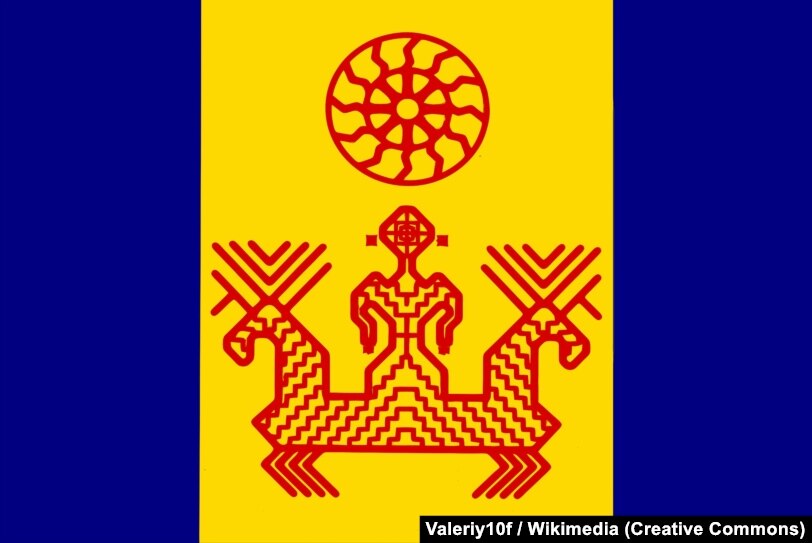
After all, in the difficult 1990s, many Ingermanland Finns, Karelians and others took the opportunity to leave for Finland.
Now the Veps, Vods, Izhora, Karels, and Finns-Ingermanlanders are recognized as “indigenous people” of the Leningrad region, and they have cultural centres financed from the budget, but their population statistic of the region is less than 0.2%.
It seems that modern Russia prefers to see “its” and other Finno-Hungarian people as a form of relict aborigines. Or in the form of Russian imperial trophies.
Dmytro Shurkhalo – author of the program “Historical Freedom”






