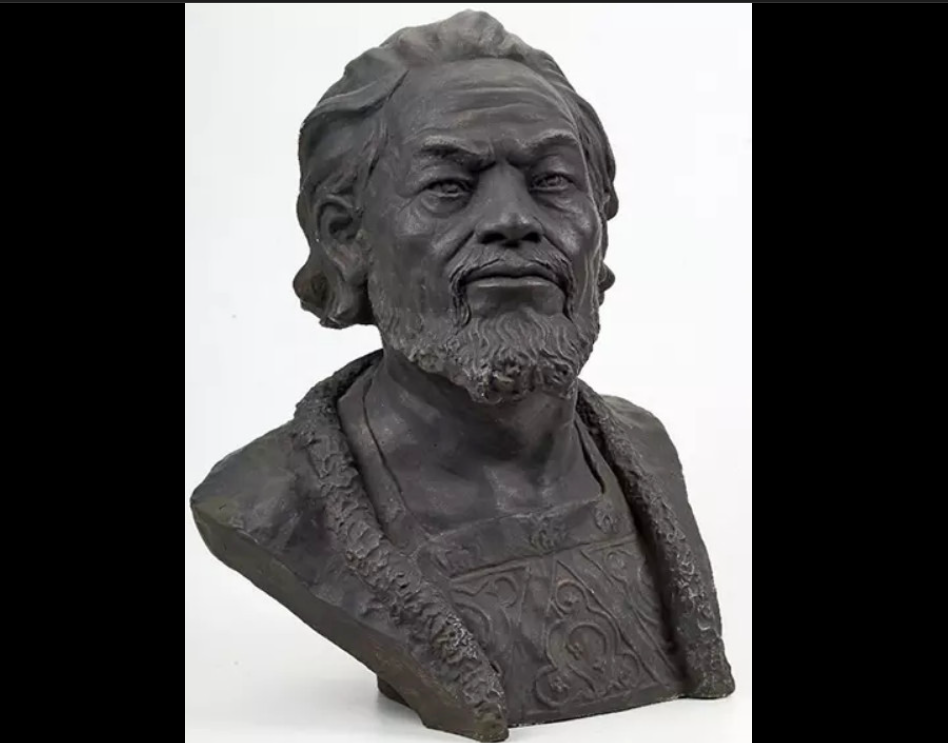
On the Nativity of the Virgin Mary, 8 September 1514, a 15,000-strong army of Ukrainians, Lithuanians, Poles, and Belarusians under the command of our Grand Prince and Hetman of Ukraine, Konstantin Ivanovich Ostrohsky, defeated the superior Muscovite army under the command of Ivan Chelyadnin near Orsha (now Belarus).
According to various estimates by researchers, the losses of the Muscovite army range from five to ten thousand killed, wounded, and captured Muscovites. Chelyadnin, along with ten governors, was captured. Also captured were 37 prominent Muscovite boyars and one and a half thousand nobles, who were the backbone of the Muscovite army.
The path to Smolensk, and later to Moscow, was open, but what Prince Konstantin Ostrohsky feared happened: most of the knights no longer wanted to fight and, having repelled the Muscovite threat, began to gather at home.
The Day of the Battle of Orsha is a few very important lessons for us.
First: we are strong in unity and always win when we have unity. And this is not only unity among Ukrainians, but unity with our closest neighbours and allies.
The second lesson: more than five hundred years have passed since the day of the Orsha victory, but even after half a millennium we have the same enemy. Even after 500 years, Europe is again threatened by Moscow, and we are again at war with Moscow. Muscovites are our existential enemy. We have a unique chance – to finally resolve the Russian issue and destroy this security threat so as not to pass the war on to our children and grandchildren.
The third lesson: Prince Ostrozky used artillery in the battle against the Muscovites, for which they were not ready. We must purchase and master the latest foreign weapons. We must invent new weapons and new creative ways to defeat the enemy. Only in this way will we defeat Moscow!
Lesson four: After the victory at Orsha, the knights of Prince Ostrohsky could have taken both Smolensk and Moscow and finally crushed the Muscovite kingdom, but having repelled the Russian threat, they got tired of fighting and returned home. A little more than a hundred years later, Moscow recovered from the defeat at Orsha and again moved into Europe. We must complete the work of Prince Ostrohsky! We must do everything for the final disintegration of the modern Russian Empire and the final victory over Moscow.
In the Battle of Orsha, Prince Ostrohsky gathered and used large forces of heavy cavalry of knights. In this painting, which depicts the Battle of Orsha, you can see how heavy armoured cavalry crosses the Dnieper. Heavy armoured cavalry is the great-grandmother of modern tank troops. This day is a symbol for our tank soldiers, because it is in memory of the heavy cavalry near Orsha that they wear a beret badge with the image of a cavalryman in a steel knight’s gauntlet.
Believe in the Armed Forces of Ukraine! We will win! Glory to Ukraine!
Andriy Kovalev, historian
Facebook