
Nowadays, Russia resembles an old steam locomotive, rushing at breakneck speed into the abyss. Putin’s obsession with the war against Ukraine is beginning to show in all areas of life. The state administration, economy, and social services switched to the war do not have time to cope with any other challenges. Problems that, in conditions of peace and huge foreign currency export earnings, would be solved instantly, or at least planned, are abandoned and significantly aggravated. An overheated economy begins to acutely feel the lack of key resources: people, money and goods. In conditions of lack of resources, the body begins to devour itself. Believing in the infinity of its resources in the conditions of non-stop meat assaults, Russia faced the threat of complete demilitarization and undermining of the ability to defend the country. According to analysts’ calculations, at the current rate of production and restoration of armoured vehicles, it will last for a maximum of one more year. The front is acutely aware of the lack of manpower. Losses after the Kharkiv adventure began to significantly exceed the rate of replenishment.
It is the snowball of problems rolling uncontrollably on Russia that forces it to shout through the mouths of its agents about the need to stop the war on the current borders.
What exactly is happening behind the reinforced concrete facade of the pretended stability of the “Potemkin Village”.
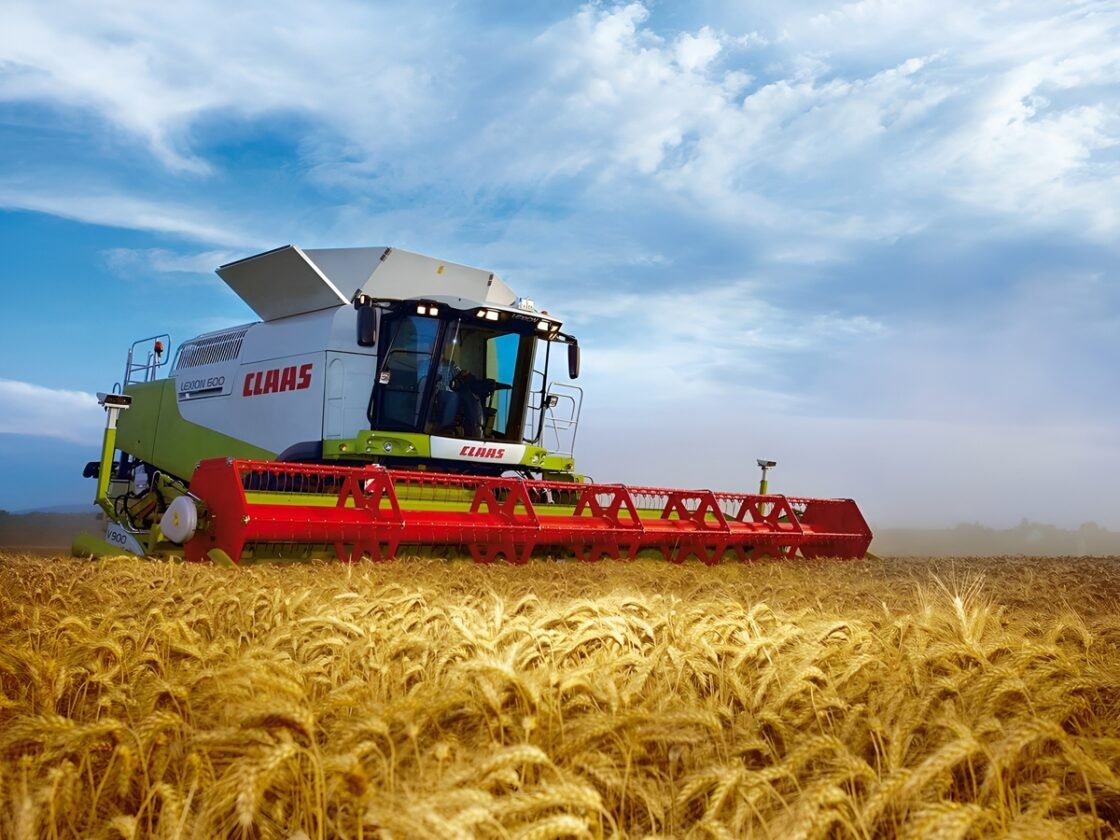
Despite throwing huge money into the defence industry and military problems, which ostensibly gave growth to the economy, inflation uncontrollably eats away all profits. This year, prices in Russia have risen by literally everything. This is symptomatic, not only for imported goods subject to sanctions but also for what would seem to be a bulk in Russia. For example, with constant reporting of record harvests (largely due to the looting of agricultural products in the occupied territories), the price of flour for bakeries in Russia suddenly rose by 30%. This means that the price of bread also increases.
Despite the effect of the gasoline embargo, which was supposed to quell the domestic gasoline market, the prices of “purely Russian” gasoline continue to rise, and the problem of gasoline shortages has not been solved. Now, instead of lifting the embargo at the beginning of autumn (the temporary ban on gasoline exports was introduced from 1 March to 31 August), the Russian Ministry of Energy proposes to extend it until the end of the year. Instead of an increase in foreign currency income from the sale of petroleum products, Russia received a constant increase in gasoline prices within the country. Both stock and consumer prices once again broke last year’s record, which was held since October 2023 and, according to the authorities, was of a temporary (seasonal) speculative nature. Ukrainian drones and the incompetence of the Russian authorities turned the problem from seasonal to permanent.
Regarding imported goods, the problem is even more acute. Of what can still be purchased in Russia, prices have risen for everything.
The “cheap Chinese auto industry”, which was supposed to replace high-quality car brands, not only finished off the corresponding Russian industry but, as it turned out, became not cheap at all. In just six months, car prices rose by 14% and their growth continues. At the same time, the payment crisis with China does not allow it to saturate the market with the necessary services and spare parts. Therefore, Chinese cars are now not cheap and are quite often disposable.
Electronics prices are rising rapidly. After a record increase in prices since the introduction of sanctions, they have again increased in price by 10-15%, and quality brands, such as Apple, by 40%. As with any imported product that has grown from 10 to 50% in a year. Sanctions force suppliers to build increasingly complex and expensive supply chains. The growth of the key rate and the depreciation of the ruble also have an effect. The Houthi friends are also actively helping, who, having disrupted logistics in the Red Sea, have increased the price of imported goods.
The growth of the economy fuelled by military spending could prolong the feigned stability for a short time, but Russia has a catastrophic labour shortage. The witch hunt of illegal migrants and the slaughter of the able-bodied population by frontal butchery assaults provoked a crisis in both civilian sectors and the military. The depth of the problem is evidenced by the so-called “vacancy canopy” when there are several vacant jobs for one unemployed person. Now, on average, there are 2.5-4.5 vacancies per unemployed person. In addition, wage stagnation is observed in most industries, except for the military.
And quickly make up for the shortage with virtually no one. Anti-migrant hysteria, legislative decisions banning migrants from working in certain sectors, and constant mobilization raids only deepen the problem. On the other hand, the scourge of war requires more and more human sacrifices. In the conditions when the Russian army has degraded in terms of technology to a primitive communal one, fighting with numbers and not with skill remains the only method. Hence, the human slave market of one-time regional contracts raises prices again. So, for example, the southern regions began to go beyond the boundaries of the subjects to attract conscripts. Thus, in the Krasnodar region, a one-time payment of 1.6 million rubles has been established, which is more than double the payment in the neighbouring Rostov region, from where potential contractors can get to in three hours. However, luring with payments does not work so effectively. Russia’s losses in the war in Ukraine already exceed the losses of the Soviet army during World War II. So the temptation to conduct another mobilization, which Putin dreams of, will, in addition to negative and unforeseeable social consequences, also kill the industry.
The commodity and labour crises are significantly aggravated by the monetary crisis. Although Russia receives billions of petrodollars every month, it has become a problem to receive this money in person. India, for example, settles in illiquid rupees, and the main trading partner (it is more correct to say metropolis) – China, actually stopped making direct payments with Russia, even in yuan. Therefore, the pernicious monopolistic yuanization of the Russian financial system did not increase the amount of currency in the economy, but, on the contrary, closed the faucet of foreign currency receipts.
Under these conditions, Russia ceases to be able to respond to the simplest challenges. The winter freezing of entire cities in 2023 threatens to turn into a real apocalypse in 2024. After the massive floods, by the way, predicted in the spring of 2024, Russia helplessly watches huge fires, for example in Yakutia and Buryatia, which finish off the already fragile ecosystem. There is no one and nothing to extinguish fires with. Everything and everyone went to war.
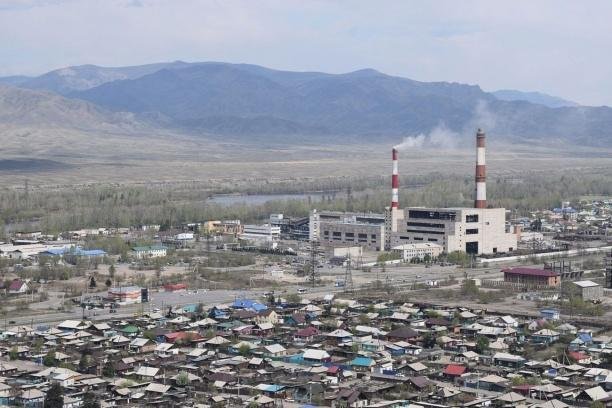
Russia, which dreamed of leaving Ukraine without light and heat, faced a cascade of man-made accidents that turned off the lights in entire regions. In Krasnodar, hundreds of streets were cut off due to accidents at 235 stations. In Buryatia, hundreds of thousands of residents, including the capital, were left without electricity due to the accident at the Gusinoozerskaya GRES. In Chistopol (Republic of Tatarstan), as a result of an accident, residents found themselves without drinking water, which they decided to bring to them in cars for pumping out cesspools and sewage drains. More than 80% of the inhabitants of Kalmykia live without access to drinking water.
Logistics is experiencing a real collapse. Practically not a day goes by without emergencies in aviation. Russia, which decided to independently rivet sanctioned spare parts for imported aircraft, turned air transportation into a real and expensive Russian roulette. Congested medieval railways cut off whole regions from the supply of essential products. Yakutia and the Far East suffer from the impossibility of timely delivery by rail, of paid-for goods, the tariffs for which have increased significantly. This causes a wave of regional shortages and therefore a rapid speculative increase in prices.
A bleak future pushes the country toward a rapid increase in crime. The number of crimes committed by organized criminal groups has almost doubled compared to the pre-war period (by 76% according to official statistics) and continues to rapidly increase every year of the so-called SVO. In Russia, there is a surge in criminal incidents involving illegal arms trafficking. So, for example, the number of robberies and murders with the use of firearms by December 2023 increased from 5 to 17 times compared to 2021. Not all “heroes of the SVO” have returned home yet. At the end of 2023, such statistics were simply closed.
All these factors overlap and trigger each other. Since there is neither the possibility nor the desire to stop the negative trends, Putin’s locomotive rushes forward. And it looks like the next stop in hell…