The topic of autonomy and independence of the regions of the Russian Federation has been in the center of attention in recent weeks. Representatives of the FBK team made loud statements: in response to Garry Kasparov’s speech at the NATO Forum in Vilnius, that “it is not necessary to create a terrible tragedy if Tatarstan, Bashkortostan, or Chechnya separate from Russia”, and Russia should “transform from an empire into a confederation and a parliamentary republic” Georgy Alburov, the head of FBK’s investigation department, called the idea “super marginal”.
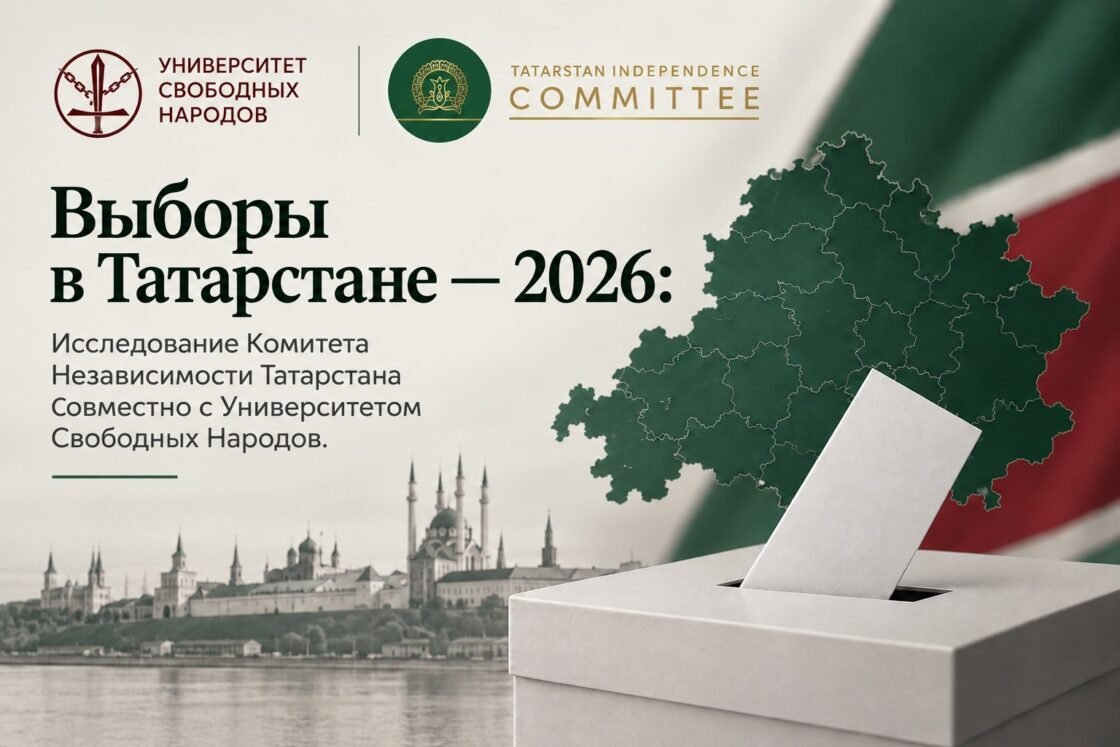
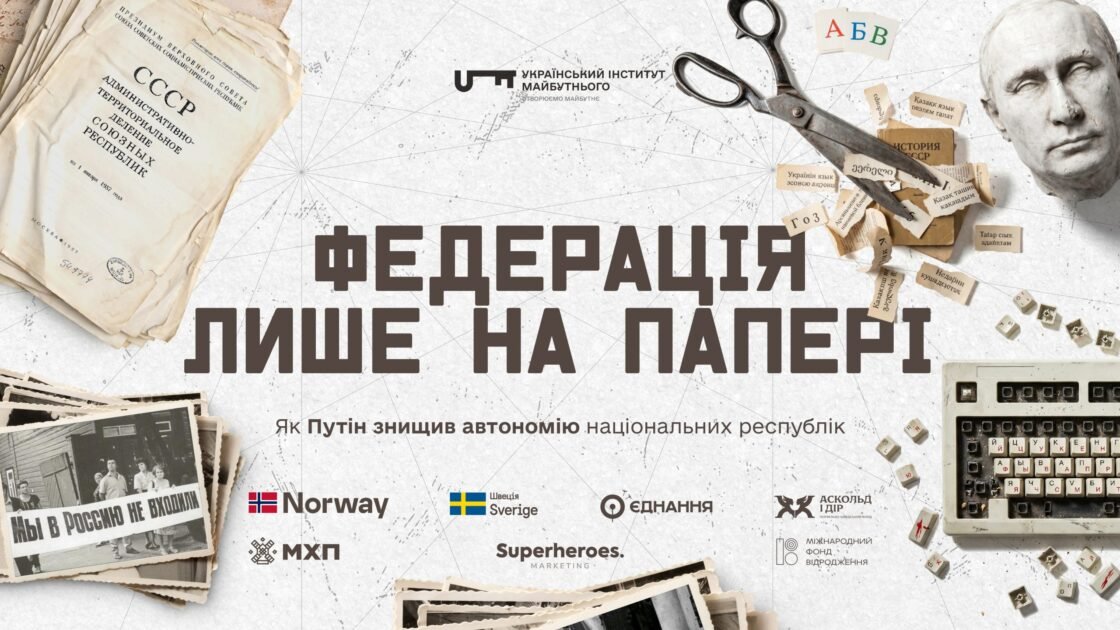
This opinion was supported by the former head of the FBK, Leonid Volkov, and the ex-head of Navalny’s Kazan headquarters, Oleg Emelyanov. At the same time, in several cities and countries, national activists went on pickets timed to the Week of Enslaved Nations: for the independence of Tatarstan, Bashkortostan, and the freedom of political prisoners — national activists and regionalists. And Nafis Kashapov, the deputy prime minister of the government of Tatarstan in exile, even held a picket in Poland for the return of territories occupied by Japan after the Second World War. “Activity” interviewed the leaders of national and regionalist movements to find out who is behind them, what support the idea of independence enjoys and how dangerous it is in Russia to talk about the independence and independence of its republics and regions. We asked them three questions:
1. Who in the regions is interested in independence?
2. How dangerous is it to be a national activist/regionalist in the Russian Federation?
3. Can you name initiatives aimed at obtaining greater independence or independence in your republic/region?
Activatica