

Russia’s war against Ukraine is increasingly damaging not only the front lines but also the regions Moscow uses as the empire’s human and resource reserve.
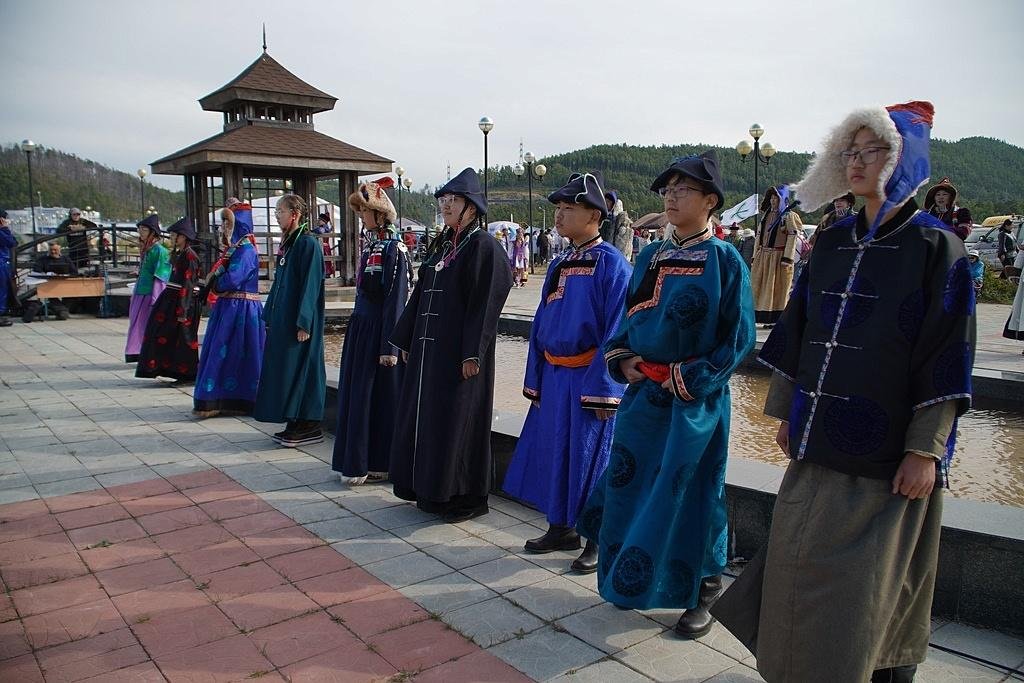
Buryatia is one of the clearest examples. The region consistently ranks among Russia’s leaders in war deaths per capita. In 2026, local authorities have gone as far as requiring businesses to provide people for military service or effectively pay for their recruitment. Even a district hospital received a quota for sending employees to war.
This is no longer simply voluntary recruitment. It is the extraction of human resources from a region for the needs of the imperial centre.
The cost is not limited to lives. According to the OSW Centre for Eastern Studies, the Kremlin is increasingly shifting the financial burden of the war onto regional budgets. Dozens of regions entered 2026 with deficits, while civilian spending is being squeezed and labour shortages are worsening because of mobilisation, deaths and demographic decline. Remote and poorer regions are particularly vulnerable.
Siberia and the Russian Far East remain major sources of raw materials, energy and manpower for Moscow’s system.
This is a classic imperial model: the periphery supplies resources and people, while the centre decides how they will be spent.
For the peoples of Siberia, this carries another implication. Moscow may describe these lands as an inseparable part of Russia, but its own policies reveal a different logic: they are treated primarily as territories from which resources can be extracted.
That is why Russia’s future decolonisation is not only a question of borders. It is also a question of who controls Siberia’s resources, budgets and human potential — Moscow or the nations and regions themselves.
An empire remains strong as long as its periphery can be made to pay without limit for its ambitions. When the bill becomes too high, it is not only the periphery that begins to crack — the centre does.






