“Pravda” called for support for the enslaved nations, printed a speech by Yaroslav Stetsko, demanded the release of Ukrainian political prisoners, and called on the West to adopt a tougher policy toward the USSR.
Sound like historical fiction?
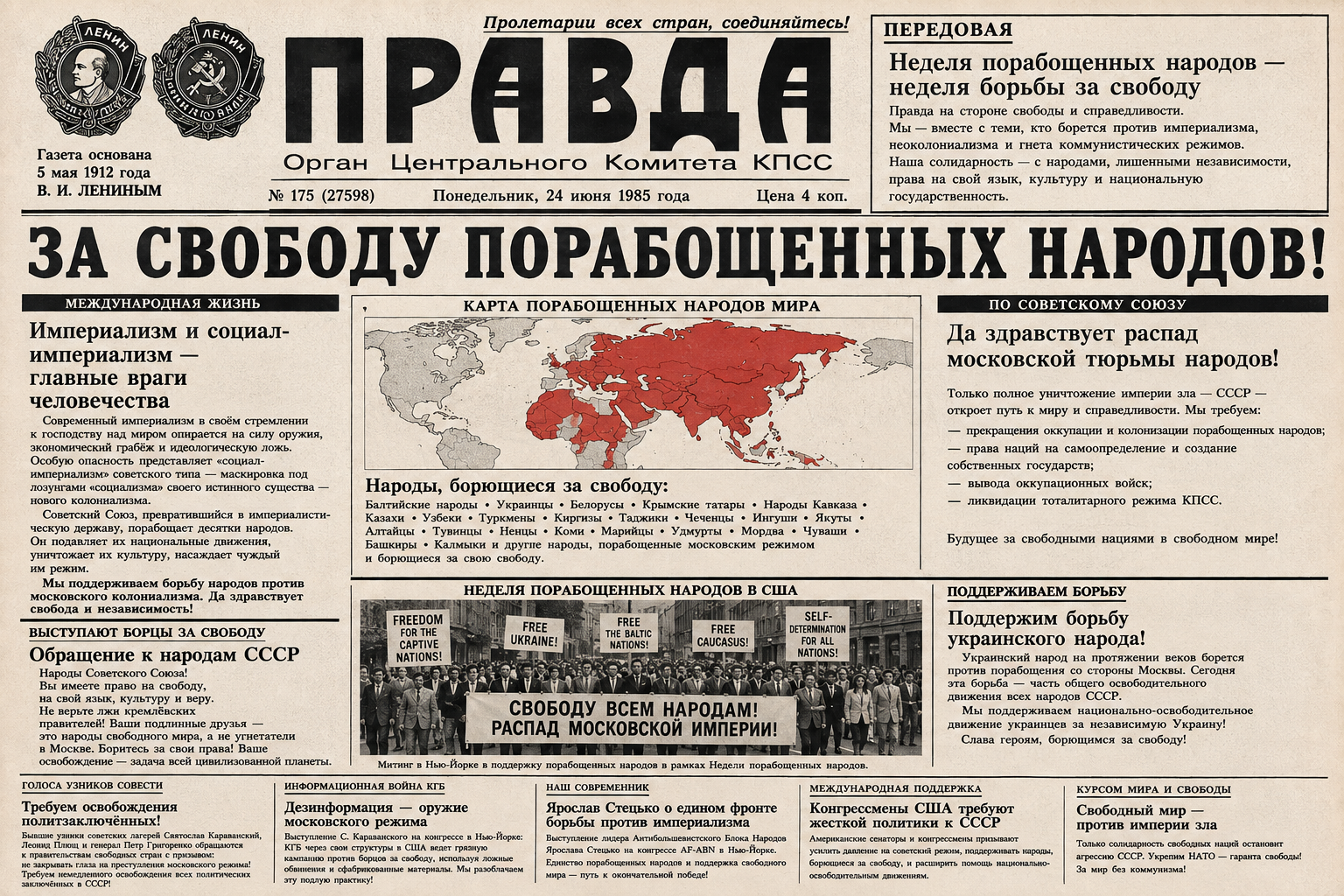
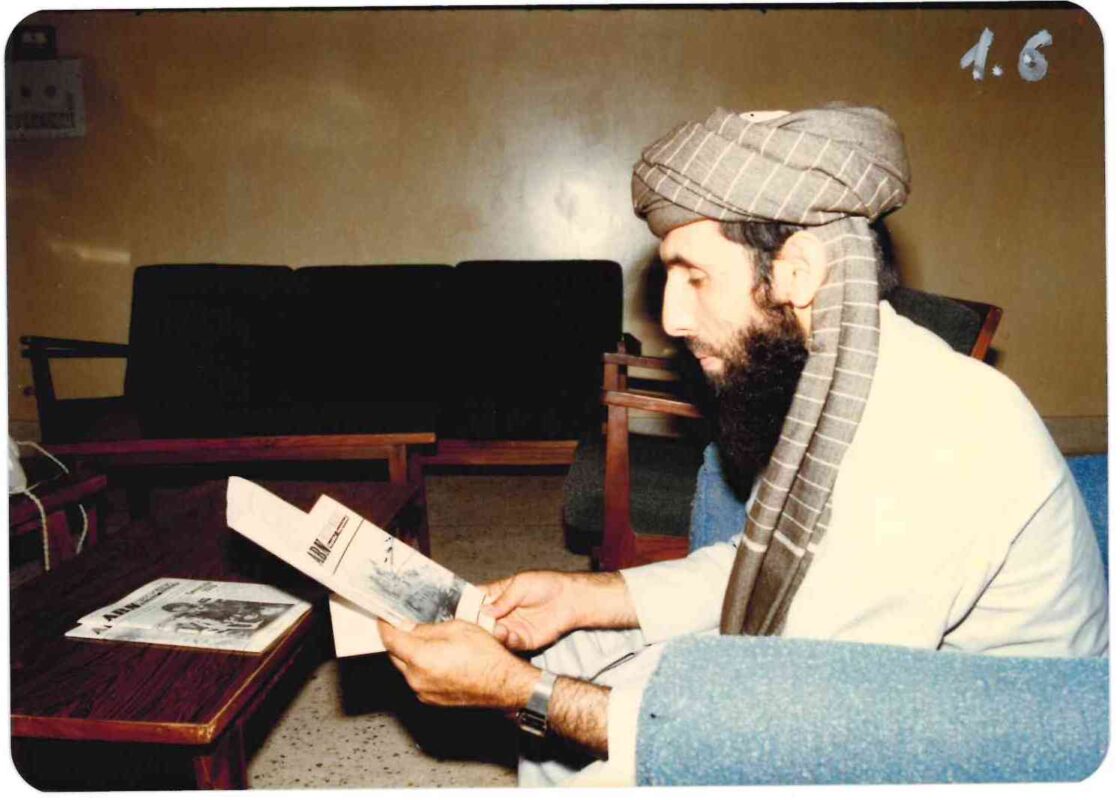
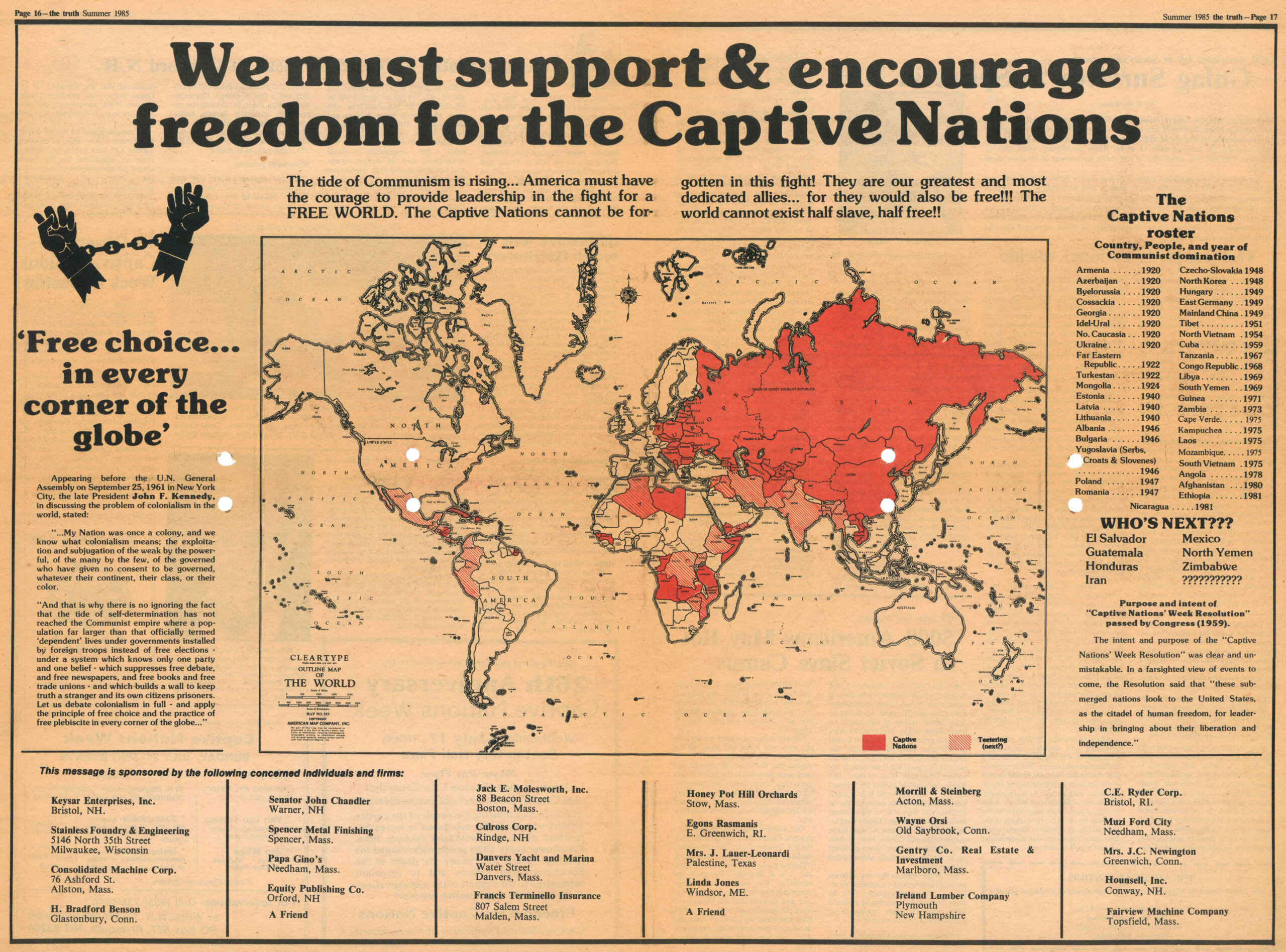
But only until it becomes clear that this is not about the Moscow “Pravda”, but about the American newspaper The Truth, which was published in the USA. Its summer issue of 1985 was almost entirely devoted to Captive Nations Week – an annual American campaign initiated by President Dwight Eisenhower in 1959.
The American response to the Soviet empire
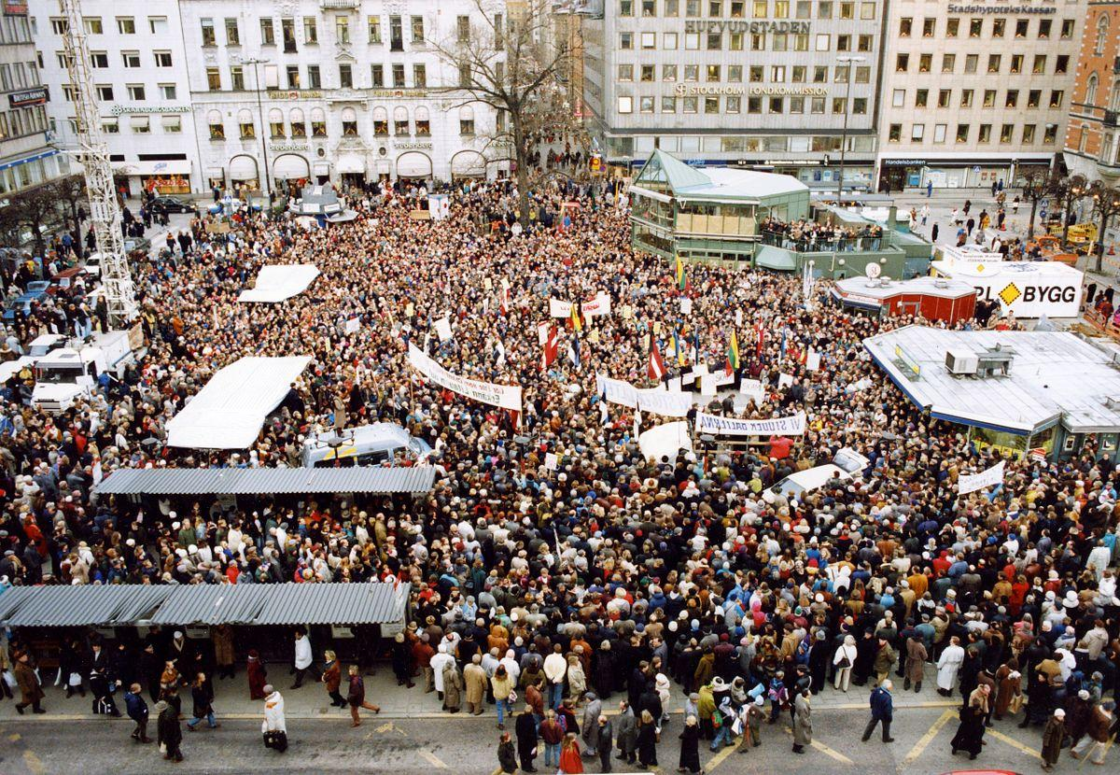
The Captive Nations Week was not just a symbolic action. It became part of the great information struggle of the Cold War. Rallies, conferences and demonstrations were held in the USA, and local governors and mayors issued corresponding proclamations. Representatives of Ukrainian and other nations enslaved by Russian communism around the world held wide information and political actions, reminding: the empire must be destroyed!
This issue of The Truth details the events in Boston, New Hampshire, and other U.S. cities, emphasising that Americans should remember the peoples who remain under the rule of communist regimes. The central slogan of the issue was:
“We must support & encourage freedom for the Captive Nations”
The newspaper prints a map of the world, with countries under communist control marked in red, and dozens of enslaved nations listed nearby, from Ukraine and the Baltics to Cuba, Afghanistan, and Ethiopia.
ABN competitor?
Few people today remember that the American project Captive Nations Week and the network of organisations that supported it owe a certain amount to the activities of the Anti-Bolshevik Bloc of Nations (ABN). It was founded in Munich in 1946 on the initiative of Bandera’s OUN.
However, American political circles sought to have their own, more controlled platform for cooperation with émigré organisations of enslaved nations. We do not know for sure, but it could be that Yaroslav Stetsko was even offered closer association or the actual entry of the ABN under American political protection. However, he did not agree, insisting on the independence of the international anti-communist movement he led. Actually, this fit into Stepan Bandera’s doctrine – reliance on one’s own strength. There is no documentary evidence of this particular story in this issue of the newspaper, but it is repeatedly mentioned in memoir literature as one of the little-known episodes of the Cold War. Chronologically, the split in the Central Committee of the OUN, when some figures (the so-called “doubles”) defected to the American project, almost coincided with the crisis in the ABN and the withdrawal of several delegations from it… Whether this was related to the creation of the Assembly of Captive Nations by the Americans is another story, and it is still up to researchers to figure it out.
Yaroslav Stetsko is one of the main characters of the issue
Despite the existence of various international centres of the anti-communist movement, it is Yaroslav Stetsko who occupies one of the central places in this issue, which once again destroys stereotypical ideas about history.
The newspaper extensively covered the congress of the American Friends of the Anti-Bolshevik Bloc of Nations (AF-ABN), which took place in New York. The main theme of the forum was the need for a united front of enslaved nations against Soviet imperialism.
In his report, Stetsko called for:
- to create a united front of national liberation movements;
- to support the liberation struggle of the nations of the USSR;
- to combine the political, economic and informational pressure of the West on Moscow;
- to strengthen NATO as the guarantor of Europe’s freedom.
The newspaper also features speeches by American congressmen who openly supported the ABN and its activities.
Ukrainian political prisoners are among the main topics
Of particular interest is the material on the activities of former Soviet political prisoner Svyatoslav Karavansky.
The newspaper reports that Karavansky gave a report on Soviet disinformation (the then information component of “hybrid warfare”) and the work of a special department of the US Department of Justice ( OSI ), which used materials prepared by the KGB during investigations into immigrants from Eastern Europe. Karavansky argued that Soviet intelligence services deliberately discredited Ukrainians, Latvians, Lithuanians, Estonians and other anti-communist emigrants, accusing them of collaborating with the Nazis.
Another article is devoted to former Soviet political prisoners who called on Western states to reconsider their approach to the Helsinki Accords. Ukrainians Leonid Plyushch and General Petro Hryhorenko were named among the authors of the appeal. They claimed that the USSR was using the Helsinki process as diplomatic cover while failing to fulfil its human rights obligations.
Thus, the issue raises the topic of protecting Ukrainian dissidents and former political prisoners of the Moscow-communist regime — primarily Svyatoslav Karavansky, Leonid Plyushch, and Petro Hryhorenko.
Document of the era
The 1985 summer issue of The Truth looks like a true Cold War document today. It features American conservatism, anti-communist propaganda, the activities of the ABN, the struggle of Ukrainian dissidents, and a global campaign in support of enslaved nations.
There is a certain element of intrigue in the title of the proposed article. After all, when you read the headline “Pravda Newspaper on the Captive Nations Week”, the last thing that comes to mind is an American newspaper that openly supported Yaroslav Stetsko, Ukrainian political prisoners, and the struggle of the nations for liberation from the Moscow empire.
Therefore, with the help of AI, we also selected a suitable image for the text. And then – who knows… Maybe they will soon print similar appeals in completely official newspapers in the vast expanses of the dying Muscovite empire.
The American newspaper The Truth itself is genuine. It is the last one discovered and arranged at this time in the OUN Archive under the “anniversary” number 300.