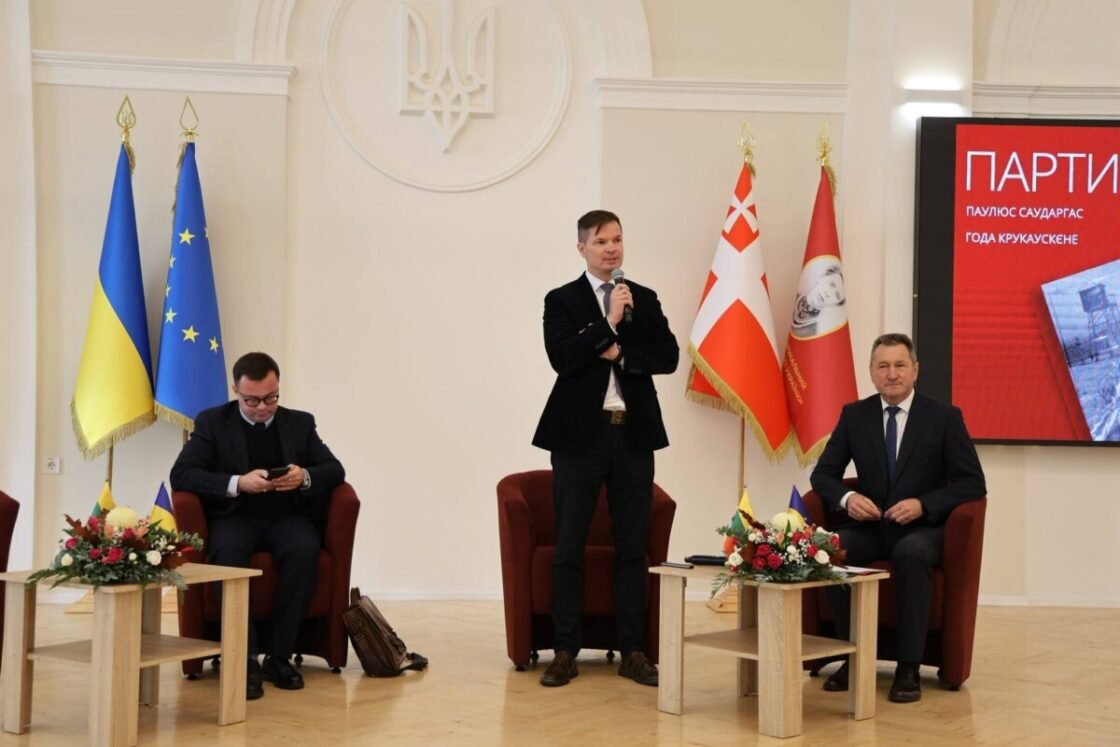

On 24 March, we participated in an event that, without exaggeration, lays the foundation for a new political reality. The first official meeting of the Interim Group for Liaison with the Captive Nations of Russia, with leaders of national and regional movements, took place within the walls of the Lithuanian Seimas.
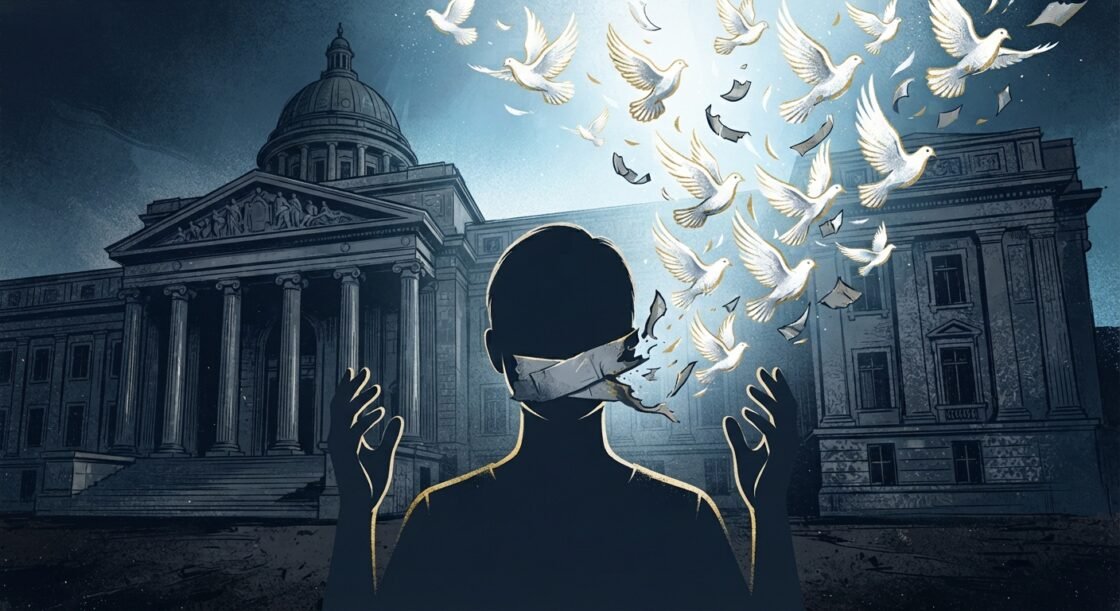
This is not just a formal event. It is the creation of a direct platform for those who envision a future for their regions free from imperial oppression. We have gathered so that the voices of our peoples can finally be heard from a high European platform.
The discussion was extremely specific. Each participant presented not only the pain of their people but also a clear strategy for action:
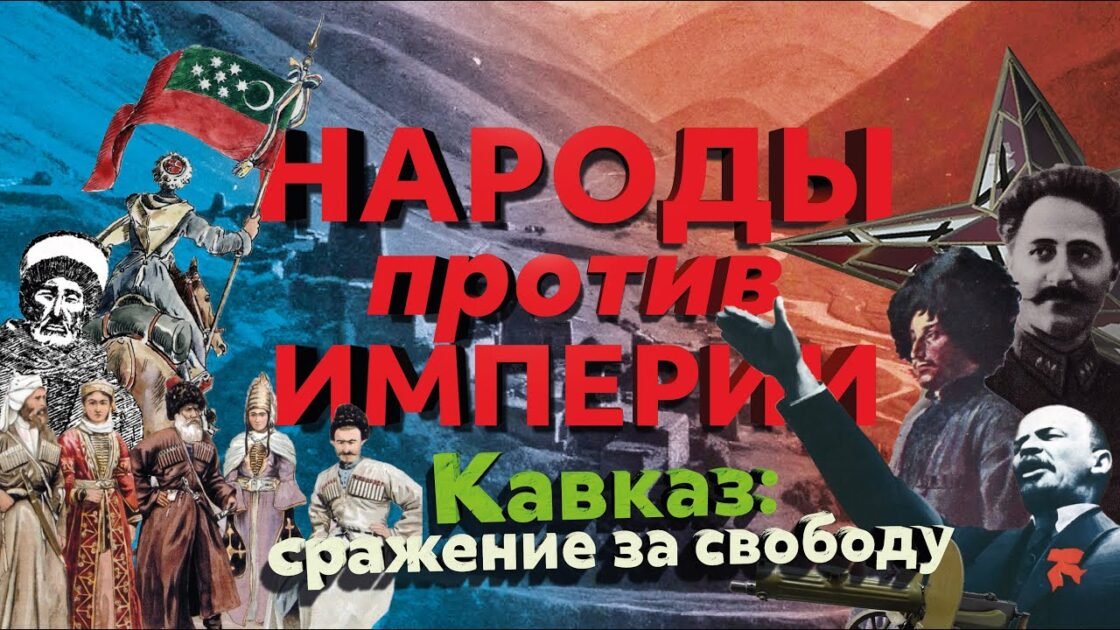
Circassian National Movement (“World Circassian Agency”): Ibrahim Yaganov presented the concept of the Volga-Don Alliance, emphasising its enormous economic importance as an independent transportation hub. Together with Rustam Khuazhev, they addressed issues of historical memory and the international protection of Circassian rights.
Chechen movement “United Force”: The movement’s leader, Dzhambulat Suleimanov, spoke in detail about its active initiative work in PACE and its strategy for restoring the statehood of the Chechen Republic of Ichkeria.
Denis Teps (Caucasian Union): He presented the essence of the Union’s work—the development of legal models for regional integration and a confederal structure to ensure peace in the Caucasus.
Alexander Zolotarev (Don Republican Movement): Raised the fundamental question of recognising the Decossackisation as genocide. Without this legal assessment, it is impossible to restore the political rights of the Cossacks.
Dzhabrail Mirzoyev (Dagestan Centre): Focused on the tragedy in Dagestan: “We are preparing reports for all global platforms on forced mobilisation, which is effectively an instrument for the destruction of the Dagestani people.”
Raisa Zubareva (Sakha Republic): She spoke about how the shared historical past of Yakutia and Lithuania is being systematically destroyed and emphasised the importance of the region’s economic sovereignty.
Anvar Kurmanakaev (Nogai El): Presented facts about the long-term policy of extermination of the Nogai people and the struggle to preserve national identity.
I consider this an important victory for national movements.
For members of the Seimas and international partners, this dialogue is an opportunity to receive alternative information directly from representatives of the people, bypassing the Kremlin hierarchy.
Our goals are clear:
Support for national movements and human rights defenders.
Direct information interaction with Europe.
Search for new regional security scenarios.
“We are no longer the objects of someone else’s politics, we are its subjects. This is the path to freedom, which we will walk together.”
At this stage, Lithuania has become the main hub for national movements in Europe, so there will be those who will voice their criticism, but that’s not a bad thing. Criticism allows us to see the next step.