
“Despite his long-term presence in politics and international recognition, neither Vladimir Putin nor his activities are a permanent element of international politics” – this is a completely rational thesis of Hermann Pirchner, which should be supplemented.
The existence of the Russian Empire, precisely as an imperial centre with colonized regions and nations, is not a constant, and even more so is not guaranteed by either physical or metaphysical explanations. The collapse of the Russian Empire after the First World War, the collapse of the USSR, the fall of the Warsaw bloc – these are successive stages of ruptures that did not seem inevitable, but rather not so important in the political centres of the world at that time.
That is why the perception of the collapse of the Russian Empire at the beginning of the 20th century among European elites caused not only fear of chaos but also true regret for lost investments and much capital invested in various industries.
Even the collapse of the USSR and the emergence of new states did not become a sign of awareness of real changes in the perception of the area that was once part of the empire. There was a prevailing opinion that Russia itself would go through the post-Soviet transformation. They say, that, the democratization of Russia, the increased importance of regions and national minorities, the rejection of aggressive policies and interference in the affairs of third countries will happen by themselves, and “shuttle diplomacy” will defeat the old Chekist plans for the continuation of the cold or hot war.
Why could the West not imagine or assume the collapse of the USSR? This is an important methodological question that needs answers. First of all, because it was quite loyal and sympathetic to the propaganda that rejects the difference between the Russian Empire, the USSR and even present Russia. Accordingly, when it was discussed whether Ukrainians, Georgians or Belarusians deserve their own statehood and full sovereignty, the inevitable question arose about the world’s vigilance of the interests of Russia, which has its supposedly “reasoned” reservations about its neighbours, which were forced to live within the borders of USSR.
Currently, when Russia has formed an aggressive block of authoritarian and totalitarian states and continues the war against Ukraine, it is increasingly important not only to revise the frankly failed strategies of containing Russia at the cost of the Ukrainian, Georgian, and Chechen nations, demonstrated earlier, but also to prepare qualitatively for the future division of Russia, taking into account all security, social and political factors.
One of the profound researchers of Russia, Janusz Bugajski, does not hide the solely pragmatic content of such an approach, for example, for the USA: “In order to avoid a forced permanent defensive position, Washington must plan not only for a series of destabilizing, regional scenarios along the flanks of NATO but also prepare for a deepening of the crisis in Russia itself”.
An effective approach to managing the collapse of Russia is not to repeat the mistakes of the Yalta international system, where the fate of entire territories, countries and nations depended solely on the will and positions of a few political leaders. First of all, in the search for partners from among supporters of new regional states, pro-independence groups among non-Russian nations of the federation, who are ready today to jointly discuss the future and present both their visions and propose new approaches to interaction with the EU, NATO and other influential players in the world politics
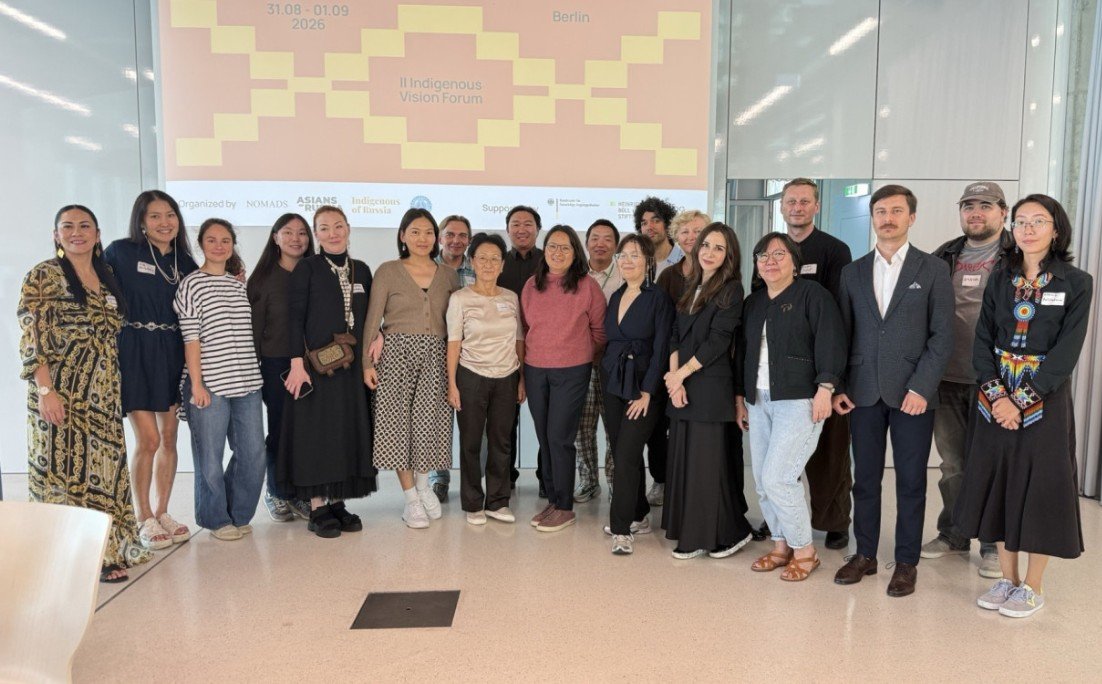
That is why the emergence and functioning of the Forum of the Nations of Post-Russia platform is an important tool for an analytical, not an emotional, study of the actually existing rifts and conflicts in modern Russia, as well as a common space for discussing the possibilities of creating the conditions for a future safe space in the place of the former empire.
Stanislav Fedorchuk, head of the “Post-Russia” programme of the analytical centre Ukrainian Strategic Initiative of the Kyiv-Mohyla Academy
Цензор.нет