Russia, one of the world’s largest exporters of oil and petroleum products, is forced to import gasoline for its own domestic market.
This is not just another economic problem for the Kremlin. The fuel crisis demonstrates the vulnerability of Russia’s resource model, which for decades has turned the country’s vast natural wealth into a tool for financing the state machine and war.
Reuters reported that Russia has started importing gasoline from India due to fuel shortages. One of the tankers delivered about 68,000 tons of gasoline to the Russian Arctic port of Vitino. More shipments are expected. Russia is also increasing imports of petroleum products from Belarus and Kazakhstan.
On 20 August, Russian authorities confirmed the fact of fuel imports.
How an oil giant ended up in deficit
The reason is a combination of several factors.
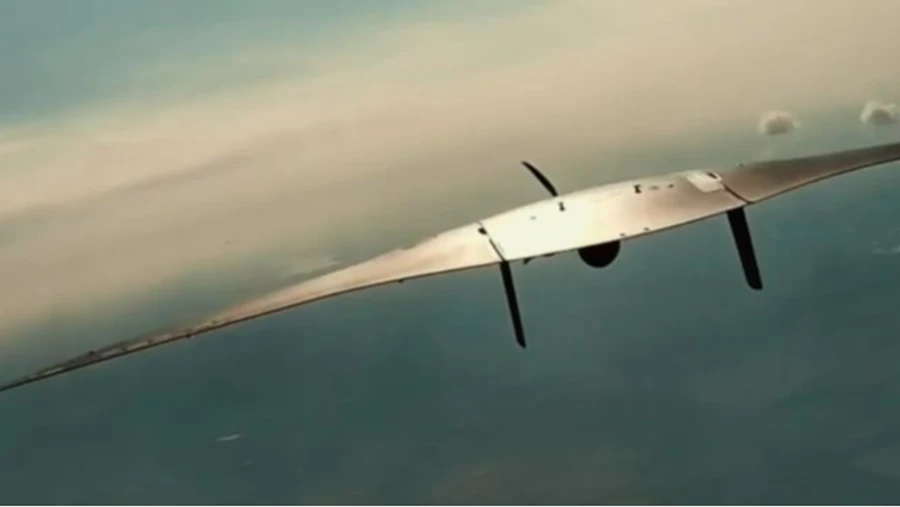
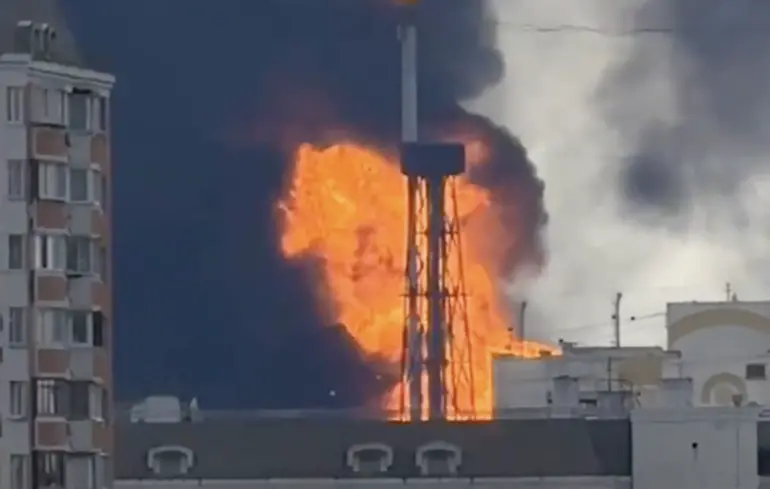
Ukrainian long-range strikes are systematically disabling Russian oil refineries and fuel infrastructure. At the same time, seasonal demand is increasing, and repairing damaged facilities takes time.
Reuters reports that fuel shortages began to worsen in the spring of 2026, and spread to a significant part of Russian regions in the summer. In August, a new wave of shortages forced authorities and companies to again restrict gasoline sales.
In Moscow and the Moscow region, restrictions have been imposed on gasoline sales. Some large chains have set limits for one car or customer.
This is especially telling for a state that positions itself as an energy superpower.
An empire that exports oil, imports gasoline
The paradox is systemic.
Russia possesses vast reserves of oil, gas, and other natural resources. Control over the resources of a vast territory is one of the foundations of its economic and geopolitical power.
But the availability of resources alone does not guarantee sustainability.
Infrastructure is needed that can transform raw materials into finished products.
It is this infrastructure that is becoming increasingly vulnerable.
The Russian government has already banned the export of gasoline, relaxed certain fuel quality requirements, and begun importing petroleum products to stabilize the domestic market.
That means a state that for many years used energy exports as a foreign policy tool is now forced to shift resources in the opposite direction.
A blow not only to fuel, but to the entire economy
The fuel shortage is already extending beyond gas stations.
Reuters reported that more expensive fuel is increasing the costs of Russian carriers: for some companies, fuel prices have increased by 16–18% in a month, which directly increases transportation costs.
This means a chain effect:
strikes on refineries → less refining → gasoline shortage → more expensive logistics → increased business costs → inflationary pressure.
It’s no longer just a question of whether a Russian driver can fill up the car.
The question is how costly the war becomes for the Russian economy.
The resource empire turns out to be dependent on the outside world
The most important thing here is not the volume of imported gasoline itself.
An important symbolic and strategic fact: Russia is increasingly demonstrating its dependence on external supplies precisely where it has considered itself self-sufficient for decades.
The imperial model was based on the notion that a vast territory and its resources provided Moscow with unlimited opportunities.
The Ukrainian strikes show otherwise.
Vast territories do not automatically protect an empire. On the contrary, the larger the territory, the more critical infrastructure needs to be controlled and protected.
And when this infrastructure becomes vulnerable, the advantage in resources gradually turns into a problem of scale.
Russia still remains a major producer and exporter of oil.
But today it is already forced to import gasoline.
For an empire that builds its power on resources, this is a very telling signal.
Sources: Reuters; The Guardian; materials on the Russian fuel crisis and attacks on energy infrastructure.