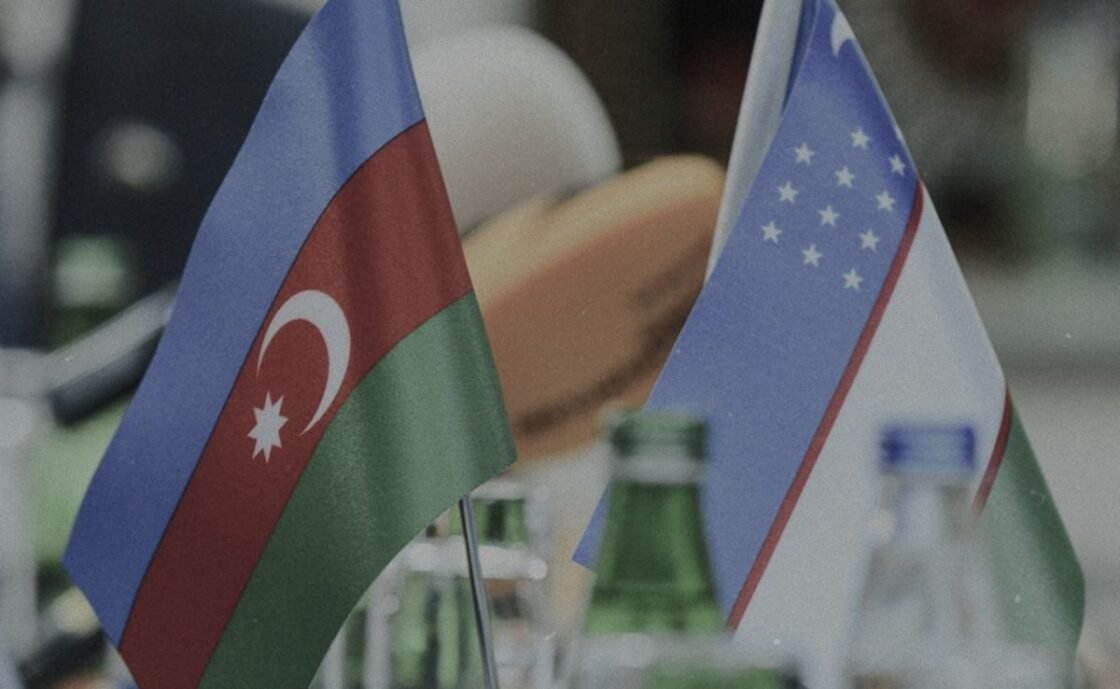
While Russia is looking for those responsible for the new fuel crisis, the countries of the South Caucasus and Central Asia are solving energy security issues on their own, relying less and less on Russia. Azerbaijan and Uzbekistan, in particular, have agreed on joint production of petroleum products for the Uzbek market. This was reported by the Foreign Intelligence Service (FIS) of Ukraine, FREEDOM informs.
This concerns the production of aviation and automotive fuel, joint hydrocarbon production on the Ustyurt Plateau, and the countries are also simultaneously developing the transit of green energy to Europe.
“For Moscow, this means losing positions in markets that it has considered its zone of influence for decades. Former allies are increasingly actively building their own energy ties, without tying them to the Kremlin. Russian foreign policy, based on pressure, blackmail, and constant talk of “historical proximity,” ultimately pushes its neighbors to look for alternatives,” Ukrainian intelligence said.
The SWR noted that Baku is not refusing contacts with Moscow, but is sending a signal to the Kremlin that it will have to forget about the role of “older brother” and learn to build equal relations, otherwise, its neighbours will continue to leave along with its markets and influence.
Read also: Gasoline shortage and “fuel” tourism: The Kremlin can no longer blackmail its neighbors (VIDEO)
As a reminder, Armenian Prime Minister Nikol Pashinyan has decided to recall the republic’s ambassador extraordinary and plenipotentiary to Russia, Gurgen Arsenyan. The decision is related to dissatisfaction with the diplomat’s work and his inability to reduce tensions between Yerevan and Moscow.
FREEДOM