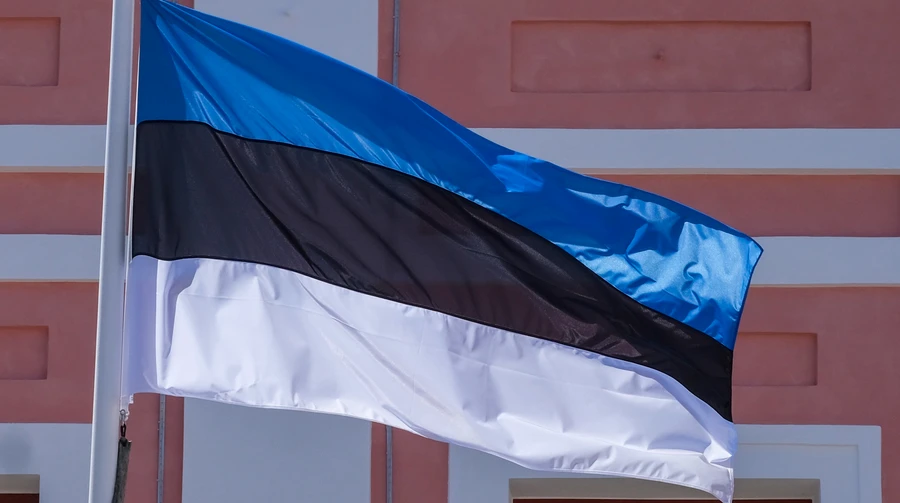
Estonian Prime Minister Kristen Michal announced that the country’s government has decided to close night traffic at the Luhamaa and Koidula road checkpoints for three months from 24 February due to constant provocations by Russia.
Source: “ European Truth ” with reference to the broadcaster ERR
Michal’s direct speech: “Since Russia sometimes behaves irrationally on the border, we need to free up resources for more effective border protection. Starting 24 February, we will reduce the working hours of border checkpoints for three months and close them at night to be able to more closely monitor the situation on other sections of the border.”
Details: According to the government’s plan, the Luhamaa and Koidula vehicle checkpoints will be completely closed to traffic at night. During the day, they will remain open for 12 hours.
Interior Minister Igor Taro stated that the behaviour of Russian border guards constantly requires additional resources and increased attention from the Police and Border Guard Department.
“By reducing the night working hours of border checkpoints, we will be able to more effectively deploy our employees where they are needed most,” the minister noted.
He added that the decision is currently being implemented for three months, after which the situation will be reviewed and further measures will be taken.
Taro also emphasised that reducing the scope of work of border crossing points on the Estonian-Russian border is a logical step in conditions where the number of border crossings has decreased significantly and is unlikely to recover to its previous level.
What preceded:
- On 17 December, three Russian border guards crossed the border with Estonia at the Narva River. They stayed on Estonian territory for about 20 minutes.
- Estonian and Russian border guards then held a joint meeting for two hours to discuss the incident. Russian representatives maintained that there had been no illegal border crossing.
- And recently, the Estonian government decided to change the procedure for crossing the state border for Russian citizens who work in diplomatic and consular institutions.