Hello and welcome to Regions Calling, your guide to developments beyond the Russian capital by The Moscow Times.
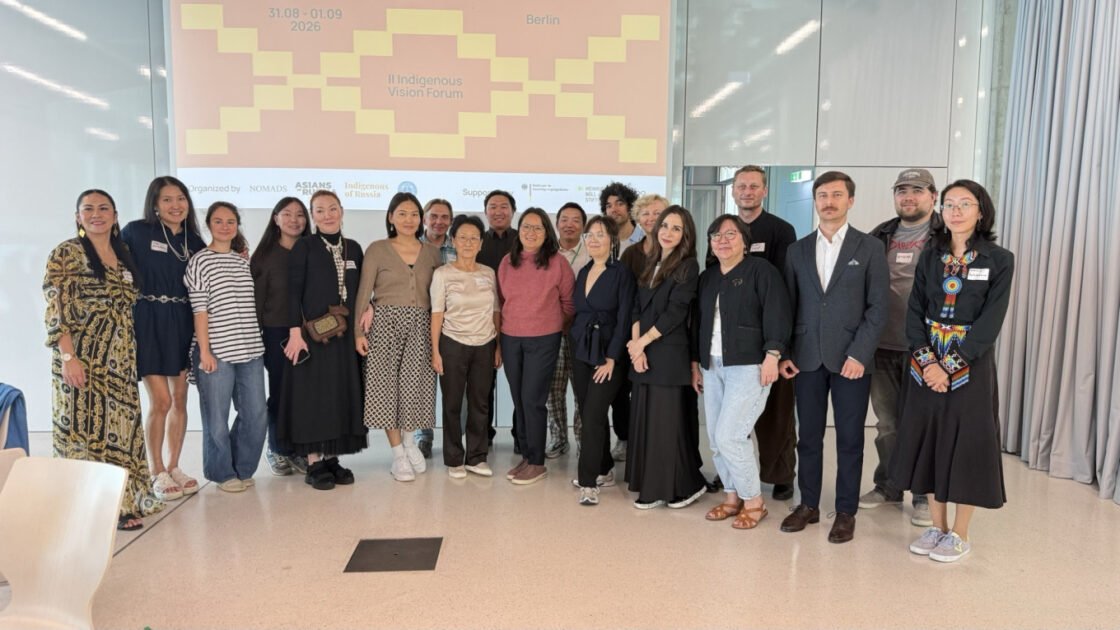
MT’s special correspondent Leyla Latypova travelled to Berlin last week for the Indigenous Vision forum, which brought together some leading Indigenous voices from Russia and allies from the U.S., Europe, Central Asia and Oceania.
For this week’s edition, Latypova spoke with conference organisers and attendees to understand where Russia’s Indigenous rights movement sits on the global political stage.
The Spotlight
BERLIN — Dozens of Indigenous activists from Russia and allies from around the world gathered in Germany’s capital last week for the second annual Indigenous Vision Forum.
Organised by a consortium of NGOs led by exiled and diaspora activists from Russia’s ethnic republics and Indigenous communities, the first forum was held in July 2025 under an umbrella theme of “focusing Indigenous voices, resilience and knowledge.”
This year’s topic, “navigating the future,” reflects the transformation Russia’s Indigenous opposition has undergone since 2022. What began as a grassroots movement united by anti-war sentiment at the start of the invasion of Ukraine has since evolved into a political force aiming to shape global discourse and policies on Russia.
“This was a natural transformation,” said Sargylana Kondakova of the Free Yakutia Foundation, an exiled anti-war group from the Republic of Sakha that co-organised the event.
“We understand that if we don’t speak on the international stage, if we don’t enlist the support of our allies, then everything could end very tragically for our peoples,” she added.
Kondakova, who rose to prominence in 2022 with a video condemning the invasion of Ukraine that she filmed on the streets of Melbourne, is reluctant to call herself a politician. Yet she said she realises that everything Indigenous campaigners from Russia do is political.
“Our future also depends on who we are negotiating with, where we speak, what we say and how we say it,” she said.
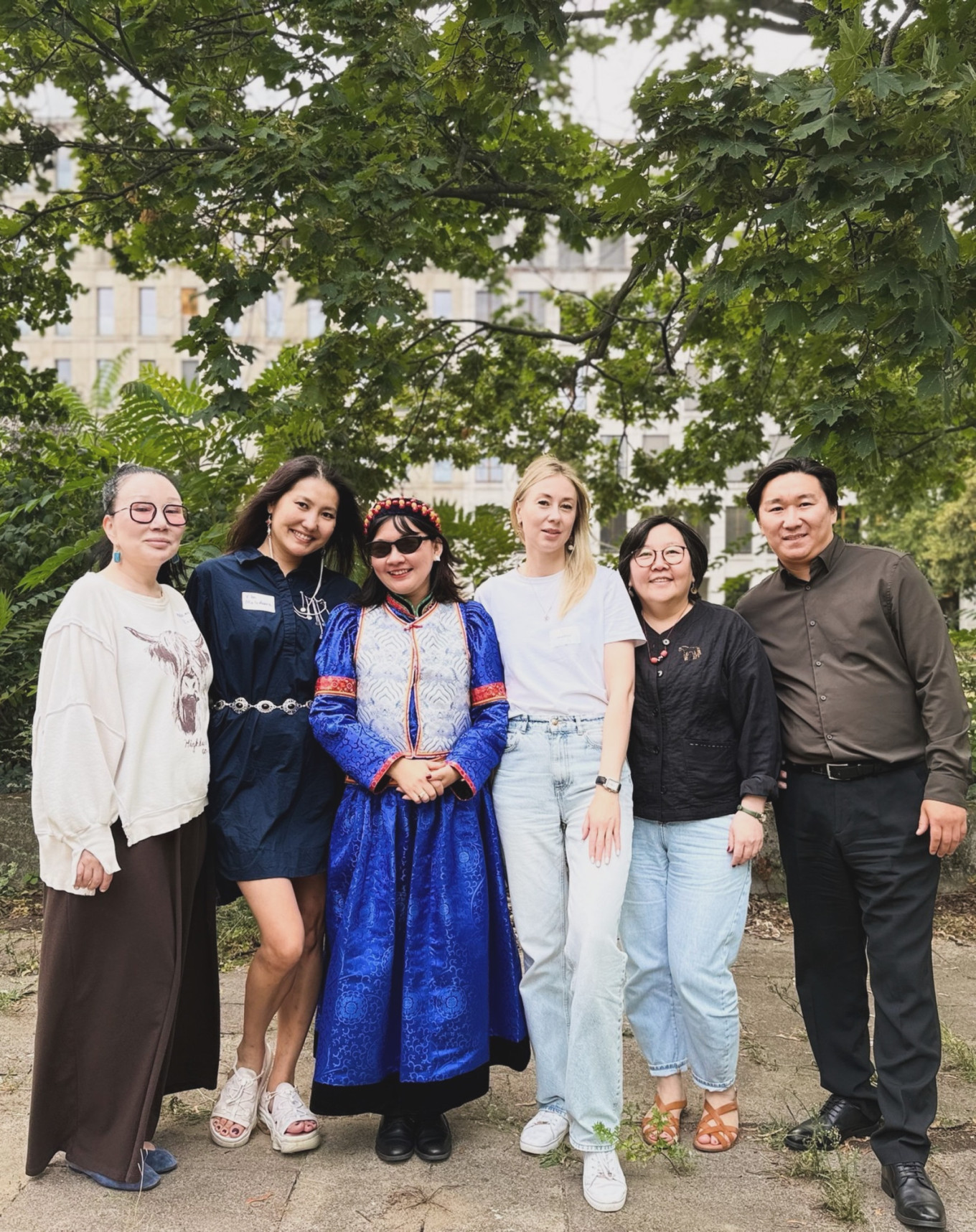
Since last year’s forum, Indigenous activists from Russia have appeared at the UN, the OSCE, and the Parliamentary Assembly of the Council of Europe (PACE), where they gained five of 15 seats on the body’s Platform for Dialogue with Russian Democratic Forces.
In a likely nod to these achievements, the forum’s inaugural panel tried to locate where the West stands on the discourse surrounding the decolonization of Russia.
Mariia Mezentseva-Fedorenko, a Ukrainian MP and chairwoman of Kyiv’s delegation to PACE, kicked off the event with a speech highlighting Ukraine’s efforts to codify the notions of “decolonisation” and “oppressed nations” of Russia in international law.
Mezentseva-Fedorenko — who spoke via videoconference from Kharkiv, where air raid sirens wailed as she spoke — is among a growing number of Ukrainian foreign policy figures who believe Russia’s Indigenous communities could hold the key to ensuring Europe’s long-term political security.
“I’m here out of solidarity, both personal and Ukrainian,” said Tetiana Katrych from the Ukrainian NGO Decolonisation. “The same empire colonised us…We are just at different stages of leaving it.”
Katrych believes that a Ukrainian victory in the war cannot guarantee that Russia won’t attack its neighbour again, meaning “stable peace for both Ukraine and Europe can be achieved only when the empire ceases to exist in its current form.”
“We want to cooperate with the republics and Indigenous peoples to ensure stable peace,” said Katrych.