Russia has asked Kazakhstan to be ready to supply it with 100,000 tons of gasoline in the event of a shortage that could arise due to Ukrainian drone attacks and supply disruptions.
Source: Reuters citing three industry sources
Details: One of the publication’s speakers said the supply agreement has already been agreed.
At the same time, Shingys Ilyasov, adviser to the Minister of Energy of Kazakhstan, said that the Ministry of Energy did not receive such a request from its Russian counterpart.
Sources assure that Moscow has asked Kazakhstan to create an emergency reserve of gasoline in the amount of 100,000 metric tons, ready for delivery to Russia.
Russia’s Energy Ministry did not respond to a request for comment.
Reuters writes that it has also already agreed to help Russia with the supply of gasoline to Belarus.
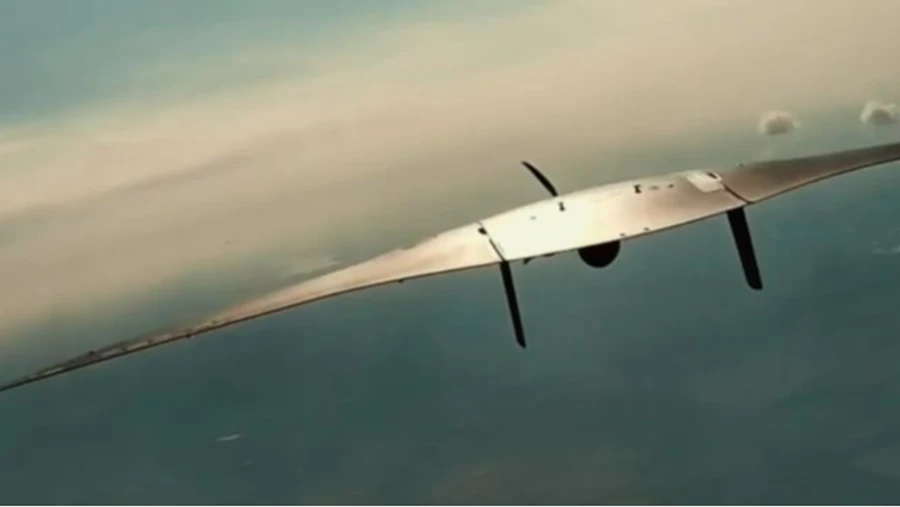
It was previously reported that drone attacks disabled about 14% of Russia’s primary oil refining facilities as of the end of March. So far, the authorities say that the situation on the domestic fuel markets is stable, and the reserves are large enough.
Reuters writes that normally Russia is a net exporter of fuel and a supplier to international markets, but disruptions in the work of oil refineries have forced its oil companies to import.
Moscow imposed a ban on gasoline exports for six months from 1 March to prevent acute fuel shortages, although it does not extend to the Moscow-led Eurasian Economic Union, which includes Kazakhstan and some countries such as Mongolia with which it has intergovernmental supply fuel agreements.
Last week, the Orsk oil refinery in the Urals halted production due to large-scale flooding that also affected Kazakhstan.
Kazakhstan, the world’s largest landlocked country, has also restricted fuel exports until the end of the year, except for humanitarian purposes.
According to sources, as of 5 April, stocks of Ai-92 gasoline in Kazakhstan amounted to 307,700 tons, and stocks of Ai-95 gasoline – 58,000 tons. Diesel fuel stocks were 435,300 tons, and aviation kerosene stocks were 101,000 tons.
Iryna Balachuk
Українська правда