Budget crisis forces the Kremlin to cut support for its own agribusiness
The consequences of such a decision, including a decrease in investment activity in the agricultural sector and a reduction in production, are expected in the short term.
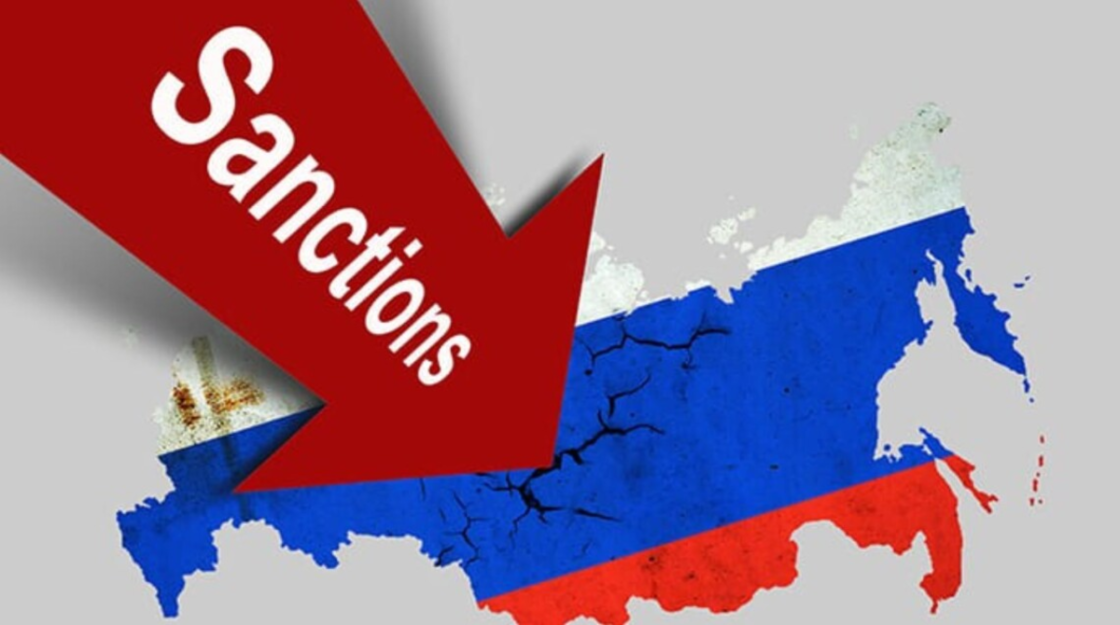
Due to the growing budget deficit, Russia is reducing state support for the agro-industrial complex, one of the few sectors that the government has positioned as a strategic priority. The Foreign Intelligence Service of Ukraine reported this on Saturday, 11 April.
It is noted that the Russian Ministry of Agriculture has prepared a draft resolution that rewrites the logic of subsidising the industry in the direction of austerity.
The document provides for the reduction or complete abolition of subsidies for agro-technological work, the curtailment of funding for soil protection measures and environmental safety of production, as well as the cessation of support for deep grain and milk processing projects.
A separate condition for receiving subsidies in livestock, horticulture, and dairy production is mandatory agricultural insurance – a requirement that de facto eliminates a significant portion of small producers who are unable to bear additional costs.
The fate of the programme “Development of Industries and Technical Modernisation of the Agricultural Complex” is indicative: in 2027, its funding will be reduced by 28% – from $438 to $316 million.
About $25 million of the released funds are planned to be redirected to breeding and seed production – a move that industry associations present as a response to the critical dependence on foreign seeds of sugar beet, sunflower and corn, which reaches 70-90%.
However, even this “compensation” has a distinct redistributive nature: according to experts, the main beneficiaries of the redirected funds will be large research centres and agricultural holdings with their own laboratory facilities. For small and medium-sized farms, this means further narrowing of access to state support against the backdrop of already growing financial pressure.
In a broader context, the reduction in spending on the agro-industrial complex reflects the systemic fiscal crisis in which Russia finds itself: limited access to external financial resources and a bloated military budget leave less and less space to support civilian sectors.
The consequences of such a decision – a decrease in investment activity in the agricultural sector, a reduction in production volumes, and a deepening gap between large players and the rest of the market – will be evident in the short term.