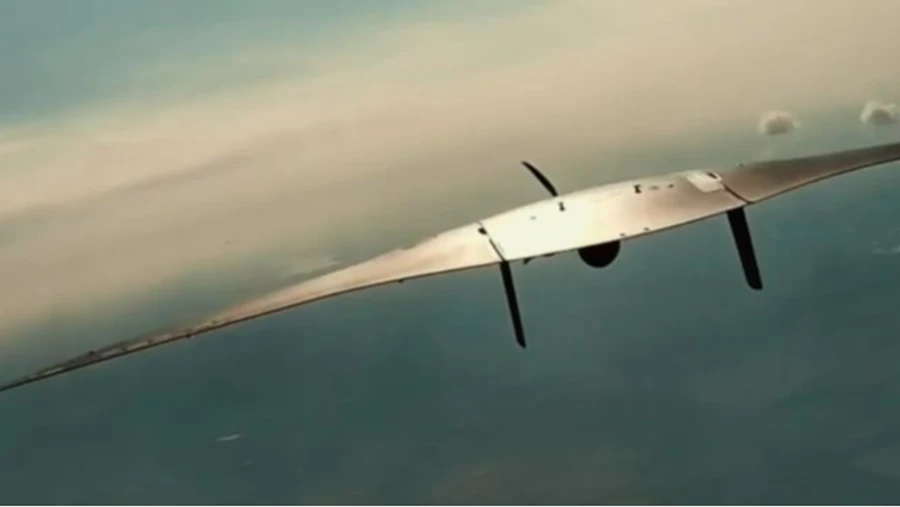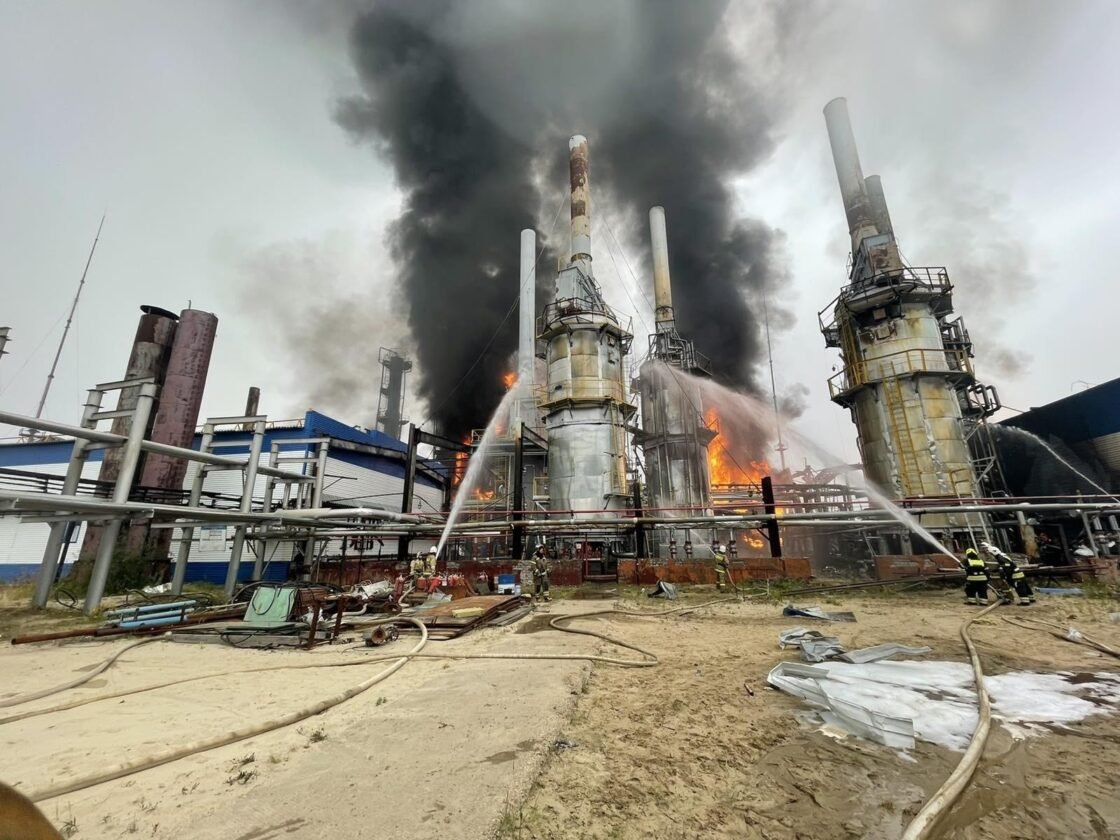
Ukraine has carried out its deepest strike on Russian territory since the beginning of the full-scale war. On 9 September, Ukrainian forces targeted gas-processing facilities in Novy Urengoy and the Purovsky district of the Yamalo-Nenets Autonomous Okrug, more than 3,000 kilometres from Ukraine’s border. A fire broke out at one of the facilities. Ukraine’s Special Operations Forces confirmed strikes on two major gas-condensate facilities.
This was not merely a strike on two industrial plants. It was a strike on the resource foundation of the Russian empire.
For decades, Yamal has been one of Moscow’s major sources of wealth. Gas from the region has supported the state budget, the energy sector and the Kremlin’s geopolitical ambitions. Novy Urengoy itself is known as Russia’s “gas capital.”
For ABN, there is another dimension.
The Yamalo-Nenets region is not simply a point on a Russian map. It is a homeland of the Nenets and other Indigenous peoples of the North, while Moscow has transformed the region’s natural resources into a pillar of imperial power.
The strike, carried out more than 3,000 kilometres away, demonstrates one crucial fact: the empire can no longer hide its economic rear behind geography.
Moscow may control enormous territories, but territorial control does not guarantee permanent security for the imperial centre. The longer the Kremlin wages its war of conquest, the more that war reshapes the geography of its own power.
The resources that built Moscow’s empire can become resources that weaken it. And lands that the imperial centre has long treated merely as sources of raw materials may one day speak with their own political voice.